
Architectural Benefits of Custom Garage Doors
Beyond their functional role, custom garage doors are pivotal elements in your home’s exterior design, offering bespoke finishes that can dramatically enhance facade harmony and overall home elevation. They are an investment in curb appeal, transforming a utilitarian space into a statement of architectural style. From rustic charm to sleek modernity, a custom garage door can complement your home’s existing aesthetic or even redefine it, significantly impacting how your property is perceived and valued.
Designing Custom Garage Doors for Curb Appeal
When considering a custom garage door, the design possibilities are vast, allowing for true personalization. Homeowners can choose from a variety of styles, including classic carriage styles that evoke a timeless elegance, contemporary glass panels for a minimalist and sophisticated look, or flush panels that offer a seamless and understated aesthetic. Decorative hardware, such as hinges, handles, and clavos, can further refine the door’s appearance, adding character and depth. Additionally, incorporating design elements that allow for natural lighting, such as frosted glass inserts or strategically placed windows, can brighten your garage interior and create a welcoming glow from the exterior. We believe that every detail contributes to the overall architectural narrative of your home.
Material Selections and Energy Efficiency
The choice of material for your custom garage door is critical, influencing not only its appearance but also its durability, maintenance requirements, and energy efficiency. Natural timber offers unparalleled warmth and character, with options like cedar, redwood, or mahogany providing rich textures and tones. Insulated steel doors are a popular choice for their strength, low maintenance, and excellent thermal properties. For those seeking a blend of aesthetics and resilience, composite overlays can mimic the look of wood without the associated upkeep, while offering superior resistance to rot and pests.
To maximize energy efficiency, we often recommend doors with thermal breaks and high R-value insulation. These features are crucial for maintaining a stable temperature within your garage, which can, in turn, impact the energy consumption of your entire home, especially if the garage is attached or climate-controlled. Understanding the performance of different materials is key to making an informed decision that benefits both your home’s appearance and its operational costs.
Engineering and Motor Compatibility for Custom Overhead Doors
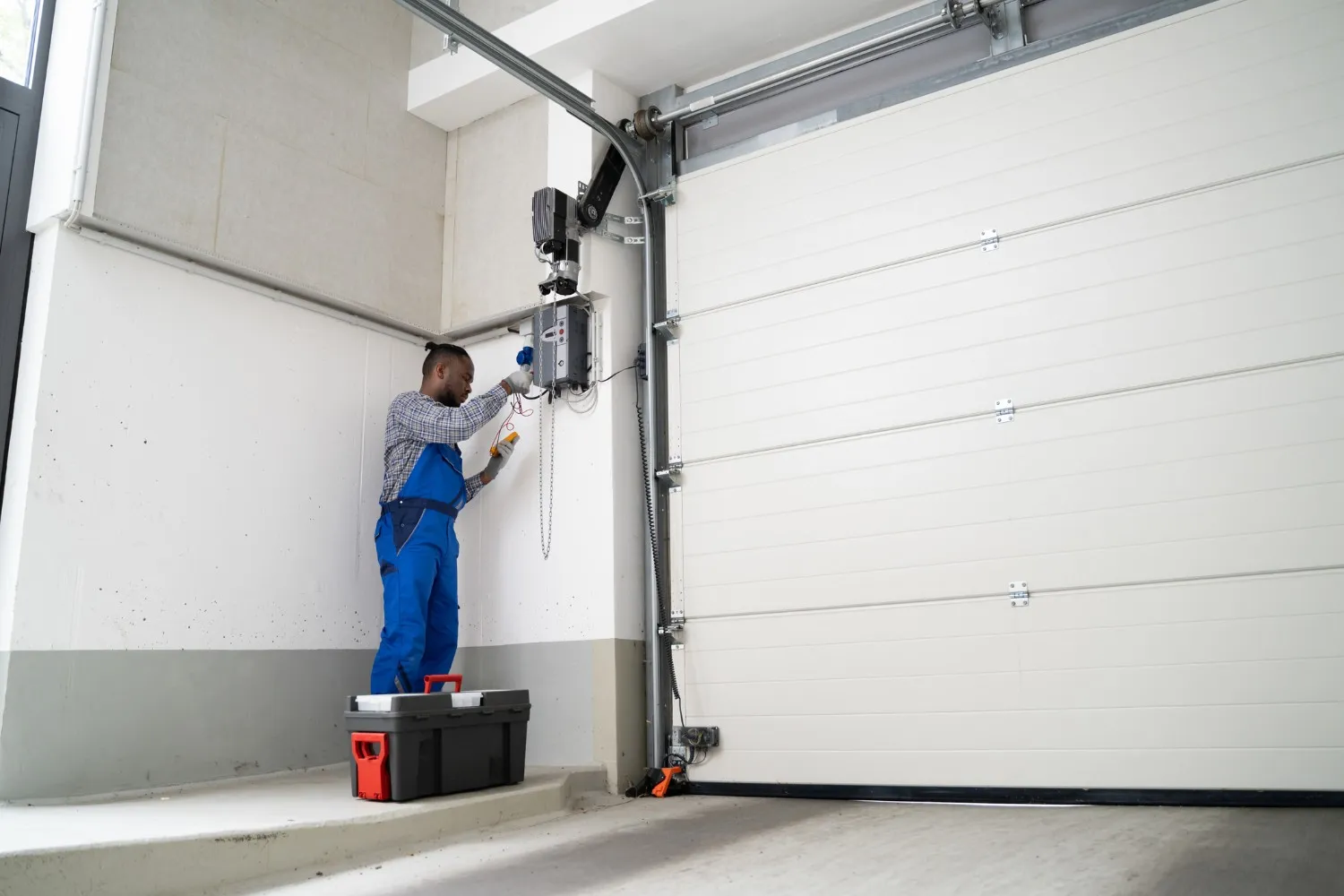
The grandeur and unique design of a custom garage door often come with increased weight and specific operational requirements. This necessitates careful engineering to ensure seamless functionality and longevity. Key considerations include precise spring tension, robust drive mechanisms, accurate motor calibration, and adequate structural reinforcement. These elements work in concert to provide the smooth, reliable operation you expect from a high-quality entryway, whether it’s a heavy solid wood door or a multi-panel glass design.
Balancing Weight and Opener Horsepower Requirements
The weight of a custom garage door, particularly those made from natural timber or featuring extensive glass, is a primary factor in determining the appropriate opener system. Torsion springs play a crucial role, counterbalancing the door’s weight to allow for smooth manual and automatic operation. Properly calibrated springs reduce the strain on the garage door opener, extending its lifespan. When it comes to the opener itself, DC motors are often preferred for their quiet operation and soft start/stop capabilities, which are ideal for heavier doors.
Selecting the correct horsepower sizing for your opener is paramount. An underpowered motor will struggle to lift a heavy door, leading to premature wear and potential failure, while an overpowered one may not be necessary and could be an overinvestment. For homeowners seeking an elegant and functional entryway, understanding the intricate relationship between door weight, spring tension, and opener specifications is vital. This ensures that your beautiful custom garage doors operate flawlessly for years to come, minimizing the chances of unexpected motor failure that would require urgent repair.
Safety Features and Smart Integration in Custom Garage Doors
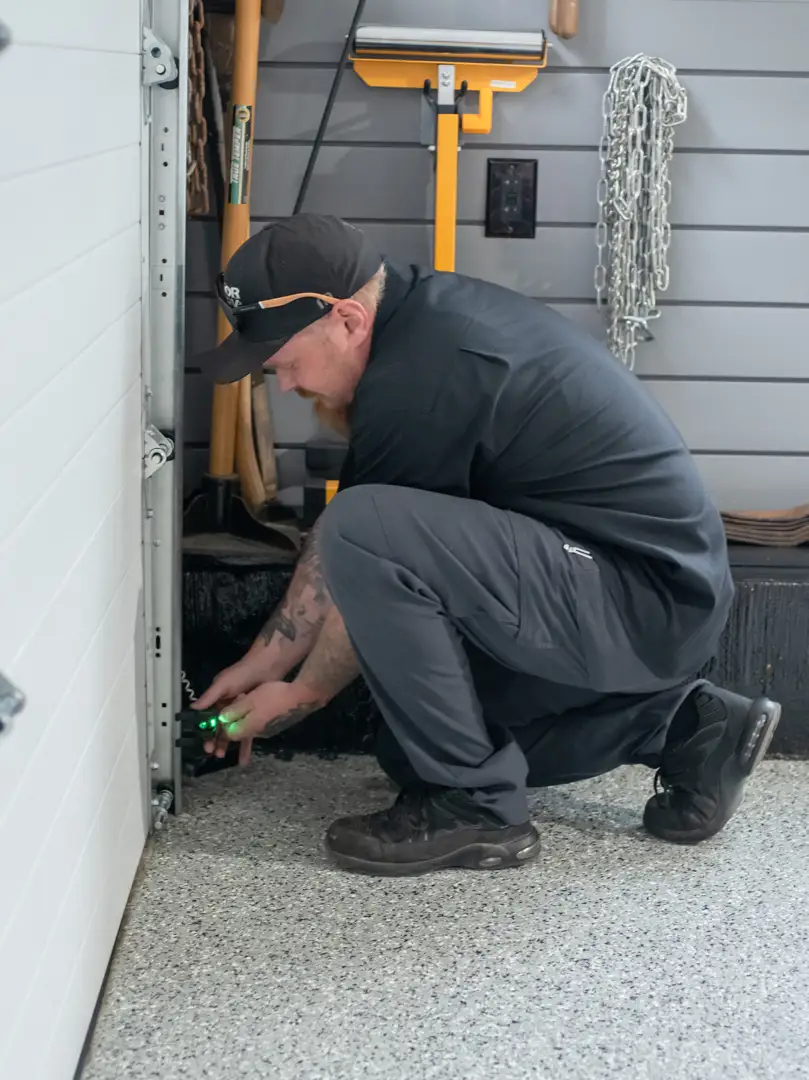
Modern garage door systems, especially those for custom installations, are equipped with advanced safety features designed to protect people and property. Photoelectric sensors, positioned near the bottom of the door tracks, detect obstructions in the door’s path, triggering an auto-reverse mechanism to prevent accidents. This is a non-negotiable safety standard for all garage doors.
Beyond essential safety, smart integration has revolutionized garage door operation. Smart openers allow for remote monitoring and control via smartphone apps, enabling you to open or close your door from anywhere, receive notifications, and even grant temporary access to visitors. Battery backup systems are also a critical feature, ensuring your garage door remains operational during power outages, a vital consideration for emergency access or security. We ensure that these intelligent systems are seamlessly integrated, offering both convenience and enhanced security for your custom entryway.
Maintenance and Long-Term Performance of Bespoke Entryways
Ensuring the longevity and optimal performance of your bespoke garage door requires a commitment to regular maintenance. Just like any complex mechanical system, consistent care can prevent unexpected breakdowns, including motor failure, and preserve the aesthetic appeal of your custom entryway. Routine care involves more than just visual inspection; it includes balance testing, checking weather seals, and ensuring the longevity of all hardware components.
Preventative Motor and Spring Inspections
Preventative maintenance is the cornerstone of avoiding sudden garage door motor failure, especially for custom, often heavier, doors. Our comprehensive inspections typically involve lubricating all moving parts, including hinges, rollers, and bearings, to reduce friction and wear. We pay close attention to the motor’s gear inspection, looking for any signs of wear or damage that could indicate an impending issue. Crucially, spring tension verification is performed to ensure the springs are correctly balanced to the door’s weight, which directly impacts the motor’s workload. An improperly balanced door can place excessive stress on the motor, leading to premature failure.
Here is a list of essential preventative maintenance checks we perform:
- Lubrication of Moving Parts: Applying appropriate lubricant to hinges, rollers, and springs.
- Spring Tension Assessment: Verifying that springs are correctly tensioned for the door’s weight.
- Motor Gear and Drive Mechanism Inspection: Checking for wear, damage, or unusual noises.
- Track Alignment Check: Ensuring tracks are plumb, level, and free of obstructions.
- Roller Condition Evaluation: Inspecting rollers for wear, cracks, or flat spots.
- Weather Seal Integrity: Checking bottom and side seals for damage or gaps.
- Safety Sensor Testing: Confirming proper function of photoelectric safety sensors.
- Manual Release Mechanism Test: Ensuring the emergency release cord works correctly.
- Fastener Tightness: Checking that all nuts, bolts, and screws are secure.
Troubleshooting Common Hardware and Sensor Issues
Even with regular maintenance, minor issues can arise. Understanding basic troubleshooting can help you identify problems early or provide crucial information to a repair technician. Common hardware issues include track alignment problems, which can cause the door to bind or operate unevenly. Sensor diagnostics involve checking if the photoelectric sensors are properly aligned and free of obstructions; a blinking light often indicates a misalignment. If your garage door motor fails, knowing how to use the manual release cord to disengage the door from the opener is vital for temporary access or security. Additionally, addressing excessive vibration can often prevent more serious mechanical problems down the line. While some minor adjustments can be made by a homeowner, we always recommend professional assessment for anything beyond simple cleaning or alignment checks to ensure safety and proper function.
Frequently Asked Questions About Custom Garage Door Installations
We frequently encounter questions from homeowners considering custom garage door installations. These inquiries often revolve around the practicalities of design, installation timelines, motor specifications, and the long-term value proposition. We aim to provide clear, comprehensive answers to help you make informed decisions about enhancing your home’s entryway.
How Long Does It Take to Build and Install a Custom Garage Door?
The timeline for a custom garage door installation can vary significantly based on the complexity of the design, the chosen materials, and the manufacturer’s fabrication lead times. Typically, after initial consultation and design finalization, the fabrication process can take several weeks, sometimes extending to a few months for highly specialized or unique designs. Precision measurement is a critical first step, ensuring the custom door fits perfectly into your existing opening. Once the door is fabricated, the professional fitting and installation schedule usually takes one to two days, depending on the scope of work, including the installation of new tracks, springs, and the garage door opener. We prioritize clear communication throughout this process, keeping you informed from design to completion.
What Motor Specifications Are Needed for Heavy Wood or Glass Doors?
For heavy custom doors made from materials like solid wood or extensive glass, specific motor specifications are essential to ensure reliable and safe operation. We generally recommend openers with higher motor torque and robust drive mechanisms. Belt drive openers are often preferred for their quiet operation and smooth performance, making them an excellent choice for attached garages where noise is a concern. Direct drive motors, which are mounted directly on the torsion bar, offer a powerful and space-saving solution.
The horsepower ratings are a key indicator of an opener’s capacity. For standard double garage doors, a 1/2 HP motor might suffice, but for heavier custom doors, 3/4 HP or even 1 HP motors are often necessary. In some cases, specialized heavy-duty openers designed for commercial applications might be adapted for exceptionally large or weighty residential custom doors. We always assess the specific weight and dimensions of your custom door to recommend the most appropriate and durable opener system, ensuring it can handle the load efficiently and reliably, minimizing the risk of motor failure.
How Do Custom Doors Improve Property Resale Value?
Investing in a custom garage door can significantly improve your property’s resale value, offering a strong return on investment (ROI). A visually appealing and well-functioning custom garage door instantly boosts curb appeal, making a strong first impression on potential buyers. This enhanced aesthetic often translates into higher buyer perception of the home’s overall quality and maintenance.
Beyond aesthetics, custom doors, especially those with superior insulation, contribute to the home’s thermal efficiency, which is a desirable feature for energy-conscious buyers. An exterior upgrade of this magnitude signals to buyers that the home has been meticulously cared for and thoughtfully improved. In a competitive housing market, a distinctive and high-quality custom garage door can differentiate your property, potentially leading to a quicker sale and a higher selling price. It’s an investment that pays dividends in both daily enjoyment and future financial returns.
Conclusion
Transforming your entryway with custom garage door solutions is an investment that transcends mere functionality. It’s about achieving architectural transformation, enhancing your home’s aesthetic appeal, and ensuring long-term durability and performance optimization. From the initial design phase to the precision engineering of motor compatibility and the implementation of advanced safety features, every aspect contributes to a superior entryway experience.
While the beauty and bespoke nature of custom doors are undeniable, we also recognize the importance of their reliable operation. Understanding the intricacies of spring tension, motor calibration, and preventative maintenance is crucial for sustaining peak performance and avoiding unexpected motor failures. Should an issue arise, especially outside of normal business hours, knowing that expert 24-hour garage door motor failure repair services are available in Winchester, VA, provides invaluable peace of mind. By combining thoughtful design with meticulous care and professional support, we ensure your custom garage door remains a source of pride and convenience for years to come.