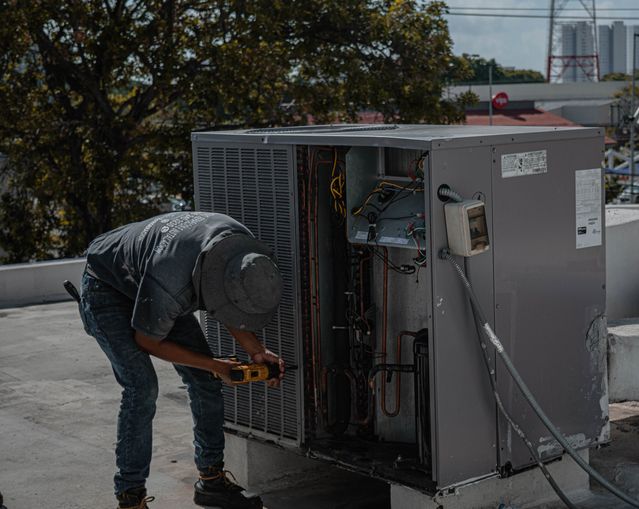
Beyond simply cooling your home, a well-functioning air conditioning system is integral to overall residential comfort, energy management, and even indoor air quality. In Millcreek, UT, where temperatures can swing dramatically between seasons, an efficient AC system is not just a luxury but a necessity for maintaining a comfortable living environment year-round. We understand that homeowners seek not only thermal comfort but also system longevity and optimal energy performance from their HVAC investments. When considering AC installation or replacement, it’s essential to look at the bigger picture of comprehensive heating and cooling services. A new system, expertly selected and installed, can dramatically reduce energy consumption, improve air filtration, and provide consistent temperatures throughout your home. For a deeper understanding of what to expect from professional AC services in our area, you might find our comprehensive guide to AC installation in Millcreek, UT, particularly helpful.
Assessing System Lifespan and Early Warning Signs
Recognizing the signs that your current AC system is nearing the end of its life or is performing inefficiently is the first step toward ensuring uninterrupted home comfort. Most air conditioning units are designed to last between 10 to 15 years. As they age, their efficiency naturally declines, and the likelihood of costly repairs increases.
Here are the most common indicators that suggest it might be time to consider AC installation or replacement:
- Persistent Noises: While all AC units make some noise, grinding, squealing, banging, or clanking sounds often signal worn-out parts, a failing motor, or other significant mechanical issues.
- Uneven Airflow or Hot Spots: If some rooms in your Millcreek home are consistently warmer than others, or if the airflow from vents is weak, it could indicate ductwork problems, a failing blower motor, or an undersized unit struggling to meet the demand.
- Escalating Utility Bills: A sudden and unexplained spike in your energy bills, especially during peak cooling months, is a strong sign that your AC system is working harder and less efficiently to cool your home. This inefficiency directly translates to higher operational costs.
- Frequent Cycling: An AC unit that constantly turns on and off (short-cycling) is not only inefficient but also puts undue stress on its components, leading to premature wear and tear. This often points to an improperly sized unit or a refrigerant issue.
- Refrigerant Leaks: If you notice ice on your refrigerant lines or hear a hissing sound, you might have a refrigerant leak. Beyond being an environmental concern, low refrigerant levels severely impair cooling capacity and can damage the compressor.
- Poor Indoor Air Quality: An old or failing system may struggle to properly filter air, leading to increased dust, allergens, and humidity indoors.
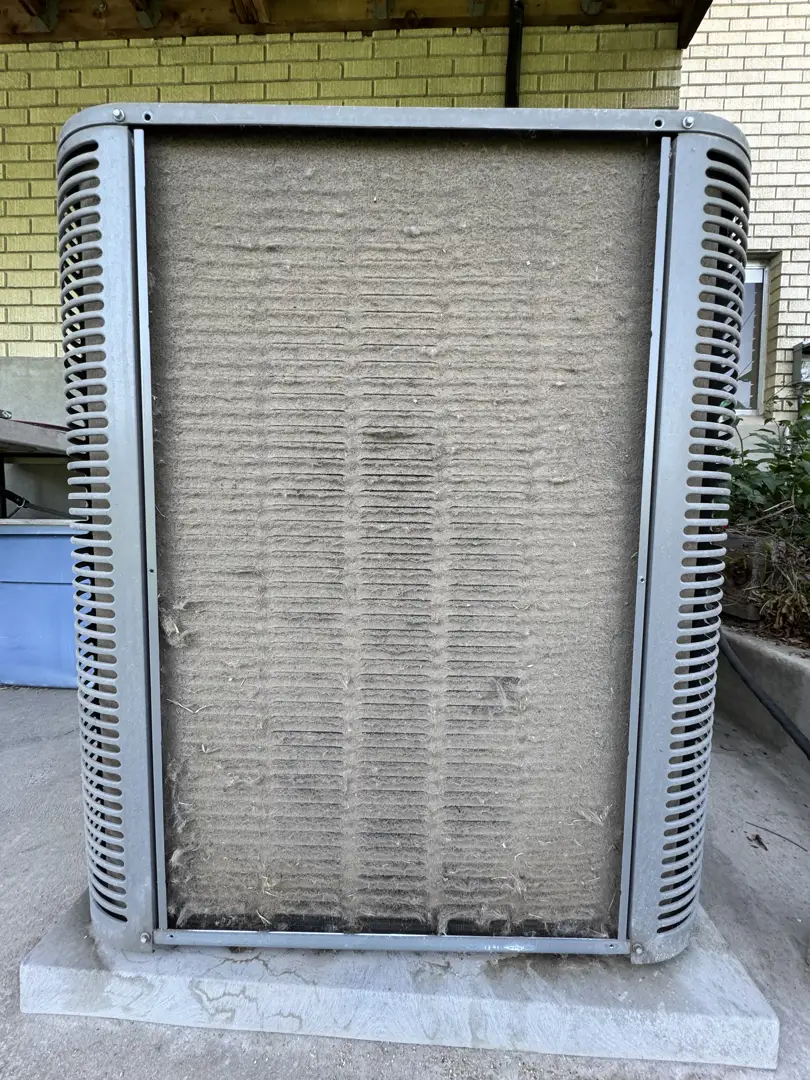
Addressing these warning signs promptly can prevent a complete system breakdown, especially during Millcreek’s hottest summer days, and allow for a planned, rather than emergency, replacement.
Climate Challenges and Seasonal Temperature Extremes
Millcreek, UT, experiences a diverse climate with distinct seasonal fluctuations that significantly impact AC system requirements and efficiency. Our summers are typically hot and dry, with daytime temperatures frequently soaring into the 90s Fahrenheit (30s Celsius) and occasionally exceeding 100°F (38°C). This extreme heat places a substantial demand on cooling systems, necessitating units that can efficiently handle high heat loads. Conversely, winters bring freezing temperatures, often dropping well below freezing, which means many homeowners also rely on their HVAC system for heating.
The significant temperature differential between seasons means that a comprehensive understanding of heat load calculation for your home is paramount. Factors such as insulation levels, window types, home orientation, and even the number of occupants play a role in determining the ideal AC capacity. High indoor humidity, while less prevalent than in more humid climates, can still be an issue that an efficient AC system helps to mitigate, contributing to both comfort and air quality. Choosing an AC system that is well-suited to these extremes ensures optimal performance, energy efficiency, and consistent comfort throughout the year, regardless of what Millcreek’s weather brings.
Key Considerations for Choosing an HVAC System and Provider
Selecting a new AC system and the right installation company in Millcreek, UT, is a significant decision that impacts your home’s comfort, energy bills, and overall value for years to come. It requires careful consideration of various factors, from the technical specifications of the equipment to the reliability and reputation of the service provider. We emphasize the importance of partnering with a company that demonstrates expertise, transparency, and a commitment to customer satisfaction. For detailed insights into making an informed choice for your home’s climate control, exploring a guide on choosing the right HVAC system for Millcreek homes can be incredibly beneficial.
Selecting Professional Residential HVAC Services for Proper System Sizing
One of the most critical aspects of AC installation is proper system sizing. An AC unit that is too small will struggle to cool your home effectively, leading to constant operation, increased wear, and high energy bills. Conversely, an oversized unit will “short-cycle,” meaning it cools the space too quickly and shuts off before it can adequately remove humidity, resulting in a clammy, uncomfortable environment and inefficient operation.
Professional residential HVAC services will always begin with a thorough load calculation, typically using industry-standard Manual J calculations. This process considers:
- Home Square Footage: The total area to be cooled.
- Ceiling Height: Taller ceilings mean a larger volume of air to condition.
- Insulation Levels: The R-value of walls, ceilings, and floors.
- Window and Door Quality/Placement: Energy-efficient windows and proper sealing reduce heat gain.
- Home Orientation: The direction your home faces relative to the sun.
- Occupancy and Heat-Generating Appliances: The number of people and heat sources within the home.
- Ductwork Integrity: Ensuring ducts are properly sealed and sized to distribute air efficiently.
Accurate sizing prevents the risks of short-cycling, ensures optimal energy efficiency, and provides consistent comfort throughout your Millcreek home.
Evaluating Equipment Types, Warranties, and Local Permitting
When it comes to the types of air conditioning systems best suited for homes in Millcreek, UT, central air conditioners and heat pumps are the most common and efficient options.
- Central Air Conditioners: These systems use a split design with an outdoor compressor/condenser unit and an indoor evaporator coil, typically integrated with your furnace. They are highly effective at cooling large spaces.
- Heat Pumps: A versatile option, heat pumps can both heat and cool your home. In cooling mode, they operate like an AC, moving heat out of your home. In heating mode, they reverse the process, extracting heat from the outdoor air (even in cold temperatures) and transferring it indoors. This dual functionality can offer significant energy savings, especially in Millcreek’s climate where heating needs are also substantial.
When evaluating equipment, pay close attention to the SEER2 (Seasonal Energy Efficiency Ratio 2) rating. This updated metric provides a more accurate representation of an AC unit’s energy efficiency over an entire cooling season. Higher SEER2 ratings indicate greater efficiency and lower operating costs.
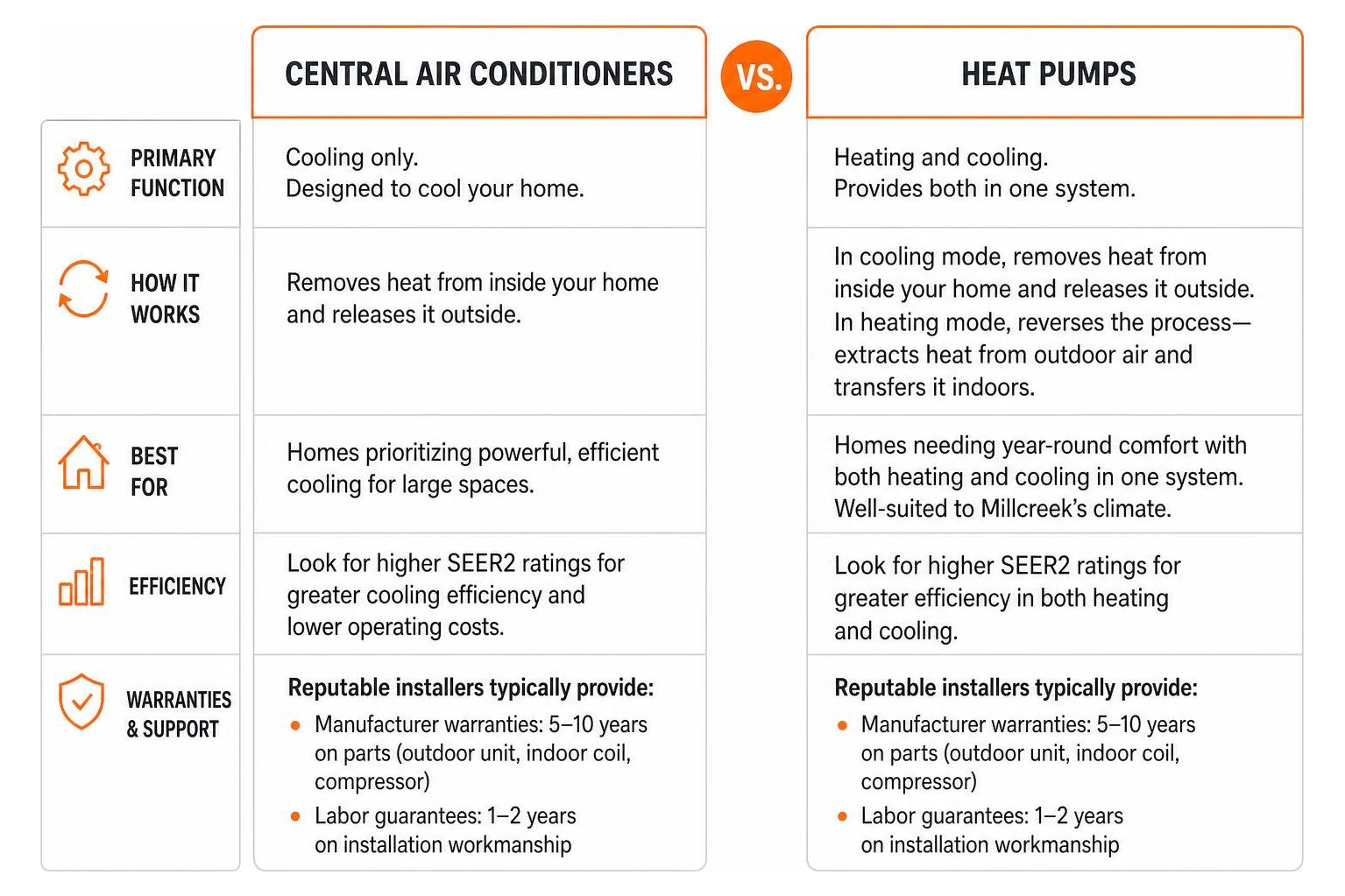
Beyond the equipment itself, robust warranties and post-installation support are crucial. Reputable Millcreek AC companies typically offer:
- Manufacturer Warranties: Covering parts for the outdoor unit, indoor coil, and compressor, often ranging from 5 to 10 years.
- Labor Guarantees: Reputable installers will back their workmanship with a labor warranty, usually for 1 to 2 years, covering any issues related to the installation itself.
Finally, navigating local building codes and securing necessary permits is a vital step in AC installation. In Millcreek, as in other municipalities, permits ensure that the installation adheres to safety standards and local regulations. A professional installation company will handle all permit applications and ensure compliance, potentially also informing you about any available energy efficiency incentives or rebates from local utilities or government programs that could offset installation costs.
The System Installation and Replacement Process
A professional AC installation is a meticulous process that ensures your new system operates at peak efficiency and provides lasting comfort. It’s more than just swapping out old equipment; it involves careful planning, precise execution, and adherence to safety and building standards. We recognize that homeowners want to understand what to expect, and a clear overview of the process can alleviate concerns and highlight the value of expert service.
What to Expect During Installation Day
A standard AC installation or replacement typically takes one to two days, depending on the complexity of the job, whether ductwork modifications are needed, and the type of system being installed. Here’s a general overview of the process:
- Site Preparation: Technicians will protect your home with drop cloths and ensure the work area is clear.
- Old Unit Removal: The existing AC unit, including the outdoor condenser and indoor evaporator coil, will be carefully disconnected and removed. This includes safely recovering any refrigerant.
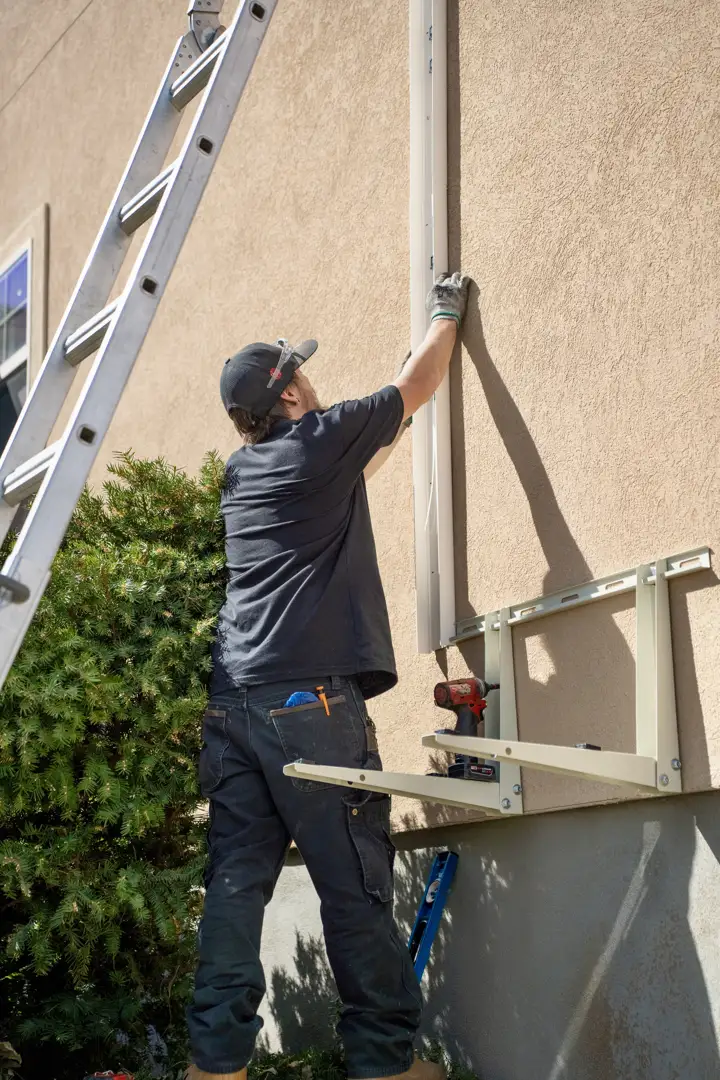
- New Unit Placement: The new outdoor condenser unit will be positioned on a level pad, and the new indoor coil will be installed within your furnace or air handler.
- Electrical Connections: Licensed electricians will ensure the new unit is properly wired to your home’s electrical system, adhering to all local codes.
- Refrigerant Lines: New or existing refrigerant lines will be connected, purged of air, and charged with the appropriate amount of refrigerant.
- Ductwork Assessment and Sealing: Technicians will inspect your existing ductwork for leaks or inefficiencies and make necessary repairs or sealing to ensure optimal airflow.
- System Commissioning: Once installed, the system will be thoroughly tested to ensure proper operation, including checking refrigerant levels, airflow, and thermostat functionality.
- Smart Thermostat Setup: If a new smart thermostat is part of the installation, technicians will install and configure it, demonstrating its features and programming options.
- Cleanup and Walkthrough: The work area will be cleaned, and technicians will walk you through the new system’s operation, maintenance requirements, and warranty information.
Throughout the process, safety protocols are strictly followed to protect both the technicians and your home.
Maximizing Efficiency Through Specialized Residential HVAC Services
Beyond the basic installation, specialized residential HVAC services can significantly enhance the efficiency and performance of your new AC system. These advanced techniques and components ensure that your Millcreek home receives the highest level of comfort and energy savings:
- Airflow Balancing: Proper airflow balancing ensures that conditioned air is evenly distributed throughout your home, eliminating hot and cold spots and optimizing comfort.
- Multi-Stage Compressors: Unlike single-stage compressors that are either “on” or “off,” multi-stage compressors can operate at different capacities (e.g., 70% or 100%). This allows them to run for longer periods at lower capacities, which is more efficient for maintaining temperature and removing humidity.
- Variable-Speed Motors: Found in both indoor blowers and outdoor fan units, variable-speed motors can precisely adjust their speed to match the cooling demand. This results in quieter operation, improved dehumidification, and greater energy efficiency compared to single-speed motors.
- Zoning Controls: For larger homes or those with diverse cooling needs in different areas, zoning systems allow you to create separate temperature zones. Each zone can be controlled independently, preventing overcooling or overheating in unused areas and saving energy.
By incorporating these specialized features, a new AC installation can provide superior comfort and long-term energy savings tailored to the unique demands of your Millcreek home.
Best Practices for Long-Term HVAC Maintenance and Air Quality
Investing in a new AC system is a significant step toward year-round comfort and energy efficiency in your Millcreek home. However, the longevity and optimal performance of this investment depend heavily on consistent, proactive maintenance. Proper care not only extends the life of your unit but also ensures it continues to deliver clean, healthy air and operates at peak energy efficiency. We cannot overstate the importance of a diligent maintenance routine, especially given Millcreek’s seasonal climate variations. For comprehensive guidance on keeping your system in top shape, exploring detailed AC maintenance tips for Millcreek homeowners can provide invaluable insights.
Here are essential maintenance tips to extend the life of your newly installed AC system and improve indoor air quality in Millcreek’s environment:
- Regular Filter Changes: This is perhaps the simplest yet most crucial maintenance task. Air filters should be checked monthly and replaced every 1 to 3 months, or more frequently if you have pets, allergies, or a dusty environment. A clean filter ensures optimal airflow, protects internal components from dust buildup, and significantly improves indoor air quality by trapping allergens and particulates.
- Seasonal Tune-Ups: Schedule professional maintenance appointments annually, typically in the spring before the cooling season begins. A certified technician will inspect, clean, and tune up your system, checking refrigerant levels, electrical connections, moving parts, and overall performance. This preventative measure helps identify potential issues early, prevents breakdowns, and maintains efficiency.
- Evaporator Coil Cleaning: The indoor evaporator coil absorbs heat from your home’s air. Over time, it can accumulate dirt and grime, which reduces its ability to absorb heat efficiently. Professional cleaning during seasonal tune-ups is vital for maintaining cooling capacity and energy efficiency.
- Condensate Drain Line Maintenance: The condensate drain line removes moisture (condensate) from your AC system. If it becomes clogged with algae or debris, water can back up, leading to leaks, water damage, and increased humidity. Regularly flushing the line with a vinegar solution can prevent clogs.
- Outdoor Unit Cleaning: Keep the area around your outdoor condenser unit clear of debris, leaves, grass clippings, and shrubs. Ensure there’s at least two feet of clearance on all sides to allow for proper airflow. Periodically rinse the condenser coils with a garden hose to remove dirt buildup.
- Duct Sanitization: Over time, ducts can accumulate dust, mold, and allergens, impacting indoor air quality. Consider professional duct cleaning and sanitization every few years, especially if you notice musty odors or increased allergy symptoms.
By adhering to these best practices, homeowners in Millcreek can ensure their new AC system provides reliable, efficient, and healthy comfort for many years to come.
Frequently Asked Questions About Home Comfort Systems
We understand that investing in a new AC system brings a host of questions. Here, we address some of the most common inquiries homeowners have about their home comfort systems, particularly concerning AC installation and maintenance in the Millcreek area.
How Often Should a Residential HVAC System Be Replaced?
While there’s no hard and fast rule, most residential HVAC systems, including air conditioners, have an average lifespan of 10 to 15 years. Furnaces often last a bit longer, typically 15 to 20 years. However, several factors can influence this timeline. If your system is older than 10 years and you’re experiencing frequent breakdowns, declining efficiency, or escalating repair costs, it’s often more economical in the long run to consider replacement rather than pouring money into an aging unit. Component wear naturally increases with age, and newer models offer significantly improved efficiency, making an upgrade a smart financial decision for many Millcreek homeowners.
What Factors Determine the Cost of New AC Installation?
The cost of new AC installation is not a one-size-fits-all figure, as it depends on several key variables. These include:
- Equipment Capacity and Type: Larger homes or those with higher heat loads require higher capacity (tonnage) units, which are generally more expensive. The choice between a standard central AC, a heat pump, or a ductless mini-split system also influences the cost.
- SEER2 Rating: Units with higher SEER2 ratings are more energy-efficient and typically have a higher upfront cost, though they offer significant long-term savings on utility bills.
- Ductwork Modifications: If your existing ductwork is old, damaged, improperly sized, or requires extensive modification to accommodate the new system, this will add to the overall cost.
- Additional Features: Features like zoning systems, smart thermostats, advanced air purification systems, or specialized filters will also impact the total investment.
- Installation Complexity: Factors such as ease of access to the installation site, removal of old equipment, and any necessary electrical upgrades can affect labor costs.
Many reputable Millcreek AC companies offer various financing options to help make new AC installation more accessible.
How Does Proper Sizing Impact Energy Efficiency and Air Quality?
Proper AC sizing is paramount for both energy efficiency and indoor air quality. An appropriately sized unit will:
- Optimize Energy Efficiency: It will run for longer, more consistent cycles, allowing it to efficiently reach and maintain your desired temperature without overworking or short-cycling. This reduces energy consumption and lowers utility bills.
- Improve Moisture Control: An AC system’s ability to remove humidity is directly linked to its run time. A properly sized unit will run long enough to effectively dehumidify your home, preventing that clammy feeling and inhibiting mold and mildew growth, which contributes to better indoor air quality.
- Ensure Continuous Airflow: Consistent operation at the correct capacity ensures a steady flow of conditioned air, reducing static pressure in the ductwork and optimizing air distribution.
- Enhance Particulate Filtration: When the fan runs for longer periods, more air passes through the filter, leading to more effective removal of dust, allergens, and other airborne particulates, significantly improving indoor air quality.
A correctly sized AC system provides superior comfort, healthier indoor air, and substantial energy savings for your Millcreek home.
Conclusion
Ensuring year-round comfort in your Millcreek, UT, home hinges on a reliable, efficient air conditioning system. From recognizing the early signs of a failing unit to understanding the nuances of Millcreek’s climate, making an informed decision about AC installation is crucial. We’ve explored the critical factors in choosing a reputable AC installation company, the importance of proper system sizing, and the benefits of various equipment types. The installation process itself, when handled by certified professionals, guarantees adherence to local codes and optimal performance.
A new, professionally installed AC system is an investment in your home’s comfort, energy efficiency, and indoor air quality. By prioritizing proactive maintenance and choosing an expert provider, you can enjoy significant energy cost savings, enhanced thermal comfort, and even an increase in your home’s value. We encourage homeowners to take these insights to heart, ensuring their Millcreek residence remains a sanctuary of comfort through every season.