
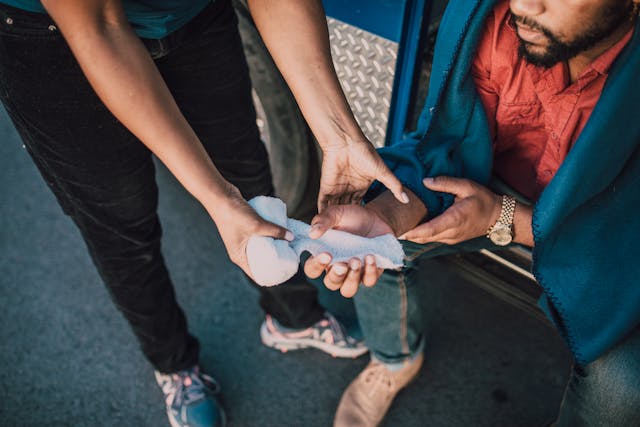
When someone is injured, it doesn’t just affect the person in pain, but also every relationship that person has. For close loved ones, an injury can have a profound impact, especially as roles change from that of a partner, parent or peer, into a patient-provider one.
Role Reversal and Caregiver Strain
Healthy relationships are built upon a fair balance of “give and take.” An injury can instantly flip this balance. For example, the partner who was in charge of handling the cooking, cleaning and childcare may now need help with the most basic tasks like bathing or getting dressed. As a result, the healthy partner may experience “caregiver burnout.” Over time, they may feel as though they’ve not only lost their partner, but also gained a full-time job. This role reversal can lead to resentment on both sides. As the caregiver becomes overwhelmed, the injured person starts to feel as though they’re a burden.
Emotional and Behavioral Changes
The pain someone experiences after an injury isn’t just physical, but mental too. Chronic pain and brain injuries can completely change who a person is. It’s common for people to become irritable, depressed or emotionally withdrawn after getting injured. The impact on loved ones is just as profound, as they may feel like they’re walking on eggshells. Unfortunately, this can lead to emotional distance that’s hard to overcome.
Intimacy and Communication Breakdown
During recovery, communication is key. However, it’s not unusual for relationships to become strained as challenges arise. Pain or medication side effects mean that physical intimacy frequently takes a backseat to the injury. However, the communication breakdown often causes much more damage. Instead of covering the usual day-to-day issues, conversations revolve entirely around appointments, symptoms and other medical topics.
Social Isolation
Fewer things shrink your world as quickly as an injury. If you can’t climb stairs, sit for extended periods or handle noisy environments, your social calendar completely disappears. Unfortunately, as a result, many friends may stop calling you because they don’t know what to say. You and your partner may stop accepting invitations out with friends because the effort it will take to attend is too great. This isolation completely removes the external support system right when you and your family need it most.
Financial Strain
Financial strain is a significant reason why many relationships become damaged after a personal injury. Medical bills, the cost of rehabilitation and potentially lost income can all create immense strain on a couple and their family. When you’re constantly worried about losing your home or being able to cover your bills, it becomes impossible to focus on fostering an emotional connection with your partner.
In these types of situations, a team of experienced personal injury attorneys like the lawyers at Peterson Law Office may be able to help you assess the full extent of the financial and emotional toll your injuries have had on your family and seek fair compensation to help alleviate this burden.
How To Adapt and Cope With an Injury
The road to recovery after an injury is hard. However, building and nurturing connections is an important part of your physical, mental and emotional well-being. By building bridges to connect with friends and family, you can overcome the obstacles before you and continue to heal.
Lean on Your Support Systems
Wanting to stay as independent as possible after an injury is understandable. But when you’re hurt, your “village” (friends, family and work colleagues) wants to be able to help you, although they may not be sure how. Accept help when it’s offered. Letting someone bring you food or drive you to appointments is not a sign of weakness. It’s how people show that they care about you.
Practice Open Communication
Injuries often lead to invisible struggles, like frustration, fatigue and pain. Your friends and family members cannot read your mind. Assuming they know how you’re feeling can cause deep resentment that may damage your relationships.
Although it may feel odd at first, practice being specific with what you need or how you feel. Instead of just saying that you’re fine, try being honest. Clear communication can help make the recovery process easier and avoid damaging your relationships.
Ask for Professional Support
The weight of an injury is often too much to carry on one’s own. A therapist can help you process your feelings about the injury, like grief over losing certain abilities or the “identity crisis” that may follow an injury at work or while playing sports.
Navigating the medical system while trying to heal can feel overwhelming. A patient advocate or social worker can help you bridge the gap and make sure that your needs are being met without straining your relationships.
Get Back to Doing What You Enjoy
If your social life revolved around physical activities, it’s common to become isolated after an injury. Try to find ways to resume your hobbies using adaptations for any physical limitations. For example, if you aren’t able to hike with your friends, see if you can meet them at the trailhead for a coffee after they’re done.
You can also use this time to explore other interests that are low-impact. Playing board games, watching movies or even just sharing a deep conversation with loved ones can keep you from feeling so alone. By staying present in your friends’ lives, you can ensure your social foundation is still intact once you have physically healed.
The impact that injuries can have on relationships should not be underestimated. If you or a loved one becomes injured, it’s important that you seek the guidance of a professional personal injury lawyer. This level of expertise can ensure that the person injured receives the support, care and compensation that is needed to help rebuild their life and relationships while they heal.