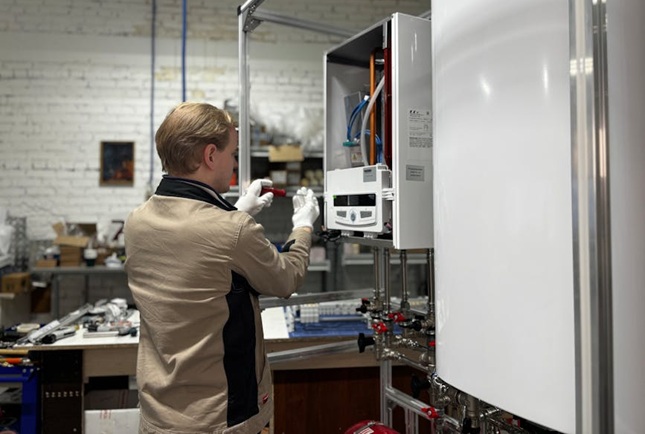
Imagine your home in April 2026, a sanctuary of comfort and warmth. We often overlook the complex systems that make this possible – our plumbing and heating. But what happens when they falter? Unexpected breakdowns can disrupt our daily lives and lead to costly repairs and significant stress.
That’s why regular maintenance is not just a recommendation; it’s an essential investment in our home’s safety, efficiency, and longevity. Whether it’s a traditional furnace, a heat pump, or a more specialized heating system like a Hydronic boiler service, proper care is key to avoiding these unwelcome surprises.
In this extensive guide, we will explore why proactive care saves money and stress in the long run. We will cover the specific tasks involved in maintaining both your plumbing and heating systems, outline professional inspection checklists, and discuss how often these vital services are needed. Our goal is to empower you with the knowledge to keep your home running smoothly, year after year.
Investing in consistent plumbing and heating maintenance goes far beyond simply fixing problems when they arise. It’s a proactive strategy that delivers a multitude of advantages, impacting everything from your monthly utility bills to the overall value of your property. For homeowners across the country, from the bustling urban centers to quieter suburban neighborhoods like those served by Chicagoland plumbing and heating maintenance, the principles remain the same: prevention is always better than cure.
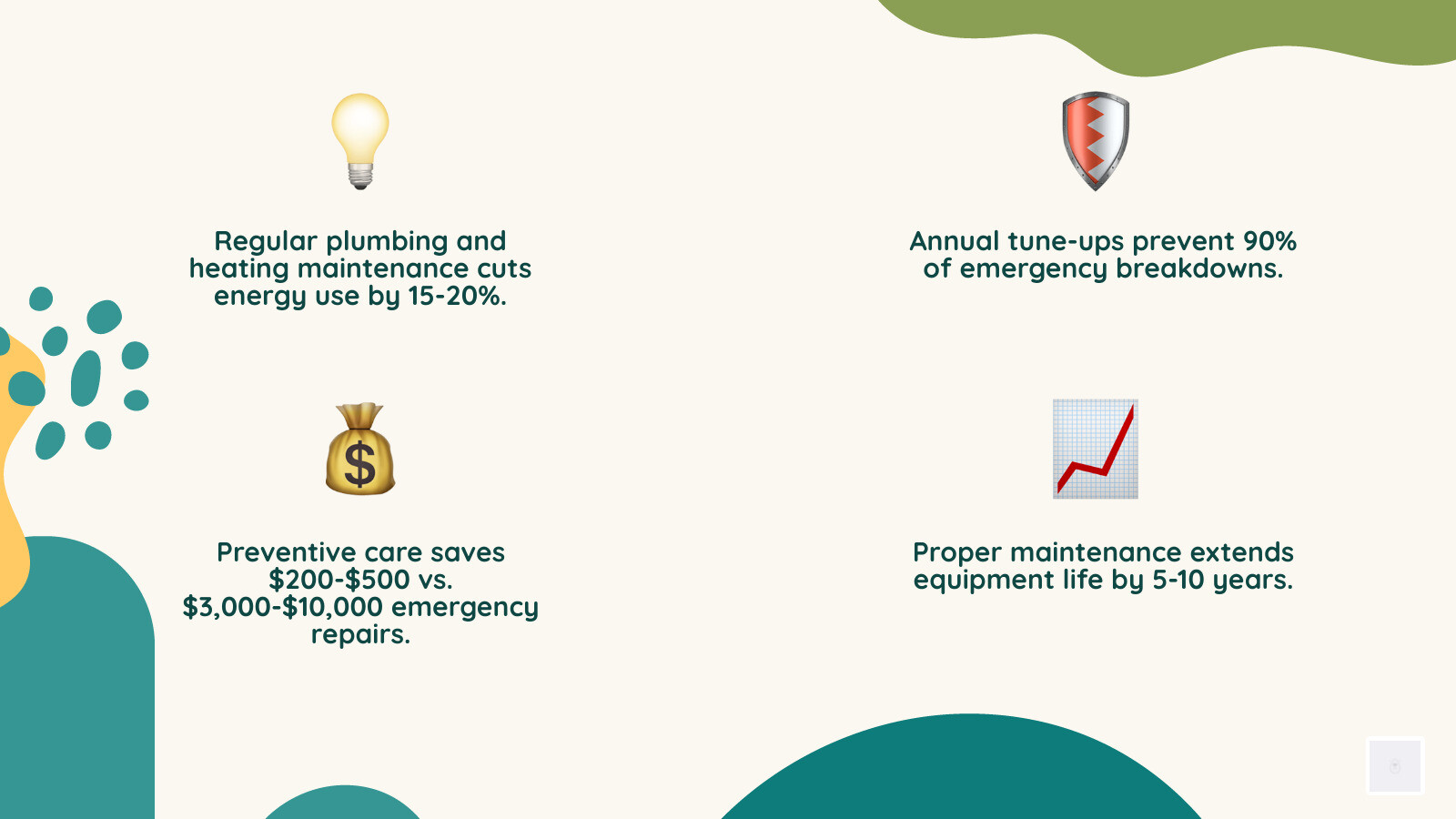
One of the most immediate and tangible benefits is improved energy efficiency. When heating and plumbing systems operate at their peak, they consume less energy and water. For instance, well-maintained HVAC systems can reduce energy consumption by up to 15-20%. This translates directly into lower utility bills, saving you money every month. Beyond efficiency, regular tune-ups are crucial for system longevity. Just like a car needs oil changes to run for years, your home’s vital systems require routine checks to extend their operational life.
Furthermore, consistent maintenance ensures warranty compliance. Many manufacturers require annual professional servicing to keep warranties valid. Skipping these tune-ups could void your coverage, leaving you responsible for the full cost of repairs or replacements should a major issue occur. Most importantly, maintenance is the ultimate emergency prevention tool. Proactive care can help identify small issues before they escalate into catastrophic breakdowns, saving you from the stress and expense of unexpected repairs that can average $3,000–$10,000, compared to the $200–$500 annual cost of preventive maintenance.
Choosing a service provider that offers upfront pricing and arrives with fully stocked trucks also enhances the maintenance experience. Upfront pricing means no surprises, giving you clarity on costs before work begins. Fully stocked trucks often enable technicians to complete most jobs on the first visit, minimizing disruption and saving you time. Many reputable companies also offer VIP membership perks, which can include priority scheduling, discounted services, and extended warranties, making ongoing care even more accessible and beneficial.
Extending Equipment Lifespan
The lifespan of your home’s major appliances, from your furnace to your water heater, is directly impacted by how well they are maintained. Regular maintenance significantly contributes to wear reduction. Technicians meticulously inspect components, clean away dirt and debris that can cause friction and overheating, and lubricate moving parts. This careful attention prevents premature wear and tear, ensuring that each part functions optimally.
Component calibration is another critical aspect. Over time, settings can drift, and parts can become misaligned. A professional tune-up includes calibrating thermostats, checking electrical connections, and adjusting pressure settings, all of which contribute to the system’s overall health and efficiency. This diligent approach can extend the operational life of your equipment by 5-10 years more than a neglected unit. Imagine adding years to your furnace’s life, delaying a major replacement expense that could be thousands of dollars.
Water heater protection is particularly vital. Hard water, which affects 85% of US households, can significantly shorten appliance lifespan by 30–50% without treatment. Regular flushing removes sediment buildup, which is a major cause of inefficiency and premature failure. We’ll delve deeper into this critical task later, but suffice it to say, mitigating the effects of hard water through maintenance is a high-return investment.
Enhancing Home Safety and Comfort
Beyond financial savings and extended lifespans, regular plumbing and heating maintenance plays a crucial role in enhancing your home’s safety and comfort. For heating systems, especially those that use natural gas or propane, safety is paramount. Annual inspections include checking for carbon monoxide leaks, which are odorless, colorless, and highly dangerous. Technicians also inspect gas lines and safety controls to ensure they are functioning correctly, protecting your family from potential hazards.
Indoor air quality is another significant benefit. Heating and cooling systems circulate air throughout your home. Without proper maintenance, these systems can become breeding grounds for dust, allergens, and mold. Regular filter changes, duct cleaning, and coil cleaning drastically improve the air you breathe, reducing allergy symptoms and promoting a healthier living environment.
Consistent temperatures are a hallmark of a well-maintained system. There’s nothing worse than a furnace that struggles to heat your home evenly or an AC unit that can’t keep up during a heatwave. Maintenance ensures that your system delivers consistent, reliable comfort throughout the year. This consistency, combined with the knowledge that your systems are operating safely and efficiently, provides invaluable peace of mind. Regular checks of safety controls, from pressure relief valves on water heaters to flame sensors in furnaces, reinforce this sense of security, allowing you to relax and enjoy your home.
Comprehensive Heating System Care and Checklists
Your home’s heating system is a complex network of components designed to keep you warm and comfortable, especially during colder months. Whether you rely on a furnace, boiler, or heat pump, regular professional care is non-negotiable for optimal performance and safety. A skilled technician will meticulously inspect crucial elements such as heat exchangers, which are vital for transferring heat safely without mixing combustion gases with your indoor air. They’ll also assess burner efficiency, ensuring your system is converting fuel into heat as effectively as possible.
Thermostat calibration is another key task. An accurately calibrated thermostat ensures your system is heating your home to the desired temperature without overworking or underperforming, contributing to both comfort and energy savings. For those with specialized systems, like those requiring Boiler Repair or Radiant Repair, comprehensive checks of flue venting are essential to ensure proper exhaust of combustion byproducts. Blower motors and electrical connections also receive close scrutiny, as these are common points of failure that can lead to system breakdowns.

Standard Heating Maintenance Checklist
A thorough heating system tune-up typically involves a detailed checklist to ensure every critical component is inspected and optimized. Here’s what you can expect:
- Filter Replacement: One of the simplest yet most effective tasks. Dirty filters restrict airflow, reduce efficiency, and strain the system. We recommend replacing or cleaning filters every 1-3 months.
- Safety Controls Check: Verification of all safety mechanisms, including limit switches, flame sensors, and pressure switches, to prevent dangerous malfunctions.
- Lubrication: Oiling moving parts like blower motors and bearings reduces friction and wear, extending the life of these components.
- Pilot Light/Ignition System Inspection: Ensuring reliable ignition and proper flame characteristics for gas furnaces.
- Combustion Analysis: Measuring the efficiency of the combustion process and checking for proper fuel-to-air mixture.
- Ductwork Inspection: Checking for leaks or obstructions in the ductwork that can lead to significant energy loss.
- Heat Pump Defrost Cycles: For heat pumps, verifying that the defrost cycle is functioning correctly to prevent ice buildup on the outdoor coil.
- Carbon Monoxide Testing: Crucial for gas-fired systems, ensuring no dangerous CO is escaping into your home.
- Electrical Connections: Tightening loose connections and checking for frayed wires to prevent electrical hazards and improve efficiency.
These detailed steps are part of comprehensive plumbing and heating maintenance, designed to keep your home safe and warm.
Seasonal Timing for Heating Tune-ups
Timing is everything when it comes to heating maintenance. The best time to schedule your heating system tune-up is in early fall, before the cold weather truly sets in. This pre-winter prep ensures your system is ready to handle the demands of the season without unexpected issues. An annual frequency is generally recommended for most heating systems.
Scheduling your maintenance in the fall offers several advantages:
- Optimal Readiness: Your system is inspected and optimized before it’s put under heavy load, reducing the likelihood of breakdowns during peak demand.
- Manufacturer Requirements: Adhering to annual maintenance schedules helps maintain manufacturer warranties, protecting your investment.
- Avoiding Emergency Rates: Scheduling proactively means you avoid the higher costs and longer wait times associated with emergency repairs during the coldest parts of the year.
- System Reliability: A well-maintained system is a reliable system, providing consistent warmth and comfort when you need it most.
By taking this proactive step each year, you ensure your heating system operates efficiently, safely, and reliably throughout the winter.
Professional Plumbing Inspection and Upkeep
While often hidden behind walls and under floors, your plumbing system is just as vital as your heating system. A professional plumbing inspection is a thorough examination of this intricate network, designed to identify potential issues before they become costly emergencies. Key aspects include detailed corrosion checks on exposed pipes, especially in older homes, to prevent leaks and bursts. Technicians will also verify valve operation, ensuring all shut-off valves function correctly in an emergency.
Water pressure testing is another crucial step. Ideal water pressure typically ranges between 40-60 PSI; anything consistently above 80 PSI can put undue stress on your pipes and fixtures, leading to premature wear. The integrity of all fixtures, from faucets to toilets, is also assessed for leaks, drips, or signs of wear.
DIY Plumbing Tasks (Safe & Simple) Professional Plumbing Tasks (Expert Required) Clear minor drain clogs with plunger Sewer line camera inspection Check for leaky faucets/toilets Water heater anode rod inspection/replacement Insulate exposed pipes Main water line pressure testing Clean faucet aerators Gas line inspection Locate main water shut-off valve Backflow prevention device testing Full system repiping 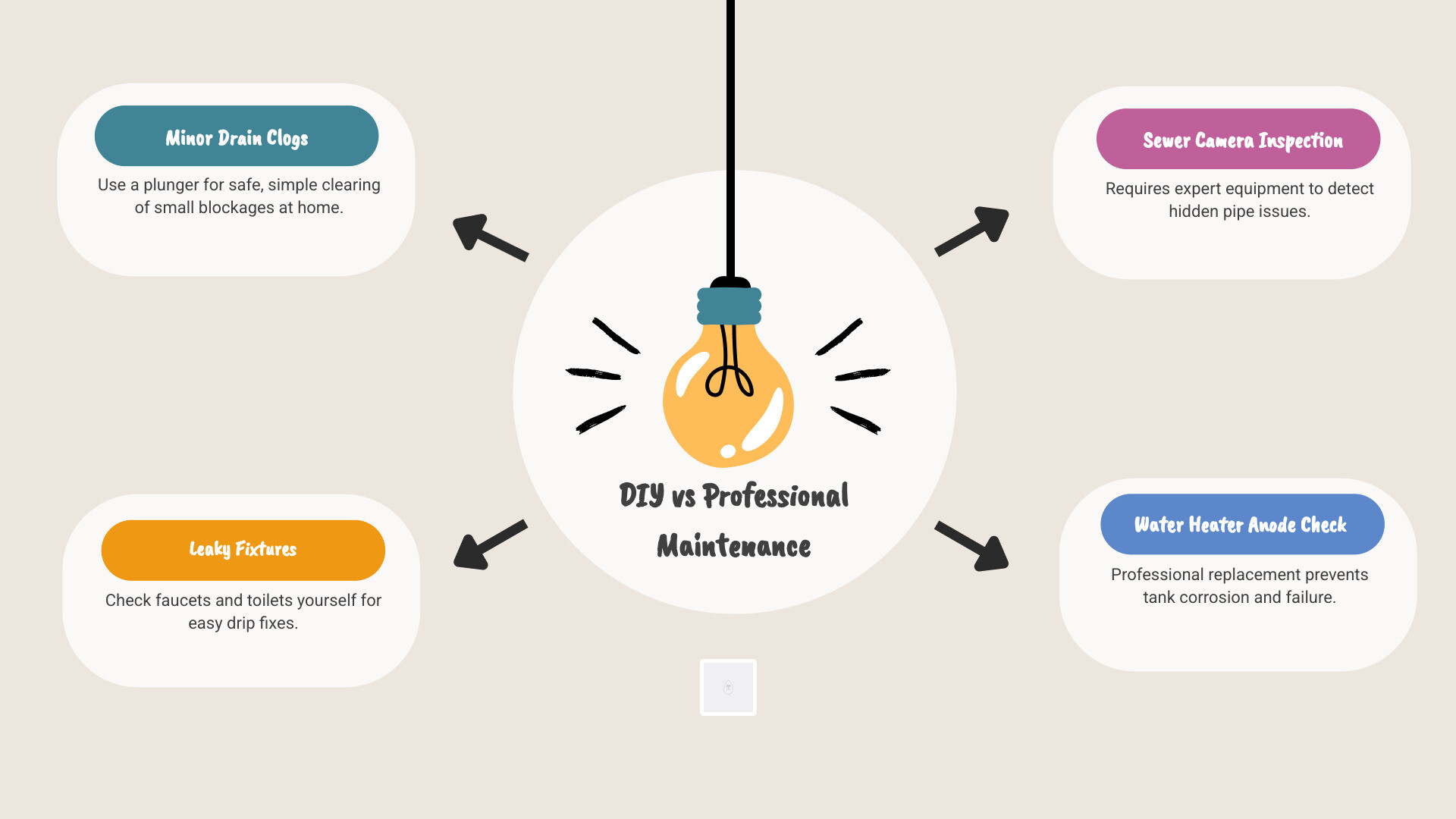
The Critical Role of Water Heater Flushing
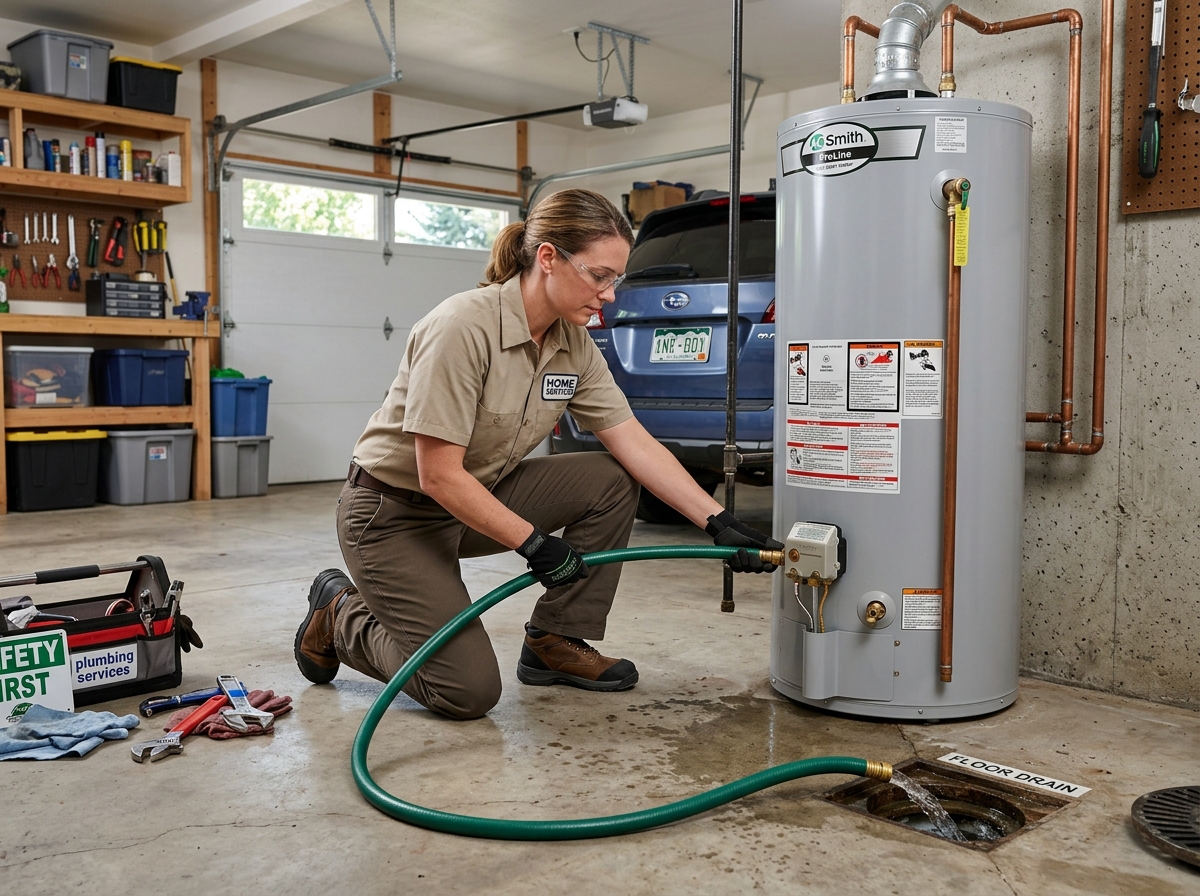
Among all plumbing maintenance tasks, flushing your water heater annually stands out as one of the highest ROI activities for homeowners. Sediment, primarily mineral deposits from hard water, accumulates at the bottom of the tank over time. This sediment acts as an insulator, forcing your water heater to work harder and consume more energy to heat water. Hard water reduces water heater efficiency by up to 22%.
Regular flushing removes this sediment, restoring efficiency and extending the life of your unit by 3-5 years. This simple task can save you $1,000–$2,500 in premature replacement costs, not to mention the annual energy savings. During the flush, technicians may also inspect the anode rod, a sacrificial component designed to corrode instead of your tank, and test the pressure relief valve to ensure it’s functioning correctly. For tankless water heaters, annual descaling is equally important to remove mineral buildup and maintain optimal performance. For more information on maintaining your home’s hot water supply, refer to our resources on Water Heaters.
Essential Plumbing and Heating Maintenance for Drain Health
Maintaining healthy drains and sewer lines is fundamental to preventing costly and messy plumbing emergencies. Clog prevention is key, and simple habits can make a big difference. Avoid pouring grease down sinks, as it solidifies and builds up over time. Use drain strainers in sinks and showers to catch hair and food particles. For ongoing maintenance, enzymatic cleaners can be used monthly to break down organic matter without damaging pipes, unlike harsh chemical drain cleaners.
P-trap maintenance, involving occasional cleaning of these U-shaped pipe sections under sinks, prevents blockages and ensures they hold water to block sewer gases. For more serious or recurring issues, professional camera inspections can identify the exact location and nature of a clog, whether it’s root intrusion from nearby trees or a significant buildup of debris. Addressing these issues proactively can prevent slow drains from escalating into complete blockages or even sewer backups, which can cause extensive water damage. It’s a stark reminder that household leaks, including those from neglected drains, waste nearly 1 trillion gallons of water nationwide each year. Even a dripping faucet wastes over 3,000 gallons annually, and a running toilet can waste up to 200 gallons per day.
Identifying Warning Signs and Managing Costs
Being attuned to the subtle cues your home’s systems provide can be your first line of defense against major breakdowns. Strange noises emanating from your furnace, water heater, or pipes are often indicators that something is amiss. A rattling furnace, a banging water heater, or gurgling drains should never be ignored. Similarly, a sudden or gradual increase in your utility bills without a corresponding change in usage is a strong signal of declining efficiency, suggesting your heating or plumbing system is working harder than it should.
Here is a list of common system red flags that indicate your heating or plumbing system needs maintenance:
- Unusual Noises: Banging, clanking, hissing, or gurgling sounds from pipes, furnace, or water heater.
- Rising Utility Bills: A noticeable increase in gas, electric, or water bills without a change in usage habits.
- Inconsistent Heating/Cooling: Cold spots in your home, or your furnace running constantly to maintain temperature.
- Water Leaks: Dripping faucets, visible pipe leaks, or puddles around appliances like water heaters or washing machines.
- Low Water Pressure: A significant drop in water flow from faucets or showerheads.
- Strange Odors: Musty smells from vents, burning odors from the furnace, or sulfur (rotten egg) smell near the water heater.
- Discolored Water: Rusty or cloudy water coming from your taps.
- Pilot Light Issues: A pilot light that frequently goes out or is yellow instead of blue.
- Slow Drains: Sinks, tubs, or toilets draining sluggishly.
- No Hot Water: Or hot water that runs out much faster than usual.
While the cost of professional preventive plumbing and heating maintenance typically ranges from $200–$500 per year, the emergencies it prevents can average $3,000–$10,000. This significant difference underscores the financial wisdom of proactive care. When selecting a service provider, look for companies that prioritize punctual service and employ background-checked, drug-tested, and thoroughly trained technicians. This ensures not only the quality of work but also your peace of mind regarding who is in your home. For any new Installation or complex repairs, always ensure you’re working with certified professionals. You can find out more about our Service Areas and how to Book Appointment directly.
Frequently Asked Questions about Home System Care
We understand that homeowners often have specific questions about maintaining their plumbing and heating systems. Here, we address some of the most common inquiries.
How often should I schedule professional plumbing and heating maintenance?
For optimal performance and longevity, we recommend scheduling professional maintenance for your heating system annually, ideally in the early fall before the cold season begins. Your cooling system should also receive an annual tune-up in the spring, prior to the summer heat. For plumbing, a yearly inspection is highly beneficial to check for leaks, pipe damage, and overall system integrity. Water heaters, in particular, should be flushed and inspected annually. Heat pumps, due to their year-round operation for both heating and cooling, often benefit from twice-a-year maintenance. Regular checks help us identify potential issues early, preventing major breakdowns and extending the life of your systems. For more insights, you can always check our Blog.
What are the risks of skipping annual tune-ups for gas-based systems?
Skipping annual tune-ups for gas-based heating systems, such as furnaces or boilers, carries significant risks beyond just reduced efficiency and increased repair costs. The most critical danger is the potential for carbon monoxide (CO) leaks. A malfunctioning or poorly maintained furnace can develop cracks in its heat exchanger, allowing this odorless, colorless, and highly toxic gas to escape into your home. Other risks include gas leaks from faulty connections, fire hazards from electrical issues, and complete system failure during peak demand, leaving your home without heat in freezing temperatures. Regular maintenance ensures these components are inspected, cleaned, and repaired, safeguarding your family’s health and safety.
Can routine maintenance prevent costly emergencies like frozen pipes or sewer clogs?
Absolutely. Routine maintenance is your best defense against many costly plumbing emergencies. For instance, a professional inspection can identify vulnerable pipes in unheated areas that might be prone to freezing. While a technician won’t insulate every pipe, they can advise on areas of concern and preventative measures. Regarding sewer clogs, regular drain cleaning and camera inspections can detect early signs of blockages, such as root intrusion or grease buildup, before they lead to a complete sewer backup. By addressing these issues proactively, you can prevent the extensive damage and expensive repairs associated with burst pipes or overflowing sewer lines. Don’t hesitate to Contact us for preventative services.
Conclusion
As we look ahead to the rest of April 2026 and beyond, the message is clear: proactive plumbing and heating maintenance is not an expense, but a wise, long-term investment in your home. It’s the key to unlocking consistent home comfort, ensuring the safety of your family, and fostering sustainable living through energy and water efficiency. By embracing regular professional care, you extend the lifespan of your vital systems, prevent costly emergencies, and maintain compliance with manufacturer warranties.
The reliability provided by expert service, combined with the peace of mind that comes from a well-maintained home, is truly invaluable. So, let’s commit to seasonal readiness and make informed choices for our homes.