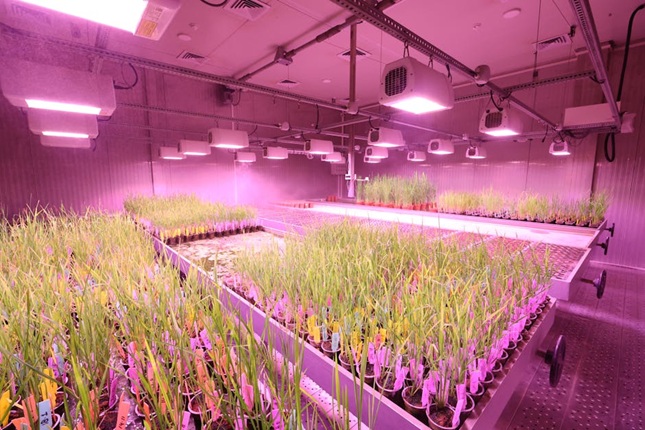
The Science and Scope of Specialized Plant Cultivation
The world of plants offers an astonishing array of life, from vibrant flowers to essential food sources and powerful medicines. But beyond everyday gardening lies a fascinating realm: Specialized Plant Cultivation. This field combines ancient wisdom with cutting-edge science to grow unique, high-value, or challenging plant species.
We are delving into the intricate science and art behind cultivating these extraordinary plants. This isn’t just about making things grow. It’s about optimizing every condition to produce exceptional results, whether for commercial markets, scientific research, or conservation efforts.
In this guide, we will explore the core definitions, branches, and legal frameworks that shape specialized horticulture. We will uncover the innovative techniques, from micropropagation to controlled environment agriculture, that allow us to nurture plants like never before. We’ll also examine the critical role of medicinal plants, the impact of emerging technologies like CRISPR, and the professional pathways available in this dynamic field. For example, understanding Specialized Venus fly trap care requires precise environmental control, a hallmark of this cultivation approach. Join us as we journey into the future of plant growth.
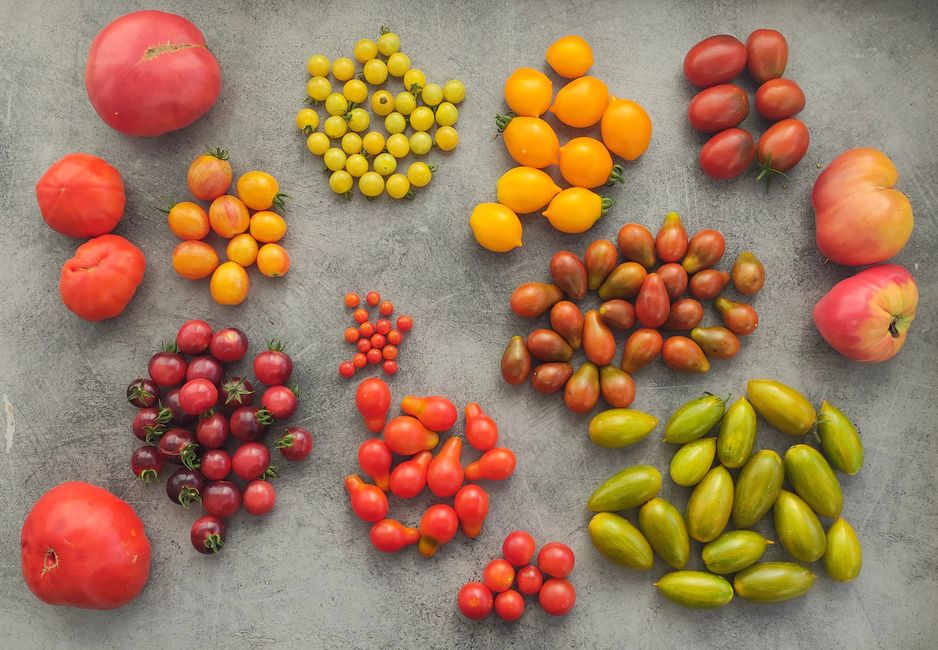 Horticulture, derived from the Latin words ‘hortus’ (garden) and ‘colere’ (to cultivate), represents a distinct branch of plant agriculture. It focuses on the intensive commercial production of garden crops, including fruits, vegetables, and ornamental plants. This specialization sets it apart from broader agriculture, which typically involves large-scale field crops, and from botany, the scientific study of plants in their natural state. While botany seeks to identify and understand plant life, horticulture applies that knowledge to cultivate and improve plants for various human uses. Gardening, on the other hand, is generally a domestic activity, often smaller in scale and less focused on commercial output or scientific rigor.
The origins of horticulture are deeply intertwined with human history, tracing back to the domestication of plants approximately 10,000 to 20,000 years ago. Early horticulturists, often women in many cultures, began to select and cultivate plants near their dwellings, laying the groundwork for more formalized practices. Over millennia, this evolved into distinct branches, each dedicated to specific plant types or cultivation goals.
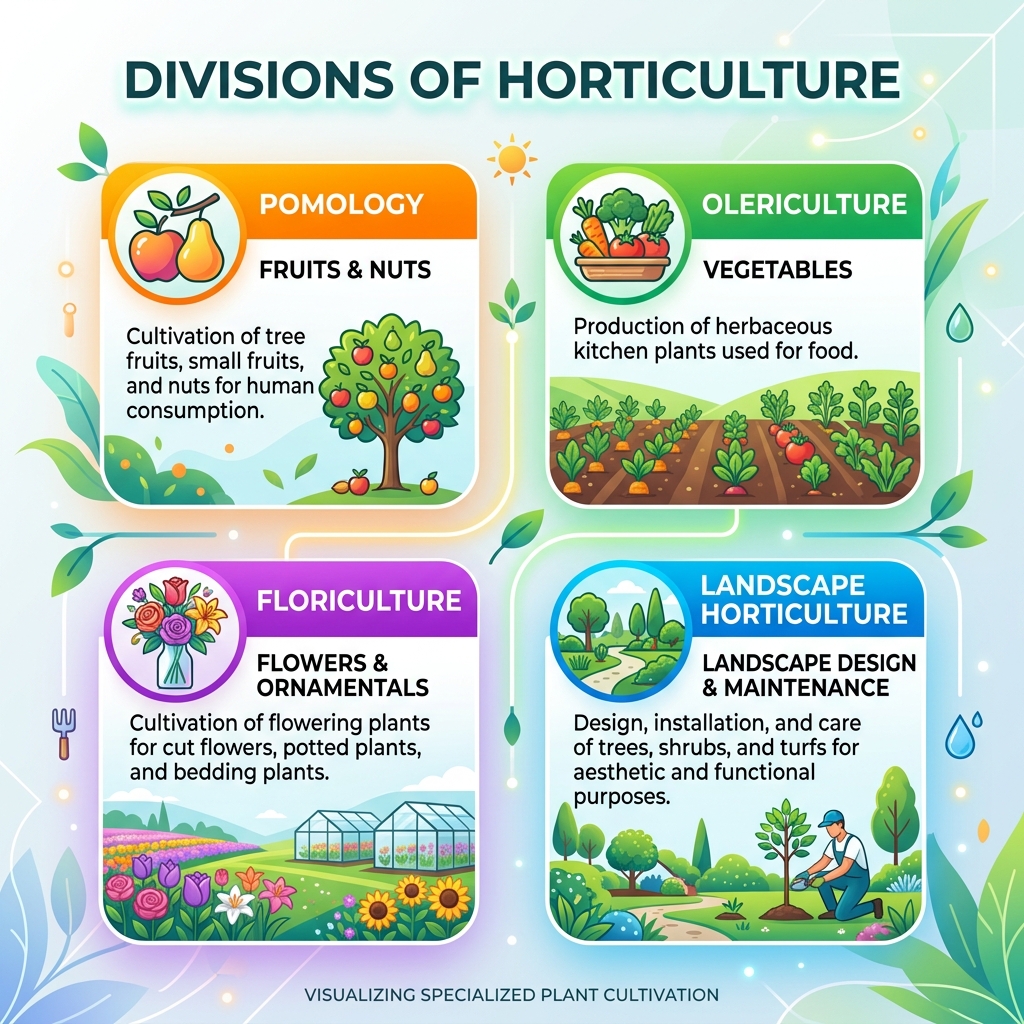
The main divisions of horticulture include:
- Pomology: The science and practice of growing fruits and nuts.
- Olericulture: The cultivation of vegetables and herbaceous kitchen plants.
- Floriculture: The production of flowering and ornamental plants, including cut flowers, potted plants, and bedding plants.
- Landscape Horticulture: Encompasses the design, installation, and maintenance of landscapes, including trees, shrubs, and turfgrass.
These specialized areas demonstrate the depth and breadth of horticultural expertise, moving beyond simple planting to encompass scientific methods, plant breeding, and environmental management.
Defining Specialty Crops and Horticulture
The term “specialty crops” carries a specific legal and commercial definition, particularly in the United States. Under 7 U.S.C. 1621 note, specialty crops are defined as fruits, vegetables, tree nuts, dried fruits, horticulture, nursery, and floriculture crops. This broad definition distinguishes them from staple row crops like corn, wheat, or soybeans, emphasizing their higher value, often more intensive cultivation methods, and diverse applications.
For institutions like Longwood Gardens, a premier botanical garden, the scope of horticulture extends to conservation and research. Their science facilities are a testament to the comprehensive nature of specialized plant cultivation, providing the resources for biodiversity conservation, testing new plant varieties, and ensuring the sustainability of landscapes. Their greenhouses, spanning over 105,000 square feet with 29 distinct environmental zones, house a vast collection of 1,300 different plant taxa, supporting everything from seasonal crop production to core collections and advanced research. This infrastructure highlights the intensive, controlled environment practices often required for specialty crops.
Diversified Systems: Agroforestry and Heirloom Varieties
Beyond conventional field agriculture, specialized plant cultivation often integrates diversified systems like agroforestry and focuses on unique plant varieties. Agroforestry is an intentional land-use management system that combines agriculture and forestry practices to create productive and sustainable outcomes. This can involve:
- Silvopasture: Integrating trees, forage, and livestock on the same land.
- Alley Cropping: Planting rows of trees or shrubs with crops cultivated in the alleys between them.
- Windbreaks: Strategic planting of trees or shrubs to protect crops, livestock, and soil from wind erosion.
- Forest Farming: Cultivating high-value specialty crops, such as medicinal herbs or specialty mushrooms, under the canopy of a forest.
These systems offer ecological benefits like improved soil health, biodiversity, and carbon sequestration, alongside economic diversification for growers.
The cultivation of heirloom varieties represents another facet of specialized horticulture. These are open-pollinated plant varieties that have been passed down through generations, prized for their unique flavors, colors, and historical significance. Resources like the Seed Savers Exchange and historical collections such as the Henry G. Gilbert Nursery and Seed Catalog Collection provide invaluable access to these genetic treasures. Growers can find information on cultivating a wide range of heirloom tomatoes, beans, and other vegetables, often with specific production and marketing profiles tailored to niche markets.
Specialty mushrooms, such as shiitake and oyster mushrooms, are also gaining popularity as high-value crops. Their cultivation can range from indoor controlled environments to forest farming systems, integrating well with agroforestry practices. Similarly, medicinal and culinary herbs, often considered specialty crops, require precise cultivation techniques to optimize their bioactive compounds. Ethnic crops, catering to specific cultural cuisines, also fall under this umbrella, offering opportunities for small-scale farms to diversify their offerings, particularly for Hispanic and Asian markets. These diverse approaches underscore the innovative and adaptive nature of specialized plant cultivation.
Advanced Techniques in Specialized Plant Cultivation
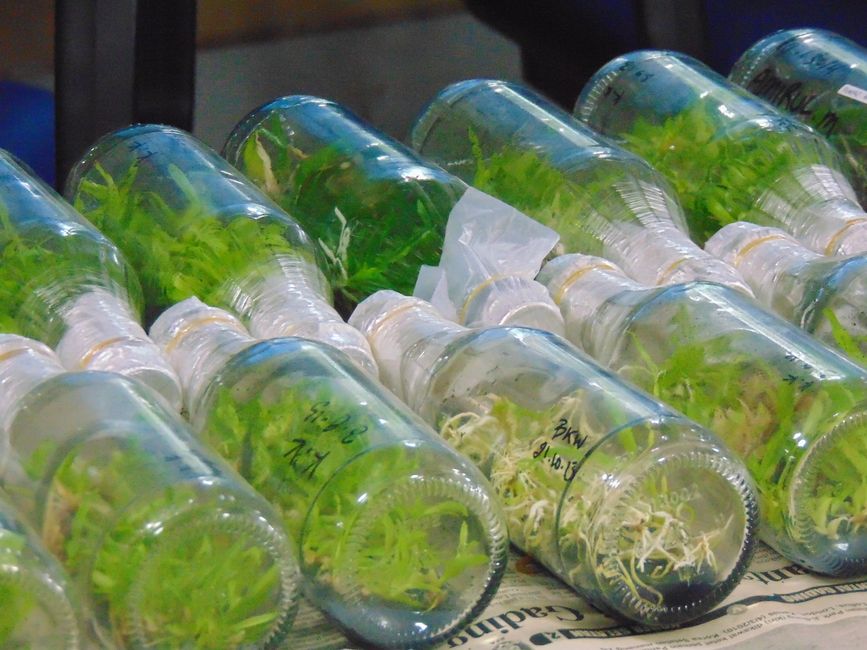 The pursuit of optimal growth and propagation for specialized plants often necessitates methods far beyond traditional gardening. Advanced techniques like plant tissue culture and controlled environment agriculture allow horticulturists to manipulate plant development with unprecedented precision, ensuring genetic fidelity, disease-free stock, and maximized yields.
Controlled Environments and Soilless Systems
Controlled environments are central to specialized plant cultivation, offering precise regulation over critical growth factors. This is particularly vital for high-value crops, rare species, and those with specific environmental demands. Greenhouses, for instance, are designed to optimize conditions for plant growth, but modern facilities take this much further.
Within these controlled settings, Soilless specialized plant cultivation techniques like hydroponics and aquaponics have revolutionized how plants are grown. Hydroponics involves growing plants in nutrient-rich water solutions without soil, while aquaponics combines aquaculture (raising aquatic animals) with hydroponics, using the waste products from fish as nutrients for plants. These systems offer several advantages:
- Water Efficiency: Significantly reduced water usage compared to traditional soil-based farming.
- Nutrient Control: Precise delivery of nutrients directly to the plant roots, optimizing uptake and minimizing waste.
- Pest and Disease Reduction: A sterile growing medium reduces the incidence of soil-borne pests and diseases.
- Space Efficiency: Allows for vertical farming and higher plant densities, maximizing production in limited areas.
Environmental control extends to every aspect of a plant’s surroundings. LED lighting systems have become the gold standard, offering tunable spectrums, higher efficiency, and lower heat output compared to traditional grow lights. This allows for precise manipulation of photoperiodism, the plant’s response to light duration, which is crucial for triggering flowering or maintaining vegetative growth. Diurnal regulation, managing temperature and humidity fluctuations between day and night, also plays a significant role in optimizing plant metabolism and yield.
For highly sensitive plants, such as carnivorous species, these environmental controls are paramount. For example, understanding the specific needs for light, humidity, and nutrient availability is critical for successful cultivation. If you’re looking into Specialized Venus fly trap care, you’ll find that maintaining consistent moisture with distilled water, providing ample light, and ensuring appropriate dormancy periods are non-negotiable for their survival and health.
The commercial production of high-value crops like orchids exemplifies the integration of these advanced techniques. From precise nutrient management in tissue culture labs to sophisticated greenhouse operations, every parameter is meticulously controlled. This includes temperature, humidity, light intensity, and CO2 levels, all aimed at optimizing growth and maximizing yield.
Micropropagation and Tissue Culture Stages
Plant tissue culture is a collection of techniques used to maintain or grow plant cells, tissues, or organs under sterile conditions on a nutrient culture medium. This method leverages the totipotency of plant cells—their ability to regenerate into a whole plant from a single cell or small piece of tissue.
Micropropagation is a specific application of plant tissue culture that allows for the rapid, clonal production of genetically identical plants from a small piece of mother plant tissue. This technique is invaluable for:
- Mass Production: Quickly multiplying plants that are difficult or slow to propagate by conventional means, such as orchids.
- Disease-Free Stock: Producing plants free from viruses and other pathogens, especially by culturing meristematic tissues (stem tips or axillary buds), which are typically virus-free.
- Conservation: Preserving rare or endangered species, as a small amount of tissue can generate numerous plants.
The micropropagation process typically involves several key stages:
- Mother Plant Selection and Preparation: A healthy, disease-free mother plant is chosen. Explants (small pieces of plant tissue) are then harvested under sterile conditions. For the best results, meristematic tissues are often preferred due to their high division rates and rarity of virus infection.
- Culture Initiation: The explants are surface-sterilized using chemicals like bleach or alcohol to eliminate contaminants. They are then placed on a sterile nutrient medium containing essential minerals, vitamins, sugars, and plant hormones (auxins and cytokinins) to induce growth.
- Multiplication: Once established, the cultures are repeatedly subcultured onto fresh media to promote rapid shoot proliferation. The balance of auxins and cytokinins in the medium is critical here; a higher cytokinin-to-auxin ratio typically encourages shoot development. This stage can dramatically increase plant numbers, sometimes up to tenfold faster than conventional methods.
- Rooting: Individual shoots are transferred to a rooting medium, often with a higher auxin-to-cytokinin ratio, to stimulate root formation.
- Acclimatization (Hardening): Plantlets grown in vitro develop in a high-humidity, sterile environment and lack functional cuticles and stomata adapted to external conditions. Therefore, they must undergo a gradual hardening process. This involves slowly reducing humidity and increasing light intensity over several weeks to prepare them for transfer to a greenhouse or outdoor environment.
While micropropagation offers significant advantages, it is a labor-intensive process requiring scrupulous aseptic techniques to prevent microbial contamination. Despite these challenges, it remains a cornerstone of modern specialized plant cultivation, enabling the propagation of countless species that would otherwise be difficult or impossible to grow on a commercial scale.
Medicinal Phytoceuticals and Emerging Technologies
The intricate relationship between plants and human health has been recognized for millennia, with traditional herbal medicines playing a pivotal role in advancing societies. Today, there’s a renewed scientific interest in isolating specific secondary metabolites from plants for pharmaceutical use. These phytoceuticals are complex organic compounds not directly involved in the plant’s primary growth but serve crucial ecological functions, such as defense against pests, pathogens, or environmental stresses.
Key examples of medicinal plants and their bioactive compounds include:
- Papaver somniferum (Opium Poppy): Source of opium alkaloids like morphine and codeine, potent analgesics used for severe pain management.
- Taxus brevifolia (Pacific Yew): Produces paclitaxel (Taxol®), a complex diterpenoid used as a chemotherapy agent. High-yielding Taxus cell culture systems have been developed to sustainably produce this compound.
- Cannabis sativa (Cannabis): Known for its rich array of cannabinoids (e.g., THC, CBD) and terpenoids, which are being assessed for treating chronic pain, epilepsy, and other conditions. Genomic tools are critical for improving Cannabis varieties to target specific cannabinoid/terpenoid profiles.
- Amaryllidaceae family: These plants produce over 650 types of alkaloids, including galanthamine, used to treat Alzheimer’s disease symptoms, and lycorine, which shows antiviral properties.
The standardization of phytoceutical production is paramount. This requires an in-depth understanding of the biological context in which these compounds are produced, the specific cells or tissues where they accumulate, and the metabolic pathways involved in their synthesis. Environmental factors, physiological states, and genetic makeup all profoundly influence the quantity and quality of these valuable compounds.
CRISPR and Genomic Improvements
Emerging technologies like CRISPR (Clustered Regularly Interspaced Short Palindromic Repeats) are revolutionizing specialized plant cultivation, particularly for medicinal plants. CRISPR-Cas systems allow for precise genome editing, enabling scientists to make targeted changes to a plant’s DNA. Unlike traditional genetic modification (GMOs), CRISPR often involves editing existing genes without introducing foreign DNA, making it a powerful tool for crop improvement.
CRISPR applications in specialty crops include:
- Enhanced Bioactive Compound Production: Modifying genes involved in the biosynthesis pathways of secondary metabolites to increase their yield or alter their chemical profile.
- Improved Stress Tolerance: Engineering plants to better withstand abiotic stresses (e.g., drought, salinity, extreme temperatures) and biotic stresses (e.g., pests, diseases). Abiotic stresses alone can result in up to a 70% loss in crop yield, making stress tolerance a critical target.
- Optimized Growth Characteristics: Adjusting traits like flowering time, plant architecture, or nutrient uptake efficiency.
Many medicinal plant species are considered “orphan crops” or “underimproved crops,” meaning they have received less attention from agricultural research and breeding efforts compared to staple crops. Genomic tools and genetic resources are critically important for these species, enabling researchers to identify genes responsible for desirable traits and use techniques like CRISPR to accelerate breeding programs. This is crucial for developing sustainable and high-yielding sources of phytoceuticals.
Addressing challenges like abiotic and biotic stresses requires a multi-faceted approach. Beyond genetic modification, growers employ strategies such as Integrated Pest Management (IPM), crop rotation, and careful environmental control to mitigate losses. Understanding the complex interplay of metabolic pathways and transcriptional regulators is key to unlocking the full potential of these plants and ensuring a consistent supply of high-quality medicinal compounds.
Professional Pathways and Economic Realities
The specialized nature of horticulture translates into diverse and rewarding career pathways. Horticulturists are professionals trained in the science and art of plant cultivation, applying scientific principles to improve the growth of food, ornamental, and medicinal plants. Their expertise spans a wide range of activities, from plant genetics and soil science to pest management and landscape design.
As of 2022, the average base annual salary for horticulturists in the United States was approximately $48,560 per year. However, this figure can vary significantly based on experience, education, specialization, and location. For instance, roles requiring advanced technical skills or management responsibilities typically command higher salaries.
Education plays a crucial role in entering and advancing within the field. Over 40 percent of job openings for horticulturists in 2022 required a bachelor’s degree level of education in horticulture, plant science, soil science, or a related field. Many positions also benefit from certifications, such as an EPA Pesticide Applicator’s License, demonstrating specialized knowledge and compliance with regulatory standards.
Horticulturists work in a variety of settings:
- Botanical Gardens and Arboreta: Managing diverse plant collections, conducting research, and educating the public.
- Commercial Nurseries and Greenhouses: Overseeing the production of ornamental plants, trees, and specialty crops for wholesale and retail markets.
- Research and Development: Working in laboratories or field settings to develop new plant varieties, improve cultivation techniques, or study plant physiology.
- Landscape Design and Maintenance: Creating and maintaining aesthetically pleasing and functional outdoor spaces for residential, commercial, or public clients.
- Agricultural Extension Services: Providing expert advice and resources to growers on best practices for crop production and pest management.
- Specialized Industries: This includes vineyard management, turf management for golf courses and sports fields, and even horticultural therapy programs.
The demand for skilled horticulturists continues to grow as interest in sustainable food production, medicinal plants, and environmental stewardship increases. Professionals in this field are crucial for addressing global challenges related to food security, biodiversity conservation, and climate change, making it a vital and dynamic career choice.
Frequently Asked Questions about Specialized Plant Cultivation
What defines specialized plant cultivation for legal and commercial purposes?
For legal and commercial purposes, particularly in the United States, specialized plant cultivation primarily refers to “specialty crops.” These are legally defined under 7 U.S.C. 1621 note as fruits, vegetables, tree nuts, dried fruits, horticulture, nursery, and floriculture crops. This definition distinguishes them from large-scale commodity crops. Commercially, it implies intensive production methods, often higher value per acre, and cultivation of plants with unique market demands, specific environmental needs, or those grown for their medicinal, ornamental, or heirloom qualities.
How does micropropagation differ from traditional seed starting?
Micropropagation is a method of asexual reproduction that produces genetically identical clones from a small piece of plant tissue (explant) under sterile laboratory conditions. It allows for rapid multiplication, disease-free stock, and propagation of plants that are difficult to grow from seed. Traditional seed starting, on the other hand, involves sexual reproduction, where seeds result from the genetic combination of two parent plants, leading to genetic variation. While simpler, it’s slower, can introduce diseases, and isn’t suitable for all species, especially those with low seed viability or those that don’t produce seeds.
What are the primary challenges in cultivating high-value medicinal plants?
Cultivating high-value medicinal plants presents several challenges. Firstly, standardizing the production of their active compounds (phytoceuticals) is difficult, as their concentration can vary significantly due to environmental factors, physiological stress, and genetic variation. Secondly, many medicinal plants are “orphan crops,” meaning there’s limited research on their optimal cultivation, breeding, and disease management. Thirdly, they are often susceptible to abiotic stresses (e.g., drought, temperature extremes) and biotic stresses (e.g., pests, diseases), which can severely impact yield and compound quality. Finally, the need for sterile conditions, precise environmental control, and advanced techniques like tissue culture adds to the complexity and cost of production.
Conclusion
As we navigate the complexities of a changing world, specialized plant cultivation stands as a beacon of innovation and sustainability. From the meticulous care of rare carnivorous plants to the large-scale production of medicinal compounds, this field offers solutions for food security, environmental resilience, and human well-being. We’ve seen how precise environmental control, advanced propagation techniques like micropropagation, and groundbreaking genetic tools like CRISPR are transforming our ability to grow and utilize plants.
The integration of agroforestry practices fosters sustainable land use, while the preservation and cultivation of heirloom and ethnic varieties safeguard biodiversity and cultural heritage. For professionals, the diverse pathways in horticulture offer rewarding careers rooted in scientific inquiry and practical application. As we look to the future, the continued evolution of specialized plant cultivation will be critical for developing climate-resilient cropping systems, ensuring a consistent supply of high-value crops, and conserving the incredible botanical diversity of our planet. The journey into unique horticulture is not just about growing plants; it’s about cultivating a more sustainable and prosperous future for all. Discover more specialized plant care guides and resources to further your cultivation knowledge at recipestools.com.