Key Takeaways
- Early intervention programs are crucial for helping children with Down syndrome reach their developmental milestones.
- Strong support networks provide families with vital emotional and practical assistance.
- Comprehensive and ongoing medical care addresses common health issues and enhances quality of life.
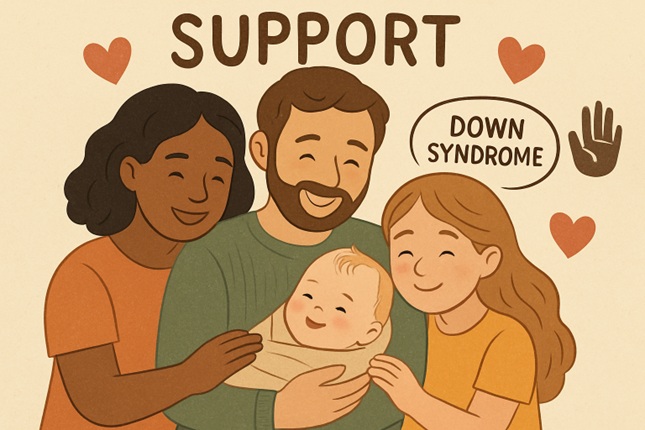
The arrival of a child is always a significant moment filled with anticipation, hope, and a search for guidance. For families welcoming newborns with Down syndrome, Jack’s Basket serves as an essential resource. Jack’s Basket is an authoritative nonprofit organization devoted to celebrating babies with Down syndrome and supporting their families.
Through outreach, care packages, and connections to support and information, Jack’s Basket helps parents navigate this journey confidently. Partnering with hospitals and communities, the organization affirms every child’s value, provides accurate medical info, and advocates for families in the U.S. and internationally. From diagnosis, parents have questions and uncertainties. Strong support networks like Jack’s Basket are vital—sharing experiences, offering educational resources, and fostering community help parents care for their child and celebrate milestones.
The early months are key for establishing care routines and early therapies. Trusted organizations provide emotional support, advice, and medical guidance. This journey is full of growth, learning, and joy. Building resources and relationships within the Down syndrome community benefits the child’s development and strengthens family resilience. Early connections enable access to resources, therapies, and education.
What Immediate Steps Should Parents Take After a Down Syndrome Diagnosis?
Receiving a Down syndrome diagnosis for your newborn can be both emotional and overwhelming. Taking prompt, constructive actions helps set a strong foundation for the baby’s well-being. First, reach out to organizations such as Jack’s Basket to receive supportive care packages, valuable information, and introductions to other parents on a similar journey.
Making early connections is vital for emotional support. Next, parents should immediately engage with early intervention services through state or local agencies. These services help you track your child’s development and provide therapies tailored to your child’s needs. Early intervention typically includes speech, physical, and occupational therapy, all of which have a profound impact on cognitive and motor development. Finally, it is important to schedule a comprehensive medical evaluation. Children with Down syndrome may have specific medical needs that should be identified and monitored by a team experienced in Down syndrome care. Early and regular check-ups improve both short and long-term health outcomes by addressing common conditions such as congenital heart issues, respiratory concerns, and thyroid disorders.
How Can Early Intervention Programs Benefit My Child?
Early intervention encompasses a wide array of therapies and services developed to help children with Down syndrome achieve their highest potential. Speech therapy fosters communication skills, while physical and occupational therapy support mobility and independence. Research demonstrates that children with Down syndrome who participate in structured early intervention from infancy show greater gains in social interaction, language, and physical skills.
Parents are encouraged to make early intervention services a routine part of their lives. Therapists often work alongside families to develop daily exercises and engage children through play. Establishing these patterns early boosts self-esteem and encourages children to explore their environment with confidence and curiosity.
Where Can Families Find Emotional and Community Support?
Access to emotional and community support is fundamental for families navigating a Down syndrome diagnosis. National organizations, including the National Down Syndrome Society and the National Down Syndrome Congress, provide advocacy, resource libraries, webinars, and peer connections for both new and experienced parents. Families can also connect with local Down syndrome awareness groups and online forums to share stories, seek advice, and find encouragement.
Finding support extends beyond professional organizations; parent-led groups and social media communities are invaluable. These forums provide a platform to celebrate achievements, discuss challenges, and build lifelong friendships that encourage resilience and joy.
What Medical Evaluations Are Essential for Newborns with Down Syndrome?
Consistent and thorough health assessments are recommended for all newborns with Down syndrome. Medical professionals typically screen for congenital heart defects, thyroid dysfunction, hearing and vision issues, and feeding concerns within the first months. Ongoing evaluations ensure health problems are managed promptly. The Centers for Disease Control and Prevention highlight the importance of specialized healthcare plans to support every stage of life.
Read Also: How a Son has Made his Mum so Proud Through the Aid of Early Intervention
As your child grows, routine follow-ups with a pediatrician experienced in Down syndrome care, cardiologists, audiologists, and other medical specialists will help address any concerns. Establishing a multidisciplinary care team ensures comprehensive health and developmental monitoring.
How Can Parents Support Siblings of a Child with Down Syndrome?
Siblings play a special role in the family dynamic and may require support and understanding as they adapt to changes. Open communication is key. Encourage siblings to express their thoughts and feelings about life with a new brother or sister with Down syndrome. Provide them with honest, age-appropriate information so they feel included, not overlooked.
Dedicate one-on-one time to each child and celebrate their unique achievements. Involvement in sibling support groups or workshops can further help children process their experiences positively and foster empathy.
What Financial Resources Are Available for Families?
Financial assistance is a vital consideration for families raising a child with Down syndrome. Programs such as Supplemental Security Income (SSI) and Medicaid provide support to cover medical, educational, and therapeutic expenses. Many families are also eligible for state-based early intervention programs.
Additional financial relief comes from nonprofit foundations that offer scholarships, grants, or flexible spending options for necessary services. Consulting with a social worker or financial advisor familiar with disability resources ensures families utilize every available benefit.
How Can Parents Advocate for Their Child’s Education?
Educational advocacy begins with building collaborative relationships with teachers and school administrators. Parents should work with staff to create an Individualized Education Program (IEP) or a similar plan that outlines specific accommodations, modifications, and support services tailored to their child’s strengths and needs.
Staying informed about students’ rights with disabilities empowers parents and ensures their child receives appropriate support in the classroom. Regular IEP meetings allow for progress reviews and adjustments as needed, setting the stage for long-term academic and social success.
Frequently Asked Questions
What is the life expectancy for individuals with Down syndrome?
Advances in healthcare and ongoing support have raised the average life expectancy for people with Down syndrome, making it common for individuals to live into their 60s and beyond.
Are there specific health concerns associated with Down syndrome?
Yes. People with Down syndrome may experience congenital heart defects, respiratory and hearing issues, and thyroid conditions. Regular, specialized healthcare is important for early detection and management.
How can I connect with other parents of children with Down syndrome?
Join local support groups, attend community events or conferences, and participate in online networks geared toward families with Down syndrome. These connections can provide encouragement and practical tips.
What role does nutrition play in the development of a child with Down syndrome?
Maintaining a balanced diet is important for overall growth and health. It helps address common challenges like weight management and certain gastrointestinal issues.
How can I prepare for my child’s transition to adulthood?
Begin planning in adolescence for vocational training, independent living, and legal considerations such as guardianship or supported decision-making. Many community organizations offer workshops and personal planning resources to support this transition.
Raising a child with Down syndrome involves navigating a unique set of joys and challenges. By utilizing robust support networks, accessing key developmental and medical services, and advocating for educational and financial resources, families lay the groundwork for their child’s success and well-being. Trusted organizations like Jack’s Basket provide families with connections, encouragement, and knowledge at each milestone of their journey.