Key Takeaways
- Proactive checks and maintenance help prevent costly water-damage repairs.
- Proper insulation and ventilation reduce moisture buildup, which can lead to mold.
- Using detection devices and knowing how to shut off your water supply limits the extent of any damage.
- Understanding your insurance policy is essential to make sure damages are covered.
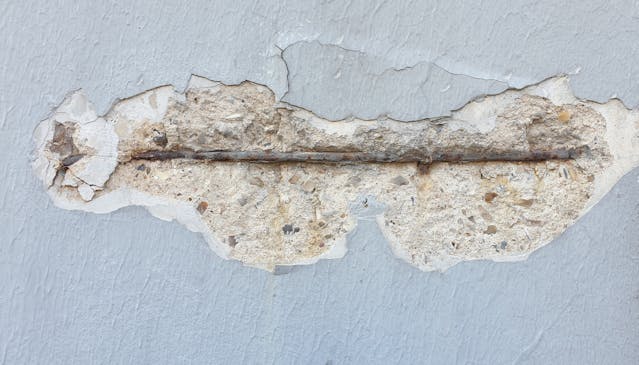
Water damage can be one of the most expensive and stressful problems for homeowners. It often starts with small, overlooked leaks or blocked drains, eventually turning into serious structural problems or hazardous mold growth. Taking a proactive approach is the best way to avoid these issues. Homeowners have access to smart, simple strategies that can dramatically reduce the risk of damage. A little attention can save you money and prevent serious headaches in the future. If you are located in North Texas, partnering with local professionals for water damage restoration Dallas Texas is also an important step in maintaining your property long term.
Using the right preventative steps not only protects your home but also keeps your family safe from the effects of mold and mildew. Many water leaks or plumbing problems can develop without any visible signs at first. By the time you notice stains or musty smells, the problem could already be severe. Regular maintenance and the right tools can make a big difference in keeping your house dry and safe.
Along with inspecting your home’s visible plumbing and foundation, consider checking for hidden or slow leaks. Modern technology now provides affordable devices that detect unwanted moisture or potential water issues before they escalate into disasters. Talking to experts in water leak detection Dallas Texas can offer solutions that fit your house’s specific needs, including devices that send alerts right to your phone when water is detected where it shouldn’t be.
Understanding your insurance policy is also crucial. Some types of water damage may not be covered unless you have extra insurance, especially problems caused by floods or gradual leaks over time. Knowing the details of your coverage can help you make informed decisions about whether your home needs extra protection.
Regularly Inspect Plumbing and Appliances
Every homeowner should make it a habit to inspect plumbing systems and water-based appliances throughout the year. Pay close attention to sinks, toilets, dishwashers, and laundry machines, since these areas are common sources of leaks. Corrosion around pipes, damp cabinets, or unexplained water spots are warning signs that something might be wrong. Addressing these issues as soon as they show up prevents further complications and is far less expensive than repairing major water damage. According to Forbes, small leaks can waste hundreds of gallons of water and lead to costly repairs if left unchecked.
Maintain Gutters and Downspouts
Clogged gutters and downspouts are another major source of water trouble. Leaves, twigs, and debris can build up, causing water to overflow and soak into your roof, siding, or even inside the walls. By cleaning gutters at least twice a year, you ensure rainwater is directed away from your property, minimizing foundation damage and preventing basement flooding. Damaged or missing downspouts should also be replaced immediately to prevent erosion or basement leaks.
Ensure Proper Home Insulation and Ventilation
Insulation and ventilation protect your house in more ways than just staying comfortable. A poorly insulated attic or crawl space can lead to condensation and water seeping into ceilings or behind walls. Exhaust fans in kitchens and bathrooms remove excess moisture, which helps prevent mold. Make sure areas like the basement, attic, and garage are well-insulated. According to experts, maintaining proper insulation and ventilation can prevent hidden water problems before they develop.
Install Water Detection Devices
Water detection devices are small but powerful tools that alert you to leaks fast. Place them under sinks, behind washing machines, or near water heaters so that you’ll be immediately alerted if moisture builds up. These detectors use sensors that sound an alarm or send a mobile notification, giving you precious time to stop a leak before real damage occurs. Devices like smart water shutoff valves can even shut off the water supply automatically when a leak is detected, giving you added peace of mind.
Monitor Water Pressure
While strong water pressure feels good in a shower, too much pressure puts your plumbing system at risk. Excessive pressure can cause pipes and hoses to burst. Use a water pressure gauge to check your home’s level, which should fall between 40 and 60 psi (pounds per square inch). If it is too high, install a pressure regulator or call a plumber to adjust it. This simple step can save you from costly and sudden leaks.
Know How to Shut Off the Water Supply
Everyone in your household should know where the main shut-off valve for the home’s water supply is located. In the event of a major leak or a burst pipe, quickly turning off the water can limit the damage. Practice finding and operating this valve so that everyone is ready in an emergency.
Maintain Your Roof and Chimney
Your roof and chimney are important lines of defense against water entering your home. Inspect your roof for missing shingles or cracked tiles at least once a year, especially after serious storms. Make sure chimney flashing is secure and that seals have not dried out. Regular roof maintenance not only prevents leaks but also extends the overall life of your home.
Understand Your Insurance Coverage
Many homeowners are surprised to learn that not all water damage is covered by standard insurance policies. Issues like gradual leaks, foundation seepage, or flooding often require separate coverage. Carefully review your policy each year and speak with your provider about any extra protection you may need. For extra guidance on what to look for, see Kiplinger’s insurance basics.
By following these guidelines, homeowners in Texas and beyond can protect their investment while keeping the home safe and comfortable for years to come. Smart maintenance, regular inspections, and the use of new technology ensure water damage will not take you by surprise.