Buying meat at the store can feel confusing when faced with different cuts, labels, and prices. Many home cooks rely on familiar choices, even when other options may work better for a recipe or budget. Packaging and product descriptions can make several options appear similar, even when they differ in quality or overall value. Without a clear approach, shoppers often make quick decisions based only on price or habit.
Learning how to approach the meat section more thoughtfully can make grocery trips easier and more rewarding. A little awareness goes a long way in helping you feel more confident about what goes into your cart and eventually onto your plate.
Read on for a practical meat buying guide that helps home cooks make smarter choices at the store.
Choose Reliable Meat Sources
Where you purchase meat can influence freshness, handling quality, and overall selection. Stores that maintain careful storage and knowledgeable service often provide better products for home cooking.
Here are some considerations that can help you identify dependable places to buy meat:
Dedicated butcher counters
Meat counters staffed by trained butchers often provide helpful guidance on portion sizes, preparation methods, and suitable cuts for different meals. You can also request specific trimming, thickness, or packaging that may not be available in prepacked displays.
Many home cooks prefer ordering directly from a local butcher when they want precise portions or specialty cuts. After placing an order, the butcher can prepare the meat according to your request and offer advice on how to store or cook it once you bring it home.
Reputable grocery stores
A well-managed grocery store often maintains strict temperature control and frequent restocking schedules. Stores with steady customer traffic usually rotate their inventory quickly, which increases the chances of finding fresher selections.
In many cases, these stores clearly label different types of fresh beef, poultry, or pork, making it easier for shoppers to compare options before purchasing.
Local suppliers
Some markets work directly with a nearby livestock producer, allowing them to offer meat with clear sourcing information. These suppliers may focus on smaller batches and careful handling practices.
Purchasing from businesses that maintain direct relationships with producers can provide additional transparency about how the animals were raised and processed.
Understand Different Cuts of Meat
To make better choices at the meat counter, it helps to know how larger sections of an animal break down into smaller portions used for cooking.
The following are some ideas that explain how different meat sections are organized and how they influence cooking choices:
Cut of meat structure and usage
A cut of meat refers to a specific section taken from the animal, and each section behaves differently when cooked. Some areas are naturally tender because they come from muscles that do less work, while others are firmer and need longer cooking times to soften properly.
Primal cuts of beef and their role in selection
Large sections known as primal cuts of beef form the starting point for most retail options. These primal sections are later divided into smaller portions, which helps explain why similar-looking items at the store can perform differently in cooking. Understanding this structure makes it easier to identify why certain choices are priced or labeled differently.
Subprimal cuts and common steak options
Subprimal cuts come from breaking down primal sections into more usable portions found at retail counters. These include well-known primary cuts of steak, which are often prepared for quick cooking methods. Some examples include cuts like short ribs, which require longer cooking to soften, while others are suited for faster heat exposure.
Check Meat Freshness and Appearance
A quick look at meat before buying can reveal a lot about its condition. Small visual and physical details often indicate how well it has been stored and how it will perform in cooking.
Here are the most useful visual and physical signs to assess quality at a glance:
Natural color of fresh beef and poultry
Fresh meat shows consistent color across the surface, with beef appearing bright red and poultry leaning toward light pink or pale tones. The color should look even rather than patchy or faded, since irregular shades can suggest uneven exposure or extended storage time. A dull or grayish appearance may also indicate that the meat is no longer at its peak quality, which can affect both flavor and texture during cooking.
Firm texture when lightly pressed
Fresh cuts should feel firm and bounce back slightly when touched, showing that the muscle structure is still intact. When the surface feels overly soft, sticky, or slippery, it may suggest that the meat has started to break down or was not kept at the proper temperature. A stable texture usually signals better handling and a fresher product overall.
Clear packaging with minimal liquid buildup
A small amount of moisture inside the packaging is normal, especially with refrigerated meat, but it should not collect heavily at the bottom. Excess liquid can be a sign that the meat has been stored for too long or is beginning to lose quality. Packaging that is well-sealed with only slight moisture helps preserve texture and keeps the meat in better condition for cooking.
Evaluate Fat Content and Marbling
Fat plays a key role in how meat cooks and how it tastes, so it helps to observe how much is present and where it is located. Small details in fat distribution often influence moisture, tenderness, and overall cooking results.
To guide your selection, below are the key points to focus on:
Marbling improves flavor and texture during cooking
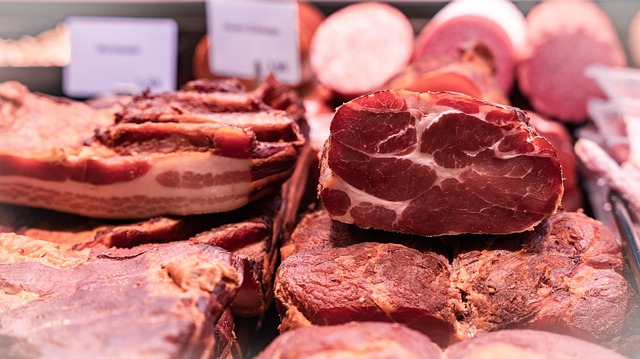
Small streaks of fat within the meat, known as marbling, slowly melt as heat is applied. This process adds moisture and a fuller taste, especially in methods that rely on steady heat. Cuts with even marbling tend to cook more consistently and deliver a richer result without extra seasoning.
Leaner cuts need more controlled heat and timing
Cuts with very little internal fat can still work well, but they require careful attention during cooking. Without enough fat to baste the meat from within, exposure to high heat for too long can lead to dryness and a firmer bite than expected.
External fat layer affects cooking protection and final texture
A visible fat cap on the outside helps shield the meat while it cooks, especially in oven or pan methods. It slowly renders down, adding moisture and helping maintain a balanced texture. Some trimming may still be done depending on personal preference and recipe needs.
Match the Meat to the Recipe
Selecting meat that aligns with the cooking method helps improve texture and consistency in the final dish. Different recipes place different demands on cuts, so the way heat is applied becomes an important factor in the outcome. This makes it easier to avoid results that feel either overcooked or underdeveloped.
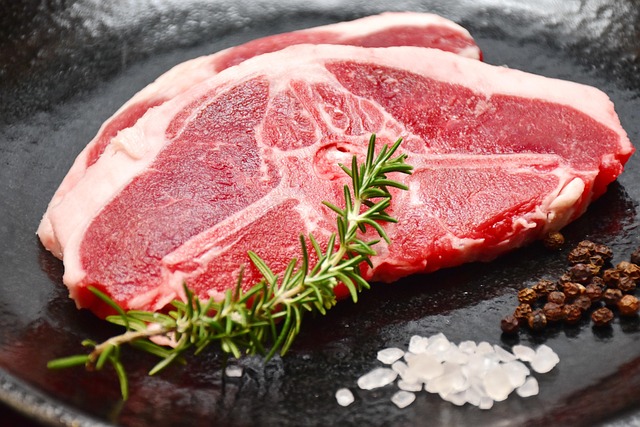
Quick cooking methods work best with cuts that respond well to direct heat. A steak dinner is a clear example where the meat is prepared for fast cooking over high heat to preserve tenderness and natural moisture. High heat allows the surface to develop flavor while keeping the inside soft when handled properly.
In contrast, some recipes rely on processed or pre-prepared options for even cooking and flavor distribution. Ground beef is commonly used in sauces, fillings, and mixed dishes because it cooks uniformly and blends well with seasonings.
Understand Labels and Meat Grades
Labels on packaging often provide quick details about how meat was produced and evaluated. These details can help you compare options more clearly before making a purchase. They also give context that goes beyond appearance or price alone.
Many products use a grading system to indicate overall quality based on factors like texture and fat distribution. This system helps separate higher and lower quality cuts in a standardized way, making comparison easier across similar products. In some regions, these grades are especially common on beef and help guide expectations for cooking results.
In addition, certifications on meat labels give insight into how animals were raised and handled before processing. For example, USDA Organic certification indicates specific feeding and farming standards were followed during production. Meanwhile, Certified Humane highlights animal welfare standards, giving shoppers another factor to consider when choosing meat.
Buy the Right Quantity
Planning the amount of meat before shopping helps keep meals consistent while reducing unnecessary waste. It also allows you to align purchases with actual cooking plans instead of estimating at the counter. This creates a more organized approach to meal preparation.
Portion size gives a practical baseline for how much meat to prepare per person. Thinking in terms of cooked servings instead of raw weight helps avoid miscalculations that often lead to excess food. This simple shift in perspective makes meal planning more accurate.
From another angle, cooking yield affects how much usable meat remains after preparation. Cuts with bones or trimming loss naturally reduce in size during cooking, which can change the final amount served. Factoring this in helps ensure the quantity you buy matches what ends up on the plate.
In terms of leftovers, some meals are designed to produce extra portions for later use. Setting aside these servings can support upcoming meals without additional cooking effort. Proper storage also helps maintain quality, so the extra portions remain useful beyond the first serving.
Final Thoughts
Selecting good meat becomes easier with a few practical guidelines. Understanding cuts, evaluating freshness, and recognizing helpful labels allow you to shop with greater confidence. Matching the meat to your recipe and buying the right amount also improves both cooking results and kitchen efficiency.