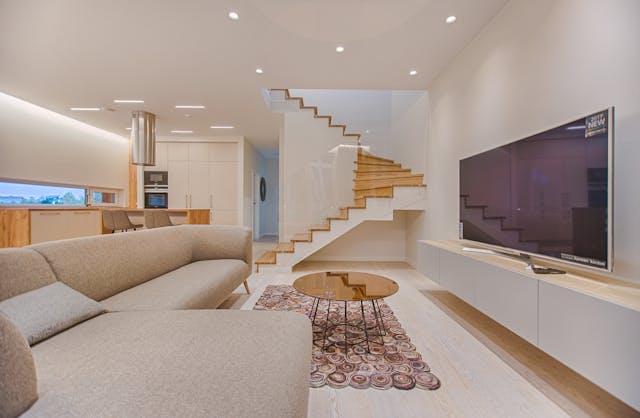
Your home isn’t just where you live—it’s where your life happens. It holds your mornings, your milestones, and the people who matter most. So, when you decide to renovate, it’s more than just a construction project. It’s a rare opportunity to reimagine your space in a way that reflects your style, supports your lifestyle, and makes you feel at home—more than ever before.
However, a successful renovation doesn’t just happen. It takes clarity, coordination, and a strong plan from the start. Without thoughtful planning, what should be exciting can turn overwhelming, expensive, or disappointing. That’s where this guide comes in.
Whether you’re expanding a kitchen or overhauling the entire house, this is your roadmap to making it work—and making it last.
1) Start With a Clear Vision
Every successful renovation starts with a solid vision. Before you look at contractors or compare materials, ask yourself: why are you renovating? Do you need more room for a growing family? Maybe your kitchen no longer works for the way you cook and entertain. Or maybe you just want a fresh, updated look that reflects your taste.
Write down your goals and refer back to them throughout the process. Are you looking for an open-concept layout? Do you need more storage space? The more clarity you have upfront, the easier it will be to communicate your ideas to the professionals you’ll work with.
2) Designing the Dream: How Professionals Can Help
Once you have a vision, the next step is turning it into something buildable. That’s where a custom home builder becomes an invaluable partner. A good builder doesn’t just follow instructions—they offer insights, flag potential issues, and help you design smarter.
Custom home builders are familiar with local materials, architectural styles, and building codes. They know what’s possible within your budget and layout, and they can help you refine your plans to get the most out of every square foot. Whether you’re remodeling a single room or tackling a full-scale renovation, working with a builder early in the process helps you avoid redesigning things halfway through or overspending on features that don’t add value.
3) Know Your Budget—and Build in a Buffer
Renovation budgets are rarely one-size-fits-all, but they do all have one thing in common: the potential for unexpected costs. That’s why it’s smart to not just set a realistic budget but also include a buffer to cover things like price changes, unforeseen damage, or last-minute upgrades.
The first step here should be to list everything you’ll need: labor, materials, permits, and any temporary living expenses if you need to move out. Then, be honest about what you can afford. Share this information openly with your builder or designer. A clear budget makes it easier for everyone to make smart decisions and avoid unpleasant surprises down the line.
4) Understand Local Permits and Building Codes
Depending on where you live and what you’re planning to do, you may need approval from your local council or building authority. This process can vary by region and project type, but it’s a step you can’t skip. Building without the proper permits can lead to fines or, worse, needing to tear down completed work.
Check early to see what permits are required for your renovation. Your builder or architect can often guide you through this process and submit the paperwork on your behalf.
5) Create a Realistic Timeline
Time is one of the most underestimated elements in any renovation. While it’s tempting to hope for the quickest turnaround, rushing a project can lead to mistakes, delays, and unnecessary stress. Setting a realistic timeline from the start will help everything move more smoothly.
Begin by understanding how long each phase of your renovation will take—from design and demolition to construction and final finishing touches. Your builder can help break down each step and identify any stages that are dependent on others. For example, you can’t install countertops until the cabinets are in—also, factor in delivery times for materials and lead times for custom orders.
Moreover, keep in mind that life doesn’t stop just because you’re renovating. Whether you’re staying in the house during the work or living somewhere else temporarily, knowing when each phase will happen lets you plan your daily routine with fewer disruptions.
6) Source Materials Carefully
Choosing the right materials isn’t just about aesthetics—it also impacts your project timeline, budget, and long-term satisfaction. It’s easy to be swayed by beautiful designs, but focus on products that are both stylish and practical for your lifestyle.
Start with the must-haves: flooring, cabinetry, countertops, roofing, and insulation. For these items, quality should come first. Think about durability, maintenance, and how each material will hold up over time. If you have kids, pets, or high-traffic areas, materials need to be as tough as they are attractive.
It’s also smart to order materials early. Some finishes or specialty items can take weeks to arrive. Delays in delivery can push back entire phases of the renovation, so coordinate with your builder to ensure everything is ordered on time.
7) Think About Function, Not Just Looks
A renovation should always improve the way you live in your home—not just how it looks. While it’s fun to choose paint colors and lighting fixtures, don’t overlook layout, functionality, and storage. These are the features you’ll rely on every single day.
Walk through the space and consider how you use it. Does the kitchen flow well when you’re cooking? Is there enough natural light in the living room? Can guests move easily from room to room?
Also, consider how your needs might change over time. If you’re planning to stay in your home long-term, think about future-proofing with wider doorways, better lighting, or energy-efficient systems. Design choices that serve you well now and into the future are always worth the investment.
8) The Final Walkthrough and Beyond
When the work is nearly finished, schedule a final walkthrough with your builder. This is your chance to go through every room, check for incomplete or imperfect work, and make a list of items that need fixing.
Don’t rush through this step. Open drawers, check outlets, test lights, and inspect finishes. Bring any concerns to your builder’s attention and agree on a timeframe to complete the final touches.
Renovating your home can be one of the most rewarding projects you’ll ever take on—if you plan it right. From creating a clear vision to working with professionals and making smart, timely decisions, every step matters. With patience, preparation, and a focus on both function and style, your renovation can transform the way you live—not just today but for years to come. Your home deserves that kind of care. And so do you.