Key Takeaways
- Open-concept layouts maximize space and natural light
- Eco-friendly materials foster healthier, greener homes
- Multifunctional spaces serve evolving homeowner needs
- Bold color and statement design infuse personality
- Smart technology boosts comfort and efficiency
Refreshing your living space with today’s top remodeling trends can completely change the way you enjoy your home. From maximizing natural light to integrating eco-friendly elements, modern renovations go beyond surface updates to create inviting, functional spaces. If you’re considering a major transformation, working with custom home builders ensures your vision is executed with expertise and personalized attention. Their guidance helps navigate the balance between beauty and practicality in home design, resulting in spaces that excel in both appearance and performance. Current trends support tailored living areas through open layouts, multipurpose rooms, and digital upgrades, enhancing property value while accommodating modern lifestyles. Homeowners increasingly prioritize resilience and sustainability, opting for renewable materials and energy-efficient updates. A focus on detail throughout the remodeling journey ensures a cohesive, modern, yet timeless aesthetic.
Open-Concept Living Spaces
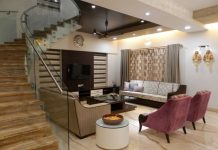
One of the most prominent shifts in remodeling is the adoption of open-concept designs. Removing extraneous walls unites kitchens, dining rooms, and living areas, allowing for easier socializing and more available lighting. Natural light flows freely throughout these expansive spaces, reducing the reliance on artificial lighting and visually extending the square footage.
Open layouts are especially valued for hosting gatherings and facilitating easy movement through the home. They also allow for flexible furniture arrangements and effortless transitions between casual family lounging and more formal entertaining.
Sustainable and Eco-Friendly Materials
As sustainability becomes an essential element of modern living, many remodels now prioritize responsibly sourced, low-impact materials. Options like bamboo, recycled glass, or reclaimed hardwood reduce waste and minimize resource consumption during your renovation. Low-VOC paints and natural stone products also help limit indoor air pollutants, contributing to healthier indoor environments for families.
Sustainable updates may also include energy-efficient appliances and windows, which lower utility costs and your environmental footprint. Projects focused on longevity and renewable resources tend to offer strong returns, both financial and in resale value.
Multifunctional Spaces
Today’s homes must adapt quickly to changing routines. Multipurpose rooms provide flexibility, whether you need a dedicated home office, a gym, or a guest bedroom. Thoughtful additions such as built-in storage, modular furniture, and sliding partitions let one room serve multiple functions. This approach is especially valuable in smaller homes or urban settings where maximizing every square foot is imperative.
Consider converting attics, basements, or even oversized closets into usable spaces. These updates can improve your home’s overall utility without requiring extensive construction or expensive additions.
Bold Colors and Patterns
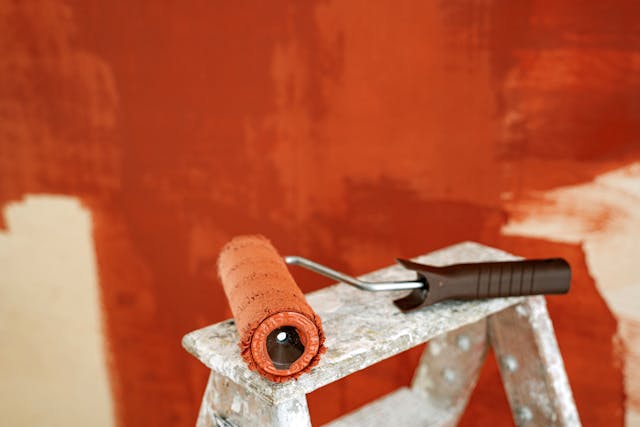
The modern trend of favoring distinctive colors and patterns over restrained neutrals has taken center stage. Deep blues, forest greens, and burnt oranges are popular choices for cabinetry, accent walls, and soft furnishings. Graphic wallpapers, artistic tiles, and eye-catching lighting fixtures serve not only as focal points but also as expressions of your personality throughout different rooms. These creative elements transform rooms into memorable experiences and move away from the one-size-fits-all look of the past.
Smart Home Integration
Integrating smart home technology has become standard in modern remodels, improving both convenience and energy savings. Devices like intelligent thermostats, voice-activated lighting, and state-of-the-art security systems enhance control over your environment and bring new levels of functionality. Features like automated shades and video doorbells are increasingly requested, reflecting a growing preference for security and comfort.
Embracing these upgrades can also make your home more accessible, which is especially valuable for aging in place or accommodating household members with unique needs.
Outdoor Living Enhancements
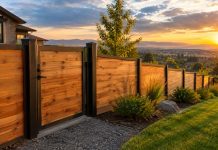
Connecting interior comfort with outdoor living remains a dominant trend. Homeowners now treat patios, decks, and backyards as natural extensions of the indoor living space. Upgrades may include elegant outdoor kitchens, fire pits, water features, or weatherproof furniture. Thoughtful landscape design using native plants and sustainable hardscape materials reinforces your home’s sustainability, improves curb appeal, and invites relaxation amid nature.
Expansive sliding doors or retractable walls can further blur the lines between indoors and outdoors, creating year-round opportunities for entertaining or quiet enjoyment.
Personalized Interiors
Finally, modern remodeling embraces creativity by encouraging homeowners to make bold decisions that showcase their tastes. Custom furniture, bespoke cabinetry, unique artwork, and curated color palettes are today’s answer to cookie-cutter design. Whether you prefer dramatic emeralds in a living room or intricate wallpaper in a powder bath, these touches convey a sense of authenticity and comfort.
Conclusion
Modern home remodeling goes beyond mere cosmetic improvements, merging practical features with bold design and sustainability. By adopting open-concept layouts, environmentally conscious materials, versatile room layouts, vibrant details, technological upgrades, robust outdoor amenities, and personal expression, you create a living space that reflects your current needs and future aspirations. With the guidance of qualified professionals and mindful attention to trends, today’s homeowners can look forward to refreshing, comfortable, and inspiring homes now and for years to come.