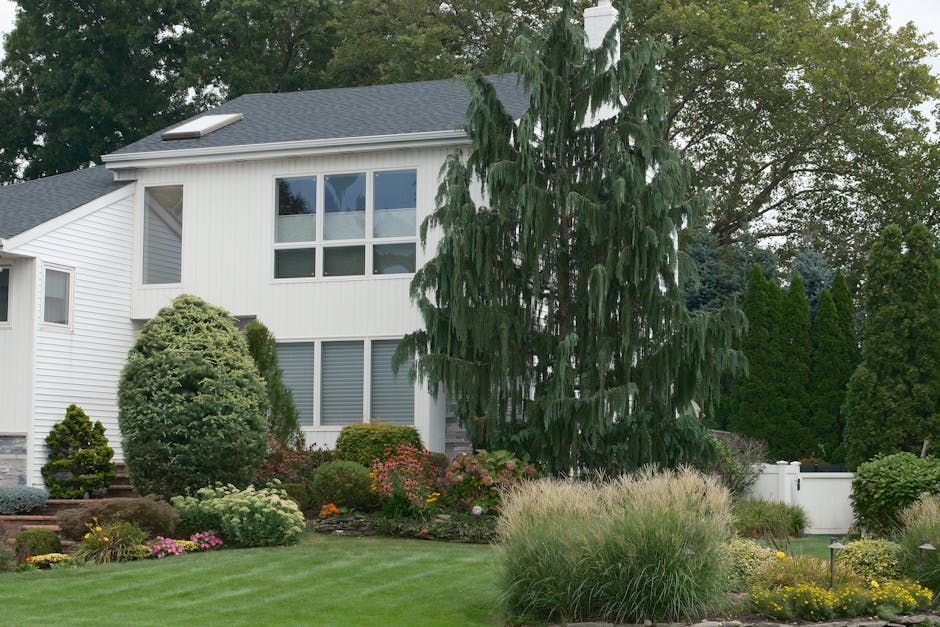
Our home’s exterior is its first impression. It greets visitors, boosts curb appeal, and protects us from the elements. For homeowners, especially in areas with varied climates like Michigan, a strong and beautiful exterior is truly vital.
Beyond just looking good, exterior home improvements add real value. They can save money on energy bills and protect your home’s structure for years to come.
We will look at key exterior upgrades. We will cover everything from high-impact projects to material choices and thoughtful planning. Our goal is to help you create a home that is both beautiful and resilient.

Investing in your home’s exterior is more than a cosmetic choice; it’s a strategic financial decision that pays dividends in many ways. From increasing your property’s market value to enhancing daily enjoyment, the benefits are substantial. We consistently observe that well-executed exterior renovations significantly improve curb appeal, making a home more attractive to potential buyers and boosting its overall appraisal.
Consider the impact on resale value: recent industry reports indicate that certain exterior upgrades consistently deliver a strong return on investment (ROI). For instance, replacing your front door is often cited as one of the most cost-effective improvements. A new steel front door frequently tops the list for ROI, with fiberglass doors following closely behind. These projects are relatively low-cost but dramatically improve a home’s first impression.
Siding replacement also offers impressive returns. While vinyl siding can provide an ROI of over 80%, fiber cement siding might deliver an even higher return, approaching 88.4%. This is why 91% of builders agree that fiber cement siding increases a home’s appraisal value. Beyond these structural elements, even landscape upgrades can yield a 100% ROI, underscoring the power of a well-maintained, attractive outdoor space. Adding a new patio, averaging around $10,500, can generate a 95% ROI, while a new wood deck, typically costing about $16,900, offers an 89% return. These outdoor living enhancements not only add value but also significantly improve the quality of life and homeowner enjoyment, effectively extending your living space.
The list of high-impact renovation projects extends beyond these, encompassing windows, roofing, and various outdoor structures. Each contributes to a home’s overall aesthetic and functional appeal. For example, upgrading to durable and aesthetically pleasing siding, such as high-quality James Hardie fiber cement siding, can transform your home’s appearance and provide long-lasting protection. These investments are not merely expenses but enhancements that solidify your home’s position as a neighborhood benchmark.
Premium Siding and Proper Installation Techniques
Siding is your home’s primary protective layer against the elements, and choosing the right material and ensuring professional installation are paramount, especially in climates prone to harsh weather and significant temperature fluctuations like Michigan. The material you select will influence not only your home’s aesthetic but also its durability, maintenance requirements, and energy efficiency.
Two of the most popular siding options are fiber cement and vinyl. Fiber cement siding, known for its exceptional durability and resistance to fire, pests, and rot, offers a robust solution that can mimic the look of wood, stucco, or masonry. Its longevity and minimal maintenance make it a favorite for homeowners seeking a premium, long-lasting finish. On the other hand, vinyl siding is a cost-effective choice that provides sound insulation and comes in a wide array of colors and styles. Modern vinyl siding is engineered for improved rigidity and impact resistance, making it a viable option for many homes.
The cost of installing exterior siding can vary significantly, typically ranging between $8,000 and $26,000 for a 2,000-square-foot house, including materials and installation. Factors influencing this cost include the home’s size and architectural complexity, the chosen material, and your geographic location. For instance, specialized materials or intricate architectural details will naturally increase the overall project cost. To get a clearer picture, you can explore our siding cost calculator.
Regardless of the material, proper installation is critical. This includes a robust moisture barrier, often achieved with a high-quality house wrap, applied to the entire exterior of the home before siding installation. This barrier is essential for preventing moisture infiltration, which can lead to structural damage and mold growth, particularly in areas susceptible to freeze-thaw cycles. We emphasize the importance of this step to ensure your home is well-protected against Michigan winters and other environmental stressors.

A home fully covered in house wrap, ready for siding installation, demonstrating proper moisture barrier technique.
Beyond protection, modern siding solutions also contribute significantly to your home’s energy efficiency. Insulated siding, for example, can create a thermal envelope that helps regulate indoor temperatures, reducing the workload on your HVAC system and lowering utility bills. When considering a siding upgrade, it’s wise to look for signs you need new siding to ensure you address issues before they escalate. For a deeper dive into materials, our fiber cement siding guide and comparison of James Hardie siding vs other materials offer valuable insights. Premium siding and expert installation are foundational to a durable, beautiful, and energy-efficient home.
Feature Fiber Cement Siding Vinyl Siding Material Cement, sand, cellulose fibers PVC (polyvinyl chloride) Durability Excellent; resistant to fire, pests, rot, impact Good; resistant to moisture, rot, insects Maintenance Low; requires repainting every 10-15 years Very Low; occasional cleaning Appearance Can mimic wood, stucco, masonry; wide range of textures Wide range of colors and styles; can mimic wood Energy Efficiency Good; can be installed with insulation for added R-value Good; insulated options available Cost Higher initial cost Lower initial cost ROI High (e.g., 88.4%) High (e.g., 80.2%) Climate Suitability Excellent for all climates, especially harsh ones Good for most climates; can become brittle in extreme cold Roofing as the Ultimate Exterior Home Improvement.
The roof is often called the “fifth elevation” of your home, and for good reason. It’s not just a structural necessity but a critical component of your home’s overall aesthetic, protection, and energy performance. A well-maintained, properly installed roof is your first line of defense against the weather and a significant factor in your home’s curb appeal and value.
Common roofing materials include asphalt shingles and metal roofing. Asphalt shingles are a popular choice due to their affordability, versatility, and ease of installation. They come in a wide range of colors and styles, offering excellent protection for 15 to 40 years, depending on the type and quality. Metal roofing, while a higher initial investment, offers superior longevity, often lasting 50 years or more, and is known for its exceptional durability, fire resistance, and energy efficiency. Its reflective properties can significantly reduce cooling costs in warmer months.
For homeowners in regions with cold winters and heavy snowfall, like Michigan, specific installation techniques are crucial. The application of an ice and water shield beneath the primary roofing material is essential. This protective membrane prevents water from backing up under shingles due to ice dams, a common issue that can lead to significant interior damage. Proper attic ventilation is equally important, as it helps regulate attic temperatures, preventing both heat buildup in summer and moisture accumulation in winter, which can compromise the roof’s integrity and lead to higher energy bills.
Replacing a roof for an average-sized home may cost about $11,500. This investment, however, provides peace of mind and protection for decades. If you’re wondering how long your current roof will last, our guide to roof lifespan can provide valuable insights. Moreover, a new roof can dramatically improve your home’s appearance, making it a key component in boosting curb appeal. For those in warmer climates, a robust roofing system is equally vital. For example, homeowners often seek reliable options for Brevard residential roofing that withstands intense sunlight and heavy rain, underscoring the universal need for quality protection.
Beyond aesthetics and protection, modern roofing materials and proper installation contribute to energy efficiency. Reflective metal roofs, or “cool roofs,” can reduce the amount of heat absorbed by your home, while adequate attic insulation and ventilation prevent thermal transfer. This translates directly into reduced heating and cooling costs. If you suspect your roof might be nearing the end of its lifespan or has suffered damage, especially after severe weather, it’s essential to recognize the signs that it’s time to replace your roof and siding and consider a professional assessment.
A close-up of a newly installed asphalt shingle roof, showcasing clean lines and proper overlap for weather protection.
Planning for Efficiency and Long-Term Value
Thoughtful planning is the cornerstone of any successful exterior home improvement project, ensuring not only aesthetic appeal but also enhanced efficiency and enduring value. Beyond the major structural components like siding and roofing, other upgrades, such as windows and doors, play a crucial role in your home’s performance and comfort.
Energy-efficient windows, for example, are a significant investment that offers a strong return on investment. Replacing old, drafty windows with modern, ENERGY STAR® certified models can drastically reduce heat loss in winter and heat gain in summer. Features like low-emissivity (Low-E) coatings, argon gas fills between panes, and insulated frames work together to create a superior thermal barrier. This directly translates to lower utility bills and a more comfortable indoor environment year-round. Similarly, insulated siding further enhances this thermal envelope, minimizing thermal bridging and preventing conditioned air from escaping. We often recommend combining these upgrades to maximize savings and comfort.
When embarking on exterior renovations, a key decision homeowners face is whether to tackle projects themselves or hire professionals. While some minor tasks, like painting a front door or basic landscaping, can be budget-friendly DIY upgrades, larger, more complex projects such as roofing, siding, or window installation almost always benefit from professional expertise. Professionals bring specialized skills, proper equipment, and an understanding of local building codes and best practices. They can also often access materials at better rates and complete projects more efficiently, potentially saving you money and stress in the long run. Our team can help you prepare for these projects with our exterior renovations prep guide.
A professional installing a new energy-efficient window, highlighting precision and proper sealing for optimal performance.
To ensure your exterior improvements stand the test of time, regular maintenance is essential. This includes routine cleaning of siding and gutters, inspecting roofing for damaged shingles, and checking window and door seals for drafts. Simple maintenance tasks can prevent minor issues from becoming costly repairs and extend the lifespan of your investments. For instance, keeping gutters clear prevents water damage to your foundation and fascia.
Finally, financing your exterior home improvements requires careful consideration. Options range from using savings to securing home equity loans, personal loans, or even specialized financing plans offered by contractors. Understanding the potential ROI of your chosen projects can help you make informed decisions about how to fund them. Many reputable contractors offer financing options to make these essential upgrades more accessible. We also provide free roof estimates to help you budget effectively for your roofing needs. Planning for these projects, from initial assessment to final payment, is crucial for a smooth and successful renovation.
Frequently Asked Questions about Exterior Renovations
Homeowners often have many questions when considering exterior home improvements. Here, we address some of the most common inquiries to help you plan your projects effectively.
When is the best time for an exterior home improvement?
The best time of year to start exterior renovation projects largely depends on the specific project and your local climate. In Michigan, for example, spring and autumn are generally ideal for most exterior work, including siding, roofing, and window replacement. The milder temperatures during these seasons are conducive to better material performance (e.g., paint curing, sealant adhesion) and more comfortable working conditions for crews. Summer can also be suitable, especially for roofing, but extreme heat can be challenging. Winter is typically less ideal due to cold temperatures, snow, and ice, which can delay projects and affect the application of materials. However, some interior-focused exterior work, like window replacement, can still be done with proper precautions. Planning during off-peak seasons might sometimes offer better contractor availability and potentially more competitive pricing.
Do exterior home improvement projects require permits?
Yes, many exterior home improvement projects do require permits from your local municipality. This is especially true for structural changes, significant alterations to the building envelope (like complete siding or roof replacement), deck construction, or window and door replacements that change the opening size. Permits ensure that the work complies with local building codes, zoning regulations, and safety standards. Failing to obtain necessary licenses can lead to fines, project delays, or even requiring you to undo and redo work. Reputable contractors will typically assist homeowners with the permit application process, handling the paperwork and ensuring all work meets regulatory requirements. It’s always best to check with your local building department before starting any major exterior renovation.
How do exterior upgrades improve energy efficiency?
Exterior renovations significantly improve energy efficiency by creating a more robust thermal envelope for your home. Upgrades like new insulated siding, high-performance windows with low-E glass, and a properly ventilated and insulated roof all work together to minimize heat transfer. Insulated siding reduces thermal bridging, preventing heat from escaping through wall studs. Energy-efficient windows block harmful UV rays in summer and retain heat in winter, while also sealing drafts. A new roof with adequate attic insulation and ventilation prevents heat loss through the roof and reduces heat buildup in the attic during warmer months. Collectively, these improvements lead to more stable indoor temperatures, reduced reliance on heating and cooling systems, and substantial savings on your monthly utility bills.
Conclusion
Investing in your home’s exterior is a powerful way to ensure its longevity, enhance its beauty, and safeguard its value. From the strategic choice of premium siding and roofing materials to the meticulous planning of energy-efficient upgrades, every decision contributes to a home that is both resilient and inviting. We’ve seen how projects like new doors, durable siding, and robust roofing not only offer impressive returns on investment but also significantly improve your daily living experience.
By understanding the costs, ROI, and best practices, and by partnering with experienced professionals, you can navigate exterior home improvement with confidence. Prioritize quality materials, ensure expert installation, and commit to regular maintenance to protect your investment for years to come. A well-maintained and aesthetically pleasing exterior reflects pride of ownership and provides lasting comfort and security for you and your family.