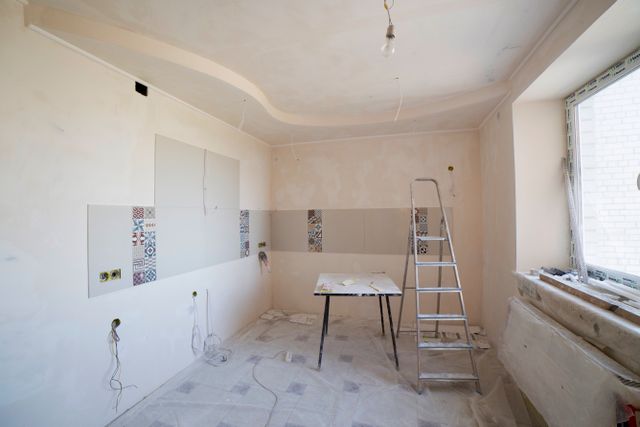
Australia’s home renovation market is experiencing an unprecedented boom, with total values projected to cross the $51 billion mark by the end of 2026. As families increasingly choose to expand their existing footprints rather than purchase new properties, the scale of domestic interior updates has grown significantly. In fact, bank lending for residential renovations has surged to nearly three times pre-pandemic levels. However, upgrading your space is not just about selecting aesthetic finishes and modern fixtures. It requires serious logistical preparation. Before the first wall comes down, you need a solid plan for clearing out your home to protect your health, your peace of mind, and your most valuable possessions.
The Hidden Contamination Risks
When demolition begins, microscopic hazards immediately fill the air. Many homeowners mistakenly believe that closing a door or putting down temporary zip-wall barriers will keep their living spaces clean. Unfortunately, standard plastic sheeting frequently fails to stop fine particulate matter from infiltrating supposedly safe rooms. According to official government guidance, the fine airborne dust generated during remodels can contain hazardous materials like respirable crystalline silica and formaldehyde, which embed deep in the lungs and cause severe respiratory issues.
Beyond the direct impact on human health, this pervasive construction dust poses a serious threat to your property’s infrastructure. If a heating or cooling system is left running during demolition, the return vents act like vacuums, drawing drywall dust and sawdust deep into the ductwork. This debris restricts airflow and creates a perfect, insulated environment for trapped moisture, potentially leading to mechanical overheating or creating a breeding ground for harmful mould. If dust infiltration gets out of control or timelines suddenly shift, you might need to urgently clear the remaining rooms. In these stressful situations, hiring professional last minute removalists is highly recommended to quickly and safely transport your delicate, high-value furniture to a secure storage facility.
Navigating Unpredictable Timelines
Even the most meticulously planned renovations rarely stick to their original schedule. Residential remodel projects can exceed their initial budgets, which frequently results in sudden scheduling shifts and extended construction phases. Rising building costs can also create unexpected pauses in a project. These delays have become increasingly common, with partially finished homes appearing more frequently in some major property markets.
When timelines blow out unexpectedly, the physical footprint of the project often expands. You might suddenly realise that extra rooms need to be emptied immediately to allow contractors to keep working. Preparing for large-scale interior works, such as tackling a whole-house flooring renovation, means anticipating these shifts and understanding that getting your items off the premises entirely is the most effective way to protect them from structural damage and lingering dust.
Strategic Steps for a Stress-Free Clear Out
Preparing your physical space for invasive building work requires methodical, step-by-step planning. Construction experts recommend building flexibility into your renovation plans and preparing for large-scale interior work well in advance. To keep your belongings safe and your household running smoothly, follow these practical steps:
- Evaluate the full project scope: Look at your blueprints and identify every room that will be impacted by foot traffic, equipment storage, or demolition dust.
- Categorise your possessions: Sort your items into three distinct groups. Decide what you need for daily living, what can be securely boxed and stored off-site, and what is too valuable to risk leaving near a construction zone.
- Protect immovable fixtures: For heavy items that absolutely cannot leave the property, use heavy-duty, breathable canvas covers instead of thin plastic drop sheets. Without professional intervention, fine particulate matter can take between three to six months to naturally dissipate from unprotected fabrics and upholstery.
- Seal your climate control systems: Turn off your HVAC systems during active demolition. Tape over all return vents securely to stop microscopic particles from contaminating your home’s ductwork.
Protecting Your Long-Term Equity
Living through a major household remodel is undoubtedly disruptive, but improving your property can provide valuable long-term benefits. Renovated homes may attract stronger buyer interest and stand out more effectively in competitive property markets. By taking the time to completely clear your space, protect your vital infrastructure, and safely store your belongings, you empower your building team to work efficiently while safeguarding the property and possessions you have already invested in.