Table of Contents
- Introduction
- Understanding Permit Requirements
- Compliance with Building Codes
- Budgeting for Your Deck Project
- Choosing the Right Materials
- Design Considerations
- Safety and Maintenance
- Working with Professionals
- Conclusion
Building a deck can transform your backyard into a welcoming extension of your home, a place for summer barbecues, quiet mornings, or family gatherings under the stars. Before you start sketching your ideal space, it’s crucial to understand more than just the design. You’ll need to navigate permits, comply with codes, and make smart financial decisions to avoid setbacks. If you’re considering adding this valuable feature, connecting with a reputable deck contractor in Central PA can help guide you through the process.
Homeowners often underestimate what’s involved before ground is broken, including local regulations, budget surprises, and the importance of using the right materials for Central PA’s climate. The deck’s final quality and your peace of mind both depend on thorough planning and attention to these essentials.
Understanding Permit Requirements
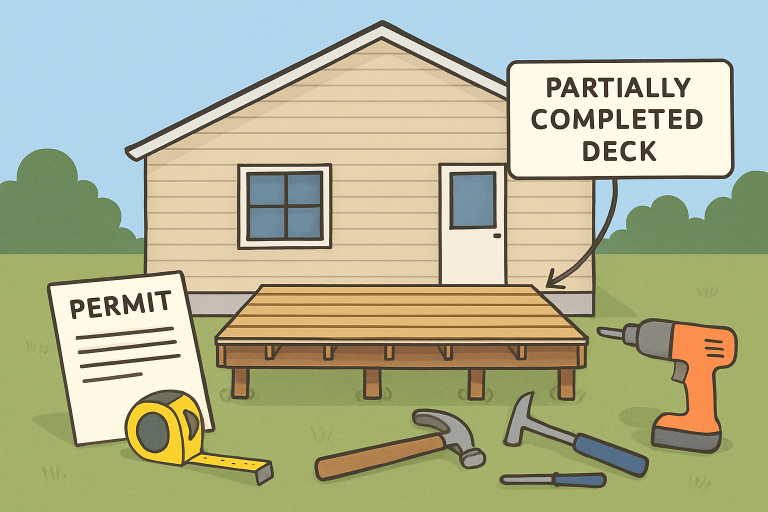
Before lifting a hammer, check with your municipality’s building department about deck permit requirements. Jurisdictions have different rules, most of which require a permit for decks above a certain height or when attached to your home’s structure. In some areas, even ground-level decks may need approval if they have electrical features or are situated near property lines. Failing to obtain proper permits can result in fines or forced removal of your newly built structure.
Permitting ensures your project meets safety standards and local ordinances. For instance, in Portland, Oregon, decks more than 30 inches above grade require a building permit. Local regulations in Pennsylvania may vary, underscoring the importance of direct communication with your city or township.
Compliance with Building Codes
Building codes are in place to guarantee the safety and longevity of your deck. Codes govern critical details such as the depth of footings, joist spacing, handrail height, and connection strength. Ignoring these standards can compromise your deck’s safety and result in costly repairs later or worse, injury due to structural failure.
The International Residential Code (IRC) provides baseline standards, but your local area may have stricter rules. Careful attention to requirements such as guardrail spacing, load limits, and material treatments (for moisture resistance) keeps your investment secure for years to come.
Budgeting for Your Deck Project
Deck construction costs vary based on size, design features, chosen materials, and labor rates. On average, a 200-square-foot deck may cost around $4,800, but larger or luxury projects with built-in seating, lighting, or multiple levels will quickly upscale in price. When budgeting, plan for the full scope: permits, demolition (if replacing an old deck), fasteners or hardware, and even upgrades like custom railings.
Get multiple quotes and clarify exactly what’s included in each bid. Allow for contingencies for surprises such as hidden rot in your current deck or soil issues requiring deeper footings, which are common in outdoor construction.
Choosing the Right Materials
Your choice of materials affects both upfront costs and long-term maintenance needs. Common options include:
- Pressure-Treated Wood: Cost-effective, widely available, but needs annual staining or sealing to prevent decay and splinters.
- Cedar and Redwood: Naturally insect- and weather-resistant, prized for their appearance, but more expensive and also require periodic maintenance.
- Composite Materials: Made from recycled plastics and fibers, they last for decades with little upkeep, resisting rot and fading, but generally cost more initially.
Consider the local climate, sun exposure, and your willingness to maintain in humid or shady spots; low-maintenance composites may be best, even at a premium price.
Design Considerations
Think about how the deck will function in your daily life. Are you seeking a space for quiet reading, lively dinners, or a gathering spot for children? These needs influence design decisions such as size, layout, built-in benches, planters, or lighting. Situate the deck to capture sunlight or optimize shade, and plan for traffic flow with sufficient room between seating areas and doors.
A professional designer or knowledgeable contractor can offer advice on maximizing both function and beauty, ensuring a finished result that meets your goals and enhances your property’s appeal.
Safety and Maintenance
Routine maintenance is critical for a safe and long-lasting deck. Inspect annually for loose or rotted boards, protruding nails, and wobbly railings. Clean surfaces to control mold and mildew, especially in shaded or damp locations. Wood decks benefit from staining or sealing every 1-2 years to repel moisture and UV damage.
Safety upgrades such as slip-resistant finishes, code-compliant railings, and well-placed lighting help prevent accidents and extend usable hours. Proactive care reduces the need for major repairs down the road and keeps your deck family-friendly for years.
Working with Professionals
Partnering with experienced builders is the surest way to ensure compliance and quality. Licensed pros understand local regulations, can troubleshoot design challenges, and may identify issues you’d miss, like unsuitable soil or water drainage problems. Always verify credentials and ask for references or photos of past projects to ensure your investment is in capable hands.
A great contractor not only delivers skilled craftsmanship but can also save you time and potential future expenses by handling permits, inspection schedules, and code compliance seamlessly.
Conclusion
A well-constructed deck increases your home’s enjoyment and value, but it requires more than just inspiration and good intentions. Navigating permits, adhering to building codes, preparing a thorough budget, and choosing the right materials will ensure your new outdoor living space is both beautiful and worry-free. Invest in proper planning now and enjoy your deck for many seasons to come.