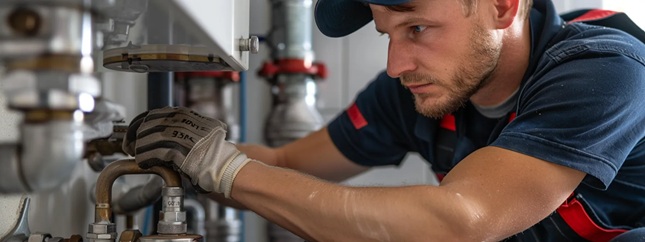
When plumbing issues arise, the comfort and safety of your home can be at stake. Whether it’s a leaky faucet, a backed-up drain, or a more complex problem, finding a reliable plumber is essential. This guide will walk you through the process of identifying and selecting a trusted plumber near you. We’ll explore practical solutions for common plumbing problems, how to assess plumber qualifications, and the importance of customer reviews. If you’re seeking peace of mind and efficient service, this specialized guide is tailored for your needs.
Finding a Trusted Plumber Near Me
When searching for a “Plumber Near Me,” it’s crucial to consider both proximity and reputation. Local plumbers often have a deeper understanding of the common issues faced in your area, offering tailored solutions. One effective way to start your search is by using online maps and directories, such as Plumber Near Me, which provide contact information and customer reviews.
Additionally, consider the integration of modern technology, such as a Home Automation Hub, which can alert you to plumbing issues before they escalate. These hubs can be programmed to send alerts to your smartphone, ensuring you’re aware of problems even when you’re not at home. A well-connected home can simplify the process of finding and contacting a plumber quickly.
Plumbing Solutions for Common Household Issues
Common plumbing issues like clogged drains and leaking pipes can often be resolved with basic tools and techniques. However, when these problems persist, professional intervention is necessary. A trusted plumber can provide solutions that are both effective and sustainable. For example, eco-friendly pest control methods can be employed to prevent blockages caused by insects or rodents in pipes.
Using a Smart Thermostat Calibration can also contribute to better water management, ensuring that your water heating system operates efficiently. This not only reduces the risk of scalding but also promotes energy savings, addressing the broader goal of home efficiency. An Energy Efficiency Audit might reveal areas where plumbing and heating systems can be optimized to conserve resources.
Evaluating Plumber Qualifications and Certifications
When selecting a plumber, it’s vital to assess their qualifications and certifications. Look for professionals with valid Asbestos Abatement Certification or Lead Paint Inspection credentials, especially if your home is older and may have hazardous materials present. These certifications indicate a plumber’s capability to handle complex and potentially dangerous situations safely.
Furthermore, understanding the Mold Remediation Protocol is crucial for plumbers who work in damp or flood-prone areas. This knowledge ensures they can effectively address mold-related issues, which are common in plumbing scenarios. Always verify a plumber’s credentials and experience in handling such specialized tasks to ensure the safety and integrity of your home.
Local Plumber Reviews and Customer Testimonials
Customer reviews and testimonials are invaluable when choosing a plumber. They offer insights into the plumber’s reliability, professionalism, and quality of work. Look for reviews that mention specific services, such as Home Security System Integration, which can indicate a plumber’s versatility and ability to work alongside other home improvement professionals.
Recent research from Angie’s List highlights that businesses with consistently high ratings and reviews are more likely to deliver satisfactory services. Evaluating these reviews can provide a clearer picture of what to expect and help you make an informed decision.
Conclusion

Finding a reliable plumber requires careful consideration of local options, available certifications, and customer feedback. By focusing on these factors, you can ensure that your plumbing needs are met with expertise and efficiency. For homeowners, selecting a trusted plumber not only resolves immediate issues but also contributes to the long-term safety and functionality of your home environment.