Choosing a new floor is a decision that shapes your home’s comfort and style for years to come. Whether you’re updating a single room or renovating your entire house, the choice between laminate and hardwood flooring brings up important questions. Which is more durable? Which fits your lifestyle, budget, and aesthetic preferences? This guide will help you navigate the decision with practical information and comparisons.
Understanding the Basics: Laminate vs. Hardwood
The first step in deciding between laminate and hardwood is understanding the fundamental differences. Hardwood flooring is crafted from solid wood, offering a natural look and feel that many homeowners admire. Laminate flooring, on the other hand, is made from composite wood pressed together and covered with a photographic image that closely mimics wood grain. Each type presents unique benefits and challenges, so evaluating your needs is essential.
For homeowners exploring professional support, chicago flooring services can provide valuable expertise in both materials and installation techniques.
Durability and Maintenance: What to Expect
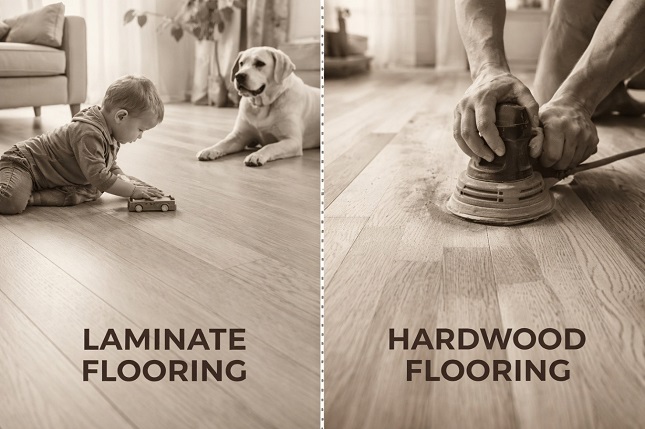
Durability is a top consideration for any flooring investment. Hardwood is known for its longevity and can be sanded and refinished multiple times, which is ideal for areas that see heavy use or might suffer from scratches. However, it’s sensitive to moisture and can warp if exposed to water.
Laminate floors are designed to be scratch-resistant and more tolerant of moisture, making them suitable for families with pets or young children. While they cannot be refinished like hardwood, high-quality laminate can last for several years with proper care. Cleaning both types of flooring is straightforward, typically requiring sweeping and occasional damp mopping.
Aesthetic Appeal and Versatility
When it comes to visual impact, hardwood floors are celebrated for their timeless elegance and unique grain patterns. No two boards are exactly alike, giving each room a sense of character and luxury. Hardwood also adds value to your home and is often a major selling point for potential buyers.
Laminate flooring has evolved significantly, offering realistic wood-look designs and a range of colors and textures. It’s a versatile option that can suit contemporary, rustic, or traditional interiors. Choosing between the two often comes down to personal preferences and the desired ambiance for your space.
Cost Considerations and Value
Budget plays a significant role in most flooring decisions. Hardwood flooring is generally more expensive to purchase and install, due to the material cost and the need for professional expertise. However, it can be a worthwhile investment, potentially increasing your home’s resale value.
Laminate flooring is typically more affordable, both in terms of materials and installation. It can be a practical choice for homeowners looking to refresh their space without a substantial financial commitment. Though it might not match the long-term return of hardwood, laminate provides a budget-friendly path to a beautiful floor.
Installation Process: What’s Involved?
Installing hardwood floors is a complex process, best handled by experienced professionals due to the precise measurements, cutting, and finishing involved. Hardwood installation can be time-consuming and often requires acclimation of the materials before work begins.
Laminate flooring is designed for easier and faster installation, often utilizing a click-lock system that doesn’t require nails or adhesives. Many homeowners opt for a laminate floor installer chicago to ensure a flawless and efficient result, minimizing interruptions to daily life.
Environmental Impact and Sustainability
Sustainability is increasingly important in home improvement projects. Hardwood, when sourced responsibly from managed forests, can be an environmentally friendly option. Look for certifications that guarantee responsible harvesting practices.
Laminate flooring is manufactured using composite wood, which can include recycled materials. However, not all laminates are created equal – some may contain adhesives or chemicals that affect air quality. Consider the environmental certifications and manufacturing processes behind both types of flooring to make an informed choice.
Checklist: Key Questions to Guide Your Decision
Before making your final selection, use this checklist to clarify your priorities:
- What is your total budget for materials and installation?
- Which rooms are you updating, and what are their moisture levels?
- Do you have pets or children who may contribute to wear and tear?
- Are you seeking a long-term investment or a temporary solution?
- How important is resale value to your decision?
- What is your preferred look and feel?
- Are you concerned about environmental sustainability?
Reviewing these factors will help you weigh the strengths of each flooring type against your household’s unique needs.
Matching Flooring to Lifestyle and Room Function
Different rooms in your home may have different requirements. Kitchens, bathrooms, and basements often experience higher moisture levels, making laminate a more suitable choice. Living rooms and bedrooms, where aesthetics and comfort matter most, may benefit from the warmth and beauty of hardwood.
Consulting with professionals experienced in chicago flooring installation can provide tailored recommendations based on your home’s layout and your lifestyle, ensuring optimal results for each space.
Conclusion
Deciding between laminate and hardwood flooring involves balancing durability, aesthetics, cost, and environmental concerns with your personal preferences and lifestyle. Hardwood offers timeless beauty and long-term value, while laminate provides practicality and affordability with impressive design flexibility. By considering your specific needs—such as room use, budget, and maintenance expectations – you can make a confident choice that enhances your home for years to come. As flooring technology and sustainable practices continue to evolve, both options remain strong contenders for modern home installations.