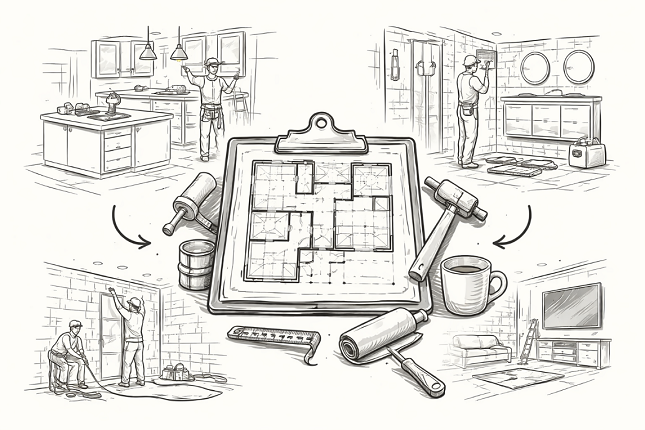
Remodeling your home can be an exciting adventure or a stressful maze—sometimes both at once. When you’re planning updates to the kitchen, basement, and bathroom all together, the complexity multiplies. How do you coordinate design, budget, and timelines without feeling overwhelmed? A carefully structured approach can transform the process into a manageable and rewarding experience.
Setting the Stage: Planning Kitchen, Basement, and Bathroom Remodels
A successful whole-home remodel starts with a clear, realistic plan. Before hiring professionals or picking out finishes, assess each room’s needs. For instance, the kitchen often serves as the family hub, demanding both style and functionality. Consider seeking inspiration and practical advice from resources on kitchen remodeling winnetka to help define your vision and requirements.
Evaluate your goals for each space. Do you need more storage in the kitchen, a finished basement for family gatherings, or a modernized bathroom for daily comfort? By clarifying your priorities, you can identify overlapping needs, such as lighting, plumbing, or energy efficiency, which might streamline the remodel across all three areas.
Creating a Realistic Budget for Multi-Room Projects
Budgeting is often the most challenging part of a multi-room remodel. Costs can accumulate quickly when tackling several spaces together, but strategic planning can save time and money. Begin by researching typical costs for similar projects in your area, then allocate funds for each room based on its size, desired features, and complexity.
It’s wise to set aside a contingency fund—typically 10–20%—for unexpected expenses. Factor in professional fees, permits, and possible temporary living arrangements if the work becomes disruptive. Transparency in communicating your budget to your contractor ensures everyone is aligned on expectations and scope.
Choosing the Right Contractor and Timeline
Selecting a contractor capable of handling a full-home remodel is essential. Look for companies with experience in all targeted spaces – kitchen, basement, and bathroom—as this can simplify communication and scheduling. Request references and review past projects to ensure quality and reliability.
Establish a realistic timeline by mapping out dependencies between rooms. For example, plumbing updates in the basement may affect kitchen or bathroom timelines. Collaborate with your contractor to plan the sequence of work, minimizing downtime and disruptions.
Smart Sequencing: Order of Room Renovations
Which room should you remodel first? The answer depends on your household’s priorities and the interdependence of work. For example, basement waterproofing or structural changes should precede any finish work upstairs.
Here’s a practical checklist to guide the sequence of a three-room remodel:
- Assess structural and plumbing needs for all spaces.
- Complete demolition and major repairs (start with the basement if waterproofing is needed).
- Install or update electrical and HVAC systems.
- Begin with the kitchen for core utilities, if it’s the family’s main hub.
- Tackle bathroom upgrades next, especially if plumbing overlaps with kitchen or basement.
- Finish with basement features, such as flooring or entertainment spaces.
- Conduct final inspections before moving in or resuming daily routines.
This step-by-step approach reduces surprises and ensures efficient use of labor and materials.
Maximizing Space and Functionality
Each room offers unique opportunities to enhance comfort and value. In the kitchen, focus on optimizing workflow—consider appliance placement, storage solutions, and durable surfaces. If you’re finishing a basement, research local basement remodeling chicago for ideas on maximizing natural light, creating flexible living zones, or adding a guest suite.
In the bathroom, prioritize both comfort and efficiency. Heated floors, low-flow fixtures, and smart storage can modernize the space without overwhelming it. Integrating universal design principles—such as wider doorways or barrier-free showers—can future-proof your home for changing needs.
Living Through the Remodel: Minimizing Disruption
Remodeling multiple rooms can disrupt daily routines. Planning ahead can make the process more comfortable. Designate temporary cooking and bathing areas if your kitchen or bathroom will be out of service. Protect valuables and seal off work zones to reduce dust and noise.
Communication is key—regular updates from your contractor help manage expectations and keep surprises to a minimum. If possible, schedule the most disruptive work while your household is away or during less busy seasons.
Staying on Track: Managing Progress and Quality
With multiple spaces under construction, it’s vital to track progress and ensure quality. Keep a project journal or digital tracker to document milestones, changes, and decisions. Walk through the site regularly with your contractor to catch issues early.
Address any concerns promptly—clear communication helps resolve misunderstandings before they escalate. By remaining engaged, you can ensure the finished product meets your expectations and adds lasting value to your home.
Conclusion
Coordinating a remodel across your kitchen, basement, and bathroom is a significant undertaking—but with careful planning, it can be a seamless experience. Start with a clear vision and budget, select a contractor with broad expertise, and maintain open communication throughout the project. Draw inspiration from guides like bathroom renovation lake forest park to ensure each space reflects your needs and style. By sequencing renovations thoughtfully and focusing on design cohesion, you can achieve a harmonious transformation that enhances both function and comfort for years to come.