Choosing the right countertop is one of the most significant decisions in a home renovation. Quartz countertops have become a favorite for many homeowners, but the process of selecting the best quartz for your space can be more complex than it first appears. What should you know before making your choice, and how can you avoid common pitfalls? This guide will help you navigate the essential considerations.
Understanding the Basics of Quartz Countertops
Quartz countertops are engineered stone surfaces created by combining natural quartz crystals with resins and pigments. They are praised for their durability, low maintenance, and consistent appearance. If you are searching for quartz countertops near me, you’ll likely encounter a wide variety of options in terms of color, finish, and style. Before you make a selection, it’s important to understand what sets quartz apart from other materials and how its characteristics might influence your renovation.
Quartz surfaces are non-porous, making them resistant to staining and bacterial growth. Unlike natural stone, quartz does not require regular sealing, which can be a major selling point for busy households. However, the quality and appearance of quartz can vary depending on the manufacturer, so it’s essential to review samples in person whenever possible.
Evaluating Style and Color Options
The design possibilities with quartz are nearly limitless. Manufacturers offer a vast range of colors, from pure whites and soft grays to dramatic veining that mimics marble. The finish can also impact the look and feel of your countertop, with options such as polished, matte, or even textured surfaces.
When deciding on a color or pattern, consider the overall style of your kitchen or bathroom. Neutral tones can provide a timeless look, while bold patterns may become the focal point of the room. Lighting plays a crucial role as well, so view samples under different lighting conditions before making your final decision.
It’s also worthwhile to think about how the countertop will coordinate with other elements in your space, such as cabinetry and flooring. Some homeowners opt for a statement island countertop with a more subdued perimeter, while others prefer a uniform look throughout. At the same time, it’s important to plan for Ongoing Maintenance and Upgrades, ensuring that the materials you choose remain durable, easy to care for, and adaptable to future design improvements or lifestyle changes.
Durability and Maintenance Considerations
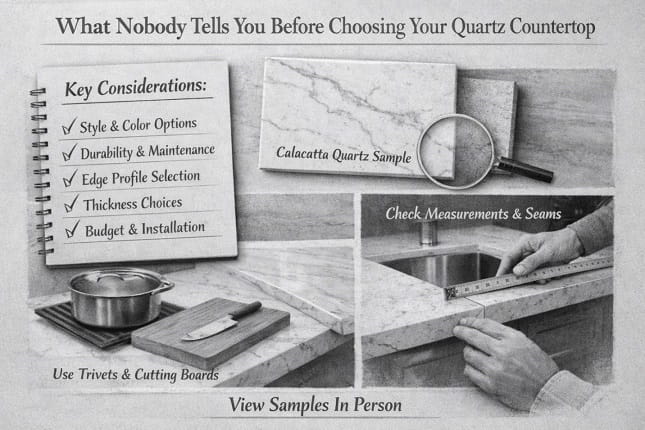
One of the main advantages of quartz countertops is their durability. Quartz is harder than many natural stones, making it resistant to scratches, chips, and stains. However, it’s not entirely impervious to damage. Placing hot pots or pans directly on the surface can cause thermal shock, leading to cracking or discoloration. Always use trivets and cutting boards to protect your investment.
A common question homeowners have is: does quartz need to be sealed? Unlike granite or marble, quartz does not require sealing because it is non-porous. This simplifies maintenance and reduces the time and cost of upkeep. Cleaning quartz countertops typically involves mild soap and water, avoiding harsh chemicals that can dull the finish.
Despite its resilience, quartz can be sensitive to certain chemicals and prolonged exposure to sunlight, which may cause fading over time. Being mindful of these factors will help preserve the appearance of your countertop for years to come.
Choosing the Right Edge Profile and Thickness
The edge profile of your countertop may seem like a minor detail, but it can significantly influence the overall look and functionality. Popular edge styles include straight, beveled, rounded, and ogee. The choice often depends on the design aesthetic you want to achieve and the practical needs of your household.
Thickness is another factor to consider. Standard thickness for quartz countertops is typically 2 cm or 3 cm. Thicker slabs can provide a more substantial, luxurious look, while thinner options are sometimes chosen for contemporary designs or budget-friendly renovations. The thickness also affects the installation method and support requirements.
Discuss these options with your fabricator to ensure your final choice aligns with your aesthetic preferences and practical needs.
Budgeting and Installation Process
Quartz countertops are generally more expensive than laminate or tile but are often less costly than high-end natural stones. The price can vary widely depending on the brand, color, edge style, and complexity of the installation. When budgeting, be sure to account for additional expenses such as cutouts for sinks or cooktops, edge profiles, and professional installation.
The installation process is best left to Home Repair Experts, as quartz slabs are heavy and require precise handling. Improper installation can lead to seams, cracks, or uneven surfaces. It’s important to work with a reputable supplier and installer who can guide you through the process from template to final placement.
For a successful project, clear communication with your contractor is key. Confirm all measurements, discuss seam placement, and review the installation timeline in advance.
Checklist: Key Steps When Choosing Quartz Countertops
To streamline your selection process, use the following checklist:
- Assess your needs and lifestyle to determine the best material properties
- Research color and pattern options that suit your space
- View samples in person under your home’s lighting conditions
- Decide on edge profile and countertop thickness
- Set a realistic budget—including installation and extras
- Choose a reputable supplier and installer
- Confirm all measurements and installation details before work begins
Taking these steps can help ensure that your new quartz countertops meet your expectations in both form and function.
Exploring Popular Quartz Styles
With so many styles available, it’s helpful to look at some of the most sought-after designs. One example is calacatta arno, a style known for its dramatic veining and marble-like appearance. Designs like this offer the luxury look of natural stone with the practical benefits of quartz. When exploring style options, consider both current trends and timeless classics to ensure longevity in your design.
Conclusion
Selecting quartz countertops for your home renovation is a multifaceted decision that goes beyond simply picking a color. Understanding the material’s properties, evaluating style options, and considering practical details like maintenance and installation are essential for achieving a satisfying result. By thoughtfully navigating the choices and being mindful of your household’s needs, you can enjoy countertops that are both beautiful and functional for years to come. Advances in quartz design continue to offer more choices, making it easier than ever to find the perfect fit for your home.