Rideshare trips are part of daily life now. In a city like Las Vegas, where locals and visitors rely on Uber for everything from airport runs to late-night rides home, it often feels routine. You open the app, confirm the plate, get in, and expect a smooth trip.
But accidents don’t check whether you’re a driver or a passenger.
If you’re injured while riding in an Uber, the legal process can feel confusing. Whose insurance applies? Is it the driver’s responsibility? What about Uber’s coverage? Those first few hours matter more than most people realize.
Here are six legal steps to understand if you ever find yourself in that situation.
1. Seek Medical Attention Immediately
Your role as a passenger does not make your injuries less serious.
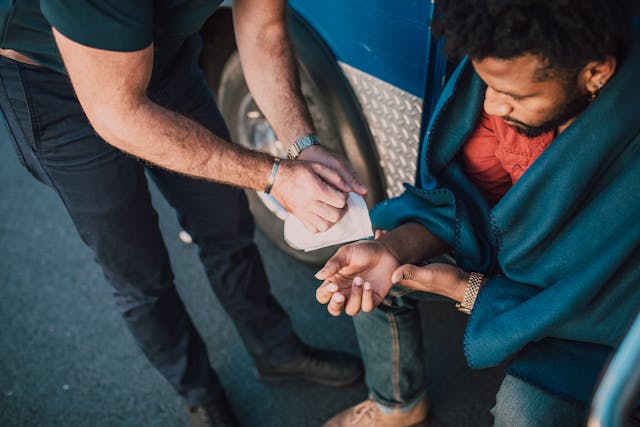
Even if you believe the crash was minor, adrenaline can mask symptoms. Neck pain, headaches, and internal injuries usually surface later. Seeking medical care creates documentation that directly links your injuries to the accident.
In practice, early medical records carry weight. Waiting days to get evaluated can complicate both insurance and legal discussions.
Prioritize your health first. Everything else follows.
2. Report the Accident Through the Uber App
Uber requires accidents to be reported through the platform. Use the trip details in your ride history to submit an incident report as soon as possible.
This creates a timestamped record inside Uber’s system. It also activates the company’s internal review process and potentially its insurance coverage.
Take screenshots of your ride details, driver information, and any communication within the app. Preserve everything.
Small administrative steps now prevent disputes later.
3. Understand Which Insurance Policy May Apply
Rideshare cases are different from standard car accidents.
When an Uber driver is actively transporting a passenger, the company typically provides significant liability coverage. That means you may not be limited to the driver’s personal auto insurance.
Still, determining which policy applies depends on the driver’s app status at the time of the crash. Was the ride in progress? Had the driver accepted the trip? Those details matter.
Many injured passengers choose to speak with an Uber accident lawyer in Las Vegas early in the process to clarify how these layered policies interact. That is why at places like Cogburn Davidson Injury Lawyer, discussions often focus on identifying which insurance carrier is responsible before negotiations begin. This can prevent the waste of time on things that may not be a priority.
4. Avoid Giving Recorded Statements Too Quickly
Insurance companies may contact you shortly after the accident. They might request a recorded statement while events are still fresh.
Pause before agreeing.
You have the right to understand the full extent of your injuries before making formal statements. Soft tissue injuries and concussions can evolve over days.
Early recorded statements sometimes limit a passenger’s ability to adjust claims later when symptoms worsen. It’s reasonable to seek legal guidance before speaking on the record.
Measured responses are safer than rushed ones.
5. Keep Track of Every Expense
Medical bills are only one piece of the puzzle.
Save receipts for prescriptions, imaging, follow-up visits, physical therapy, and transportation costs related to treatment. If you miss work, document lost wages. Keep employer correspondence.
Read Also: Why Getting Chiropractic Care After an Accident Matters
Rideshare injury cases involve corporate insurers who scrutinize documentation carefully. Organized records strengthen your position.
Even small expenses add up.
6. Know That You Are Rarely “At Fault” as a Passenger
One reassuring truth: passengers are almost never responsible for causing a crash.
Liability typically falls on one or both drivers involved. That means your claim focuses on proving damages, not defending your actions.
Still, the presence of multiple insurers — the Uber driver’s policy, Uber’s corporate policy, and potentially another driver’s insurer — can complicate negotiations. This layered structure is why rideshare accidents differ from standard collisions.
Understanding that complexity early helps you make informed decisions rather than reactive ones.
Conclusion
Being injured as an Uber passenger feels uniquely disorienting. You weren’t driving. You weren’t navigating. You were simply along for the ride.
Yet the legal aftermath can feel layered and technical.
The first steps are straightforward: seek medical care, report the incident, preserve documentation, and understand which insurance coverage applies. Avoid rushing into recorded statements. Keep detailed records.
Rideshare accidents involve corporate insurance structures that differ from typical car crashes. Knowing that from the start allows you to approach the process calmly and strategically.
An Uber ride may begin with a tap on your phone. If something goes wrong, your response in those early days shapes what happens next.