

Key Takeaways
- Regular furnace maintenance is critical for comfort, safety, and energy efficiency during colder months.
- Early identification of warning signs such as frequent repairs, rising energy bills, uneven heating, or unusual noises can prevent costly breakdowns and safety hazards.
- Older or inefficient furnaces increase energy costs and may not perform optimally, even with frequent tune-ups.
- Upgrading to a modern furnace improves efficiency, enhances comfort, and reduces the risk of safety hazards such as carbon monoxide leaks.
- Acting proactively ensures long-term savings, consistent indoor comfort, and peace of mind throughout the winter season.
As temperatures drop and winter sets in, keeping your home warm is a top priority. Homeowners depend on their furnaces to maintain comfort and safety during cold months. However, knowing when to move from patching up an old furnace to investing in a new system is vital for energy efficiency and peace of mind. For those experiencing issues like unreliable heating or frequent breakdowns, heating repair Manchester Township, NJ can provide expert help.
An old or inefficient furnace can mean higher utility bills, uneven heating, and mounting repair costs. Beyond comfort, an aging furnace can also pose safety risks, including carbon monoxide leaks or complete failure during the harshest days of winter. Early identification of the warning signs ensures your home stays safe and comfortable while potentially saving significant money over time.
Many homeowners are surprised to discover that an outdated furnace can significantly raise energy costs even if it seems to work fine. Aging components lose efficiency, and even frequent tune-ups may not restore proper function. Upgrading not only fixes immediate concerns but also brings the benefit of modern technology for safer, more consistent heating.
Whether your furnace is showing several warning signs or you want to prepare for winter, knowing when to replace it is essential for every homeowner.
Signs Your Furnace May Need Replacement
Age of Your Furnace
On average, a furnace lasts between 15 and 20 years. Even if it continues functioning, its efficiency and safety decrease as it ages. For units in or beyond this range, replacement becomes increasingly practical, especially since newer models offer better performance and reliability. According to the Department of Energy, replacing an old furnace with a high-efficiency model can drastically reduce heating costs and improve indoor air quality.
Frequent Repairs
Frequent calls to the repair technician signal that your system is nearing the end of its useful life. While a single fix is normal, repeated breakdowns and mounting repair fees often indicate that it’s time to invest in a modern system that will be dependable for years to come.
Rising Energy Bills
If you notice higher energy bills without increased usage or colder weather, your furnace may be losing efficiency. Older furnaces have lower Annual Fuel Utilization Efficiency (AFUE) ratings, making them costlier to run. Even a well-maintained older unit cannot match the efficiency of new, high-performance models.
Uneven Heating and Poor Air Quality
Uneven heating, such as some rooms feeling excessively cold or warm, is a common symptom of an inadequate or aging furnace. Dusty or stuffy indoor air can also point to failing air filtration and blower components within the system.
Unusual Noises and Visible Wear
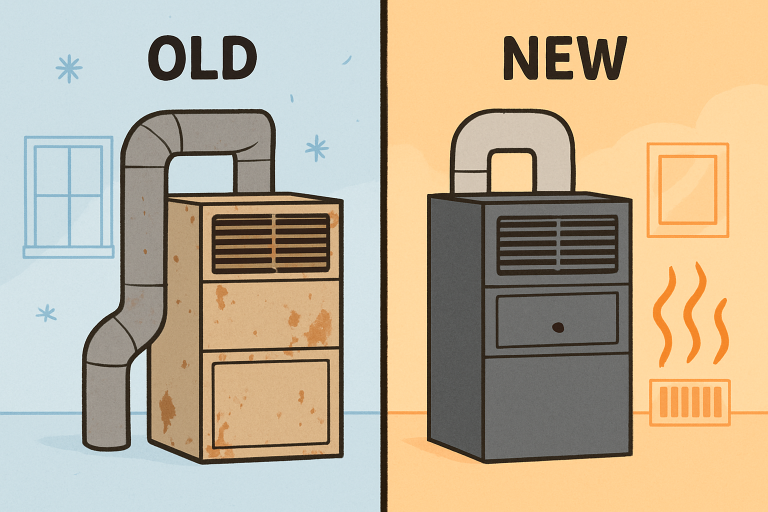
Banging, rattling, or humming noises should not be ignored. Unusual sounds often refer to mechanical problems that could lead to system failure. Signs of rust, cracks, or corrosion also warrant professional assessment, as these issues may compromise safety and reliability.
Benefits of Upgrading to a New Furnace
Energy Efficiency
Modern furnaces operate at much higher efficiency levels, meaning more of the fuel is turned into usable heat with less waste. This leads to lower energy bills and a reduced carbon footprint, which benefits both homeowners and the environment.
Consistent Comfort
Newer systems are designed to distribute heat more evenly, ensuring every room in your home is comfortable. Advanced features, such as variable-speed blowers and smart thermostats, offer added control over your indoor climate.
Built-in Safety Features
Today’s furnaces are equipped with advanced safety features to reduce risks such as carbon monoxide leaks or electrical failures. Upgrading protects your family from potential hazards ensconced in outdated equipment.
Boost in Home Value
A new furnace is a valuable selling point, showing prospective buyers that your home’s critical systems are up to date and reliable. This can make your property more attractive and may even increase its resale value.
When to Schedule a Furnace Replacement
The ideal time to replace your furnace is the off-season, spring, or early fall. During these periods, HVAC professionals have more availability, and you are more likely to find better pricing and incentives. Attempting a replacement at the start of winter often results in higher costs and longer wait times due to heavy demand.
How to Choose the Right Furnace
Correct Size
Selecting the right-sized furnace for your home is crucial. Oversized or undersized units struggle to regulate temperature effectively, leading to higher costs and discomfort.
Fuel Type Preferences
Choose between gas, electric, or oil furnaces based on what is available in your area and the long-term cost implications. Each type offers its own advantages in terms of efficiency, installation, and operational cost.
High Efficiency Ratings
Look for high AFUE ratings, which indicate better energy savings. Energy Star-certified models are a reliable standard for efficiency and performance. The Environmental Protection Agency’s Energy Star furnace guidance is another excellent resource when choosing a new system.
Modern Features
Popular features include variable-speed blowers, modulating burners, and digital thermostats, enabling more precise temperature control and energy efficiency.
Consulting HVAC Professionals
Before committing to a replacement, consult a licensed HVAC expert to assess your needs and evaluate your current system. Professional guidance ensures that your chosen furnace is properly sized and installed, optimizing comfort, efficiency, and lifetime performance.
Final Thoughts
Understanding when to replace your old furnace is key to safe and comfortable living, especially during colder months. Recognizing the signs of an aging system and acting on them can prevent stress, lower energy bills, and enhance home value. A well-timed upgrade to a modern, efficient furnace ensures warmth and security for your family, season after season.


