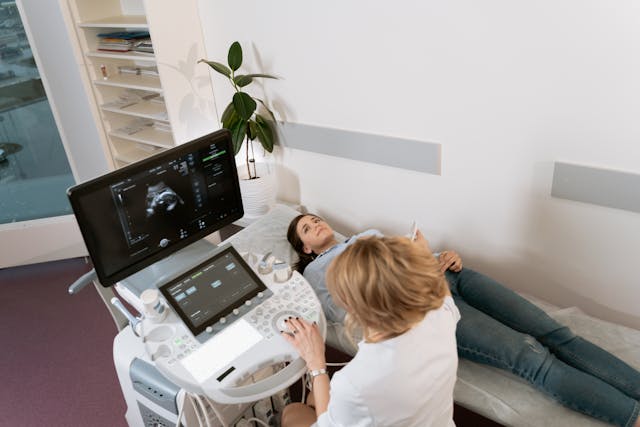
When people talk about cancer, they usually think of the more common ones—breast, lung, or skin cancer. These are the ones that get big campaigns, pink ribbons, and lots of attention in the news. But there are other cancers that don’t get as much recognition, even though they change lives in huge ways. One of those is low-grade serous ovarian cancer, often called LGSOC. It’s rare, it’s hard to treat, and it doesn’t always show clear signs early on. That’s why an awareness day dedicated to it matters so much.
Why Awareness Days Matter More Than They Seem
At first glance, an awareness day might just seem like a date on the calendar. People might share a post, wear a color, or add a hashtag online. But the impact goes beyond that. Awareness days give patients and families a platform to be heard. They push researchers and doctors to look closer at conditions that are often overlooked. They give regular people the chance to learn something new, so they can recognize symptoms in themselves or support someone they know.
For something as rare as LGSOC, this attention is crucial. Without a spotlight, conditions like this risk staying hidden, with too many people left in the dark about what they are, how they affect women, and what can be done to improve outcomes. That’s why marking low-grade serous ovarian cancer awareness day isn’t just symbolic—it’s a step toward real change.
What Makes LGSOC Different
Ovarian cancer itself is already challenging to diagnose. Symptoms like bloating, pelvic pain, or changes in appetite can be easy to dismiss as something minor. But low-grade serous ovarian cancer stands apart because of how it behaves. Unlike the more common high-grade type, which grows quickly, LGSOC is slower-growing but much harder to treat. Standard chemotherapy, which often works for other cancers, usually isn’t effective here.
That means women facing LGSOC need different treatment approaches. They often rely on hormone therapies or targeted drugs, and ongoing research is exploring better options. The problem is that because it’s rare, there aren’t as many clinical trials or studies focused on it. Fewer patients mean fewer data, which slows down progress. This is why awareness is so important. The more attention it gets, the more chances researchers have to secure funding, run trials, and eventually improve treatment choices.
The Human Side of a Rare Cancer
It’s easy to talk about awareness in terms of science, funding, or medicine, but there’s another layer that often matters just as much—the people living with it. Being diagnosed with any cancer is frightening, but having a rare one can make it feel even more isolating. Patients sometimes struggle to find others who understand what they’re going through. They may not know where to look for support or may feel overlooked in broader conversations about women’s health.
An awareness day changes that. It brings people together, even if only online, to share stories and experiences. It reminds patients that they’re not alone and that their voices matter. Family members and friends can also use it as a way to learn more, so they can provide better support. In this way, the awareness day is not just about raising knowledge—it’s about building community.
Spreading Knowledge Beyond the Medical World
One of the biggest challenges with ovarian cancer is that it’s often called a “silent disease.” That doesn’t mean there are no symptoms, but rather that the signs are easy to miss or brush off. Bloating, fatigue, or abdominal pain might be blamed on stress, diet, or everyday life. By the time many women realize something is seriously wrong, the cancer has already spread.
Awareness days help break that cycle. They encourage people to talk openly about symptoms, ask questions, and push for answers when something feels off. They also give educators and health organizations a chance to share easy-to-understand information with the public. If even one person recognizes a symptom earlier because of something they learned, that’s progress.
Rare Doesn’t Mean Less Important
When something is rare, it often gets pushed aside. We see it in healthcare all the time—funding, research, and awareness usually go where the numbers are bigger. But if you’re the one living with a “rare” diagnosis, the statistics don’t matter. What matters is your life, your family, and your future.
Low-grade serous ovarian cancer (LGSOC) doesn’t affect huge numbers of women, but that doesn’t make it any less devastating. In fact, the fact that it is rare is why awareness is so critical. Without it, conditions like this stay in the shadows.
Moving Forward With Awareness
Creating a day dedicated to LGSOC isn’t about a date on the calendar—it’s about visibility. It’s about saying, “We see you, and your story matters.” It’s about pushing researchers, doctors, and communities to pay attention.
Awareness doesn’t have to be complicated. Wearing teal. Talking to a friend. Sharing an article. Learning the symptoms. These small acts add up. They start conversations, and those conversations can change how people see this disease. Over time, they create a ripple effect that spreads far beyond one awareness day. Each person who learns something new can pass that knowledge along, making it more likely that others will recognize symptoms or support someone who is affected. That’s how real change begins—small steps that build into something bigger.
Final Thoughts
Rare doesn’t mean unimportant. Rare just means we need to speak louder. LGSOC Awareness Day is a chance to do exactly that: to give women with this disease the attention and support they deserve. Every voice, every action, every story helps move things forward. And the more people who understand and care about this condition, the harder it becomes for it to be ignored. Awareness leads to recognition, and recognition leads to progress.