Chronic health conditions are long-term illnesses that require continuous medical treatment and ongoing care throughout their duration. The conditions affected by this rule differ from other diseases because their symptoms persist for an extended duration. The medical world recognizes diabetes and heart diseases and arthritis and cancer as common examples of these medical conditions. People with these conditions can achieve a joyful and contented existence through their dedication to healthful living practices. The number of people who experience these conditions has shown a steady rise throughout recent times. The population today experiences longer life expectancy because medical advancements enable people to manage their persistent health problems while achieving contentment.
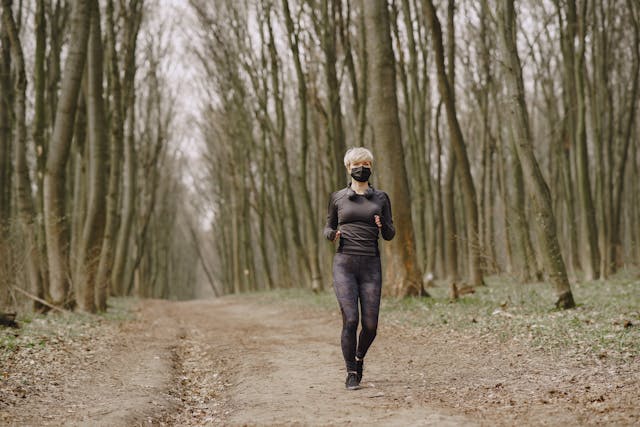
People concentrate on methods that help them achieve better health and improved well-being. The process of supporting health requires people to maintain their daily habits through their choice of lifestyle. The combination of physical movement and mental health activities and outdoor time provides people with a sense of vitality and equilibrium. People can engage in these activities through walking in parks and outdoor relaxation and exercise practice.
Simultaneously‚ there are continuing medical and clinical research for chronic disease management and chronic disease treatment․ For example‚ in related fields such as blood cancer research‚ such as for chronic lymphocytic leukemia (CLL)‚ there is research into drugs such as btk inhibitors for cll and other targeted therapies․ This indicates that preventive medicine and the promotion of healthy lifestyles can lead to improvements in people’s health for years to come․
To this end‚ it is often necessary to have the right treatment and medication‚ coupled with sensible lifestyle choices that promote physical activity‚ mental well-being and good connection to nature․
Understanding Chronic Conditions and Daily Life
Chronic conditions are defined as medical disorders which persist for prolonged durations and need continuous treatment instead of single-session care. The conditions will manifest through different symptoms which will impact multiple body systems and exhibit different levels of intensity. The diseases which fall under this category include asthma and cardiovascular disease and autoimmune disorders and chronic respiratory illnesses.
People with chronic conditions face two different types of challenges which include physical difficulties and emotional distress. The physical symptoms that people experience include fatigue and pain and limited mobility and changes to their energy levels. The symptoms of this condition affect a person’s ability to complete their daily responsibilities and their chance to engage in social interactions and their ability to sustain an active way of life.
People also have to deal with emotional difficulties. The process of managing a chronic health condition creates emotional distress which leads to uncertainty and frustration. Patients require changes in their daily life activities together with constant health evaluation and scheduled medical visits. People will start to feel burdened by their increasing responsibilities when they lack effective support systems and coping techniques for handling their duties.
The preservation of equilibrium requires continuous efforts because this condition needs constant attention. The process of treating chronic health conditions requires three essential elements which include medical treatment and physical activities along with mental health support. Continuous interaction with medical staff guarantees that ongoing treatment programs stay relevant while active physical training and mental stimulation boost overall life satisfaction.
People need to develop sustainable eating patterns because these habits determine their ability to control symptoms and preserve their health. The body can maintain optimal performance through healthy eating practices and consistent sleep patterns and effective stress reduction techniques and scheduled exercise. The body receives support from these habits which build emotional strength even though they cannot serve as substitutes for medical treatment.
Why Staying Active Matters for Long-Term Health
The most effective way for people with chronic conditions to manage their health is through physical activity. People experience various health advantages because they perform different types of physical activities at different levels of intensity throughout their day.
Physical Benefits of Regular Movement
Active people develop better blood circulation and healthier heart systems because of their continuing physical activity. The body uses basic movements which include walking and stretching and light cycling to maintain proper blood circulation throughout the entire body. The system maintains heart health while it helps transfer oxygen to muscles and body tissues.
People who engage in regular exercise activities maintain their muscle power and their ability to move their joints freely. People who experience chronic conditions often develop problems with movement which leads to them becoming less active as time passes. The body receives benefits from activities which include yoga and stretching exercises and low-impact workouts because they enhance joint movement and muscle function to simplify daily activities.
Physical activity helps people maintain or improve their immune system performance according to research studies about its health effects. The human body requires regular movement to achieve its essential physiological functions but exercise alone cannot stop people from getting sick. People with chronic health issues need to practice simple and consistent physical activities to build their strength which will help them stay healthy.
Mental and Emotional Benefits
The process of staying active benefits mental health and emotional well-being for individuals who require physical activity. The process of exercising enables individuals to decrease their stress and anxiety because it activates brain chemicals which produce calming and joyful feelings.
People who participate in physical exercise activities experience benefits which improve their emotional state and mental capabilities. A brief outdoor walk or mild workout will help people concentrate more effectively while decreasing their tiredness and enhancing their cognitive clarity. The minor adjustments which people make to their daily routines will result in improved management of their everyday tasks.
People use exercise as a method to better their health because it establishes an exercise routine which they follow throughout the day. People who suffer from chronic medical conditions need to create an exercise schedule which will assist them in managing their health condition. The capability to gain personal authority results in greater physical health and emotional resilience.
The Healing Power of Nature
People have known for a long time that spending time in natural environments brings health benefits. Nature offers both mental health support and physical health advantages which help people with chronic conditions achieve better overall health. People who spend time outdoors to experience nature through quiet park walks and garden visits and outdoor sitting activities can achieve both calming effects and restorative benefits.
Research in modern times investigates how natural environments impact human health. The combination of green spaces and fresh air and sunlight creates a relaxing environment which helps people achieve balance, thus making nature an essential part of their daily health practices. People with long-term health problems can easily benefit from outdoor time because it establishes a valuable practice that enhances their physical and mental well-being.
How Nature Supports Mental Well-Being
The research results show that outdoor activities provide mental health advantages to individuals who spend time outside. Natural spaces help individuals decrease their stress levels according to research findings. People who spend time in natural spaces that contain plants and open spaces and water bodies experience decreased stress levels. Nature produces a positive effect which enhances people’s emotional state. People use outdoor spaces which maintain their natural sound levels to practice mindfulness about their thoughts while they take a break from their daily activities. People who spend time outdoors even for short periods experience less anxiety and better mental performance. The small moments of peacefulness which people experience throughout their day help them build emotional stability and capacity to handle stress.
Natural environments create situations where people can meet and build relationships with others. People who walk with friends and spend outdoors time with their family and attend community events at parks can strengthen their social connections while overcoming loneliness that results from their ongoing medical conditions.
Physical Health Benefits of Outdoor Environments
Outdoor spaces provide people with physical health advantages in addition to their mental health advantages. People need fresh air and natural sunlight to achieve complete health benefits.
The body uses sunlight to create vitamin D which supports bone development and immune system health and physical equilibrium.Outdoor areas provide people with opportunities to move their bodies in a light way. People can maintain their physical activity through activities which include walking on nature trails and gardening and doing light stretching exercises in parks.
People who need to control chronic health problems find these activities beneficial because they let their body move at a speed which feels good to them.Outdoor spaces create a better experience for people who want to exercise. People find exercise to be more enjoyable when they experience natural scenery and seasonal changes and new environments.
Simple Ways to Stay Active with a Chronic Condition
Chronic condition management requires patients to exercise through activities which do not require extreme physical effort and specialized athletic training. People who perform their daily fundamental tasks throughout the day experience positive outcomes in most situations. People should select movements which they find comfortable to perform and which they can maintain throughout their entire life. Health experts recommend that people with chronic conditions should exercise through low-impact activities which they choose as their main workout method. Walking stands out as the easiest and most accessible exercise option for people. A daily brief walk enables people to boost their blood circulation while improving their emotional state and maintaining their walking abilities. Stretching routines assist people in achieving better flexibility while decreasing muscle and joint stiffness.
The practices of yoga and gentle mobility exercises enable people to enhance their balance abilities while reaching a state of relaxation. The activities require participants to perform controlled movements while using breathing techniques to achieve stress relief and physical strength development and flexibility enhancement.
Body awareness development stands as an essential aspect of physical activity. The energy levels and physical capabilities of people with chronic health conditions will experience daily variations. People can determine their right activity levels through body signals. The body needs to rest until recovery while people should progress to active movement once their body condition improves.
Connecting with Nature in Everyday Life
People can integrate nature into their daily activities without needing to take extended trips or make significant changes to their way of life. The natural environment can benefit individuals who experience chronic health problems through simple and brief environmental interactions. Outdoor activities which people dedicate time to execute establish a state of relaxation that benefits their complete health.
People can easily discover nature through park visits and time spent in green areas that exist close to their homes. People who take a brief walk through a neighborhood park or rest underneath a tree or breathe fresh air in a peaceful outdoor area receive a complete indoor break. The moments provide people with the opportunity to unwind their brains while they rediscover their environment.
People choose gardening as an outdoor activity because it offers both popular and easily accessible outdoor time. People who engage in plant care or flower cultivation or small garden upkeep will find both physical and emotional benefits from their work. Gardening involves soft physical exercise that enables people to experience success when their plants develop successfully. Many people find that this activity brings them peace while they develop their ability to remain present and practice mindfulness.
Building a Sustainable Healthy Lifestyle
People need to find sustainable ways to achieve health success which will help them manage their chronic health conditions. People need medical treatment but their health outcomes depend on their everyday behaviors through their selected life patterns. People who want to achieve healthier bodies need to combine professional medical advice with their exercise routines and outdoor time.
People with chronic conditions need to stick to their medical treatment plans as a key method for their condition handling. Healthcare professionals offer personalized treatment plans which depend on each patients medical background and specific requirements. Medical treatment creates the core structure for effective longterm care when used together with supportive lifestyle methods including light exercise and stress relief activities.
People can develop healthy living patterns through the help of their support systems which bring them essential backing. Friends and family members along with community organizations can provide both support and empathy to other people. People who exchange their stories with others facing identical difficulties will experience decreased isolation and increased desire to maintain healthy habits.
The ability to withstand mental challenges represents one vital component of chronic condition management. The practice of developing coping skills together with mindfulness exercises and a positive mindset enables people to handle their enduring medical obstacles. People can develop emotional strength when they concentrate on elements within their control which include their everyday routines and self-care activities.
Conclusion: A Balanced Path Toward Better Living
People who have chronic medical conditions face persistent difficulties but they can still achieve their goal of living a full and purposeful existence. People who combine medical treatment with their daily healthy habits achieve better health results and maintain their positive health status.
Regular exercise through any type of movement leads to better results for both physical fitness and mental health. Nature exposure provides additional benefits which include improved relaxation and decreased stress levels as well as creating chances for purposeful thought. The combined implementation of these health practices will help people develop better balance and maintain their ability to bounce back from setbacks.
People who want to handle their ongoing medical issues should adopt a complete health approach which includes professional medical advice and daily physical activity and nature contact and friendly social bonds. People can create better health habits through small daily changes which lead to significant health transformations.