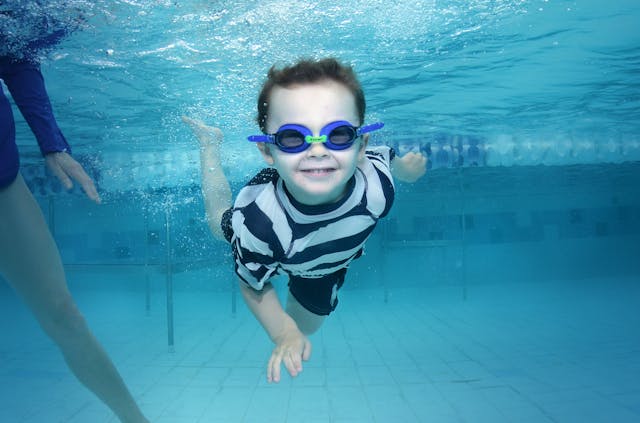
Helping children learn to swim at an early age is more than just introducing them to a new activity – it’s about equipping them with a life skill that can support their safety, confidence, and overall development. Starting early allows children to become comfortable in water and develop essential abilities that stay with them as they grow.
Baby swim programs are often the first step in this journey. These programs focus on building comfortability with water, encouraging movement, and helping children feel secure in a new environment. When introduced at a young age, swimming becomes a natural and enjoyable experience rather than something unfamiliar or intimidating.
Building Water Awareness from the Start
One of the biggest advantages of early kids swimming lessons is increased awareness around water. Children who are exposed to water environments early tend to understand how to react and behave more safely. They learn basic movements such as breath control, floating, propelling themselves in water to find the edge, and bouncing up from the bottom, which are important for safety.
This awareness doesn’t happen overnight. It develops through repeated exposure and guided practice. Over time, children begin to understand their limits and capabilities, which helps them stay calm and responsive in water.
Supporting Physical Development
Swimming engages multiple muscle groups and supports overall physical growth. For young children, water provides a low-impact environment where they can move freely without putting stress on their joints.
Activities like diving, turning, flipping, jumping, and floating help improve coordination, balance, and strength. These movements also contribute to better posture and motor skills. Early exposure to swimming can complement other physical activities and support a child’s overall fitness.
Boosting Confidence and Independence
Learning to swim at a young age can significantly boost a child’s confidence. As they become more comfortable in water, they gain a sense of achievement and independence.
Small milestones – like floating on their own or moving through water – build self-belief. This confidence often extends beyond swimming and influences how children approach new challenges in other areas of life.
Enhancing Cognitive and Sensory Skills
Swimming is not just physical – it also supports cognitive and sensory development. Being in water stimulates the senses and requires children to coordinate their movements with breathing and balance.
These experiences can improve focus, responsiveness, and spatial awareness. Structured swimming lessons also introduce routines, which help children develop listening skills and the ability to follow instructions.
Reducing Fear of Water
Children who are introduced to swimming early are less likely to develop fear around water. When exposure is gradual and positive, water becomes a familiar and comfortable environment.
This early comfort makes it easier for children to progress into more advanced swimming skills later. Instead of overcoming fear, they can focus on improving technique and building endurance.
Encouraging Healthy Habits
Swimming is a lifelong activity that promotes a healthy lifestyle. Starting early helps children view physical activity as a normal part of their routine.
It also encourages time away from screens and promotes active play. As children grow, swimming can remain a consistent and enjoyable way to stay active.
Preparing for Real-Life Situations
Knowing how to swim is an essential safety skill. It prepares children to handle unexpected situations around water, whether at a pool, beach, or other water environments.
While supervision is always important, having basic swimming skills adds an extra layer of safety. Children who can float, move, and stay calm in water are better prepared to respond if needed.
Building a Strong Foundation for the Future
Early swimming lessons create a strong base for advanced skills. Children who start young in programs such as newborn swimming lessons in Perth, often progress more smoothly because they are already comfortable in water.
In the later stages, kids swimming lessons help refine these early skills and introduce more structured techniques. This progression allows children to continue improving without feeling overwhelmed.
Final Thoughts
Learning to swim early is not just about skill development – it’s about building confidence, safety awareness, and a positive relationship with water. It supports physical, mental, and emotional growth in a way few activities can.
By introducing children to swimming at a young age and continuing with consistent practice, parents can help them develop a skill that will benefit them throughout life.