Table of Contents
- Why Dental Budgeting Matters
- Start With Preventive Care
- Review Coverage Before Booking Care
- Estimate Out-of-Pocket Costs Before Treatment
- Compare Payment Options Carefully
- Find Local and Public Resources
- Plan for Major Dental Work
- Questions to Ask a Dental Office
- Build a Simple Annual Dental Plan
- Final Thoughts
From small towns tucked into the mountains to busy communities along the Ohio River, West Virginia households often balance dental care with many other monthly expenses. Planning can make routine visits and unexpected treatment easier to manage. Families comparing coverage options can begin by reviewing Delta Dental of West Virginia alongside their current benefits, household budget, and preferred dental offices.
A dental budget does not need to be complicated. The goal is to schedule preventive care, understand what coverage may pay, ask for estimates before treatment, and keep a modest reserve for needs that arise during the year.
Why Dental Budgeting Matters
Dental expenses can feel less disruptive when they are considered throughout the year instead of only when pain or damage demands attention. Skipping an exam may mean a concern is not identified until it requires more involved care. A family might set aside a manageable monthly amount for cleanings, X-rays, copays, and an occasional surprise expense. Even a small dedicated savings category can provide more choices when treatment is recommended.
Start With Preventive Care
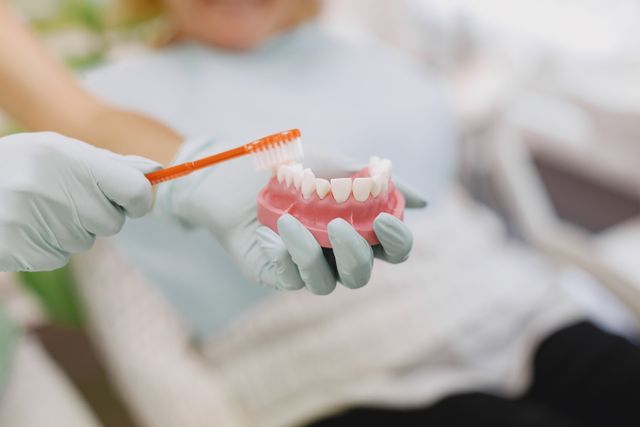
Routine exams and cleanings allow a dental professional to identify changes early. They cannot guarantee that a crown, root canal, or other procedure will never be needed, but regular care may help patients address problems sooner. At home, brush twice daily with fluoride toothpaste, clean between teeth as recommended, and limit frequent sugary drinks and snacks.
- Follow the visit schedule recommended by the dental professional.
- Keep records of cleanings, X-rays, treatment recommendations, and referrals.
- Ask whether children, older adults, or people with gum disease need a different schedule.
Review Coverage Before Booking Care
Coverage details affect the amount a patient may owe. Read the plan booklet or benefits summary, not just a brief description, before assuming a service is covered. Plans can differ by employer, eligibility, location, network, and treatment type.
Terms Worth Checking
- Premium: The regular cost to keep coverage active.
- Deductible: An amount the member may need to pay before some benefits apply.
- Coinsurance: The member’s share of the cost for a covered service.
- Annual maximum: The most a plan may pay during a benefit year.
- Exclusions: Rules that may limit when or whether a service is covered.
- Network status: Whether an office participates in the plan’s negotiated arrangement.
Estimate Out-of-Pocket Costs Before Treatment
Ask the dental office for a written treatment estimate that lists the recommended services. Request procedure codes or plain-language descriptions, the office’s standard fees, and the estimated patient portion. The office may also be able to submit a pre-treatment estimate to the plan, although an estimate is not a final guarantee of payment.
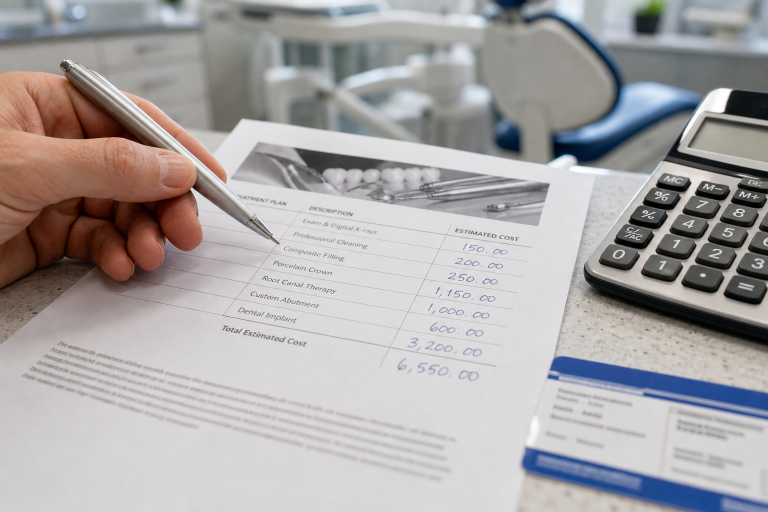
For example, if a fictional procedure costs $800 and a plan is expected to pay $500, the estimated patient cost is $300. If the patient has already reached the plan’s annual maximum, the amount owed may differ. Ask whether a clinically appropriate lower-cost option exists and budget for services that are excluded or only partly covered.
Compare Payment Options Carefully
There is no single best way to pay for dental care. The right choice depends on eligibility, expected needs, timing, and the total cost. Compare employer-sponsored coverage, individual plans, office payment plans, health savings accounts, flexible spending accounts, community clinics, and public programs where available.
Outside financing can make a large bill more manageable over time, but patients should review the annual percentage rate, promotional terms, late-fee rules, and total repayment amount before agreeing. A lower monthly payment can still cost more overall if interest applies.
Find Local and Public Resources
West Virginia residents who may qualify for public coverage should review the state’s oral health services information for current policy materials and benefit documents. Eligibility and covered services can change, so confirm details directly with the appropriate program or managed care organization before scheduling treatment.
Community health centers, local health departments, mobile clinics, and educational clinics may also provide screenings, referrals, or lower-cost services. Access can vary across the state, particularly in rural areas. Reporting on West Virginia’s dental access gap offers useful context for why calling early and asking about availability can matter.
Plan for Major Dental Work
For crowns, dentures, extractions, implants, orthodontic treatment, or other higher-cost care, price should not be the only factor in a decision. Ask why the treatment is recommended, what could happen if it is postponed, and whether treatment can be completed in stages. Request a written plan that includes follow-up visits, temporary materials, specialist referrals, and possible replacement costs. A second professional opinion may be useful for complex or costly treatment.
Questions to Ask a Dental Office
- Is the office accepting new patients, and does it accept my plan or benefit?
- What is the estimated total cost, and what may be due at the appointment?
- Can the office submit a pre-treatment estimate?
- Are payment plans available, and what fees or interest may apply?
- Are there clinically appropriate alternatives with a lower expected cost?
- Will another visit, X-ray, or specialist referral be needed?
- What are the likely consequences of delaying treatment?
Build a Simple Annual Dental Plan
- January: Review benefits, annual limits, and available account funds.
- Winter or spring: Schedule overdue exams and cleanings.
- Summer: Arrange children’s appointments before school schedules become crowded.
- Early fall: Review recommended treatment and obtain written estimates.
- Late fall: Check remaining benefits and schedule medically appropriate care before a possible benefit reset.
- All year: Maintain daily home care and contact a dental office promptly when symptoms appear.
Final Thoughts
A practical dental budget combines prevention, clear coverage information, written cost estimates, and early communication with a dental office. For West Virginia families, a short annual review and a realistic monthly savings goal can make routine care more manageable while reducing the stress of preparing for larger dental needs.