

Table of Contents
- Maintain Cleanliness
- Store Food Properly
- Seal Entry Points
- Eliminate Standing Water
- Manage Outdoor Space
- Use Natural Repellents
- Regular Inspections
- When to Seek Professional Help
Household pests can pose more than a simple nuisance. They often pose health risks, cause property damage, and create general discomfort in your living space. Luckily, simple preventive strategies and consistent upkeep can keep your home comfortable and pest-free. In South Carolina, where humidity and warmth can attract a variety of bugs, residents in the Lowcountry have access to Pest Control Charleston SC experts who can help when needed. This guide empowers you with practical, manageable steps to halt pests and maintain a healthy home environment.
Taking a proactive approach to pest control saves you stress and money in the long run. Even small actions, such as improving cleanliness and managing outdoor spaces, can make a significant difference. Learning to recognize signs early and when to seek professional intervention will further safeguard your home from infestations.
Preventing and handling pests is not just about reacting to a problem. It is about building a system that deters pests year-round. The following strategies encompass everything from daily cleaning routines to occasional inspections, ensuring your home remains inhospitable to unwanted guests.
Targeting vulnerabilities such as unsealed food, water accumulation, and cracks in your home’s structure will amplify your efforts and ensure the highest level of protection against common invaders. For more insight into best practices on food storage to minimize pests like ants and rodents, visit the advice from the U.S. Environmental Protection Agency.
Maintain Cleanliness
Keeping your living spaces clean is the cornerstone of any successful pest control program. Everyday practices like vacuuming carpets, sweeping floors, and wiping countertops remove crumbs and spills that attract pests such as ants, cockroaches, and mice. Be intentional with your cleaning efforts; it is easy to overlook spots under large appliances, behind trash cans, and inside cabinets. These locations often serve as perfect hiding and breeding sites for pests.
Grease and food residue around the stove and dishwasher might seem trivial, but they can serve as a valuable food source for pests. Promptly address spills, crumbs, and garbage, and get into the habit of taking out the trash regularly. Avoid leaving dirty dishes in the sink overnight.
Store Food Properly
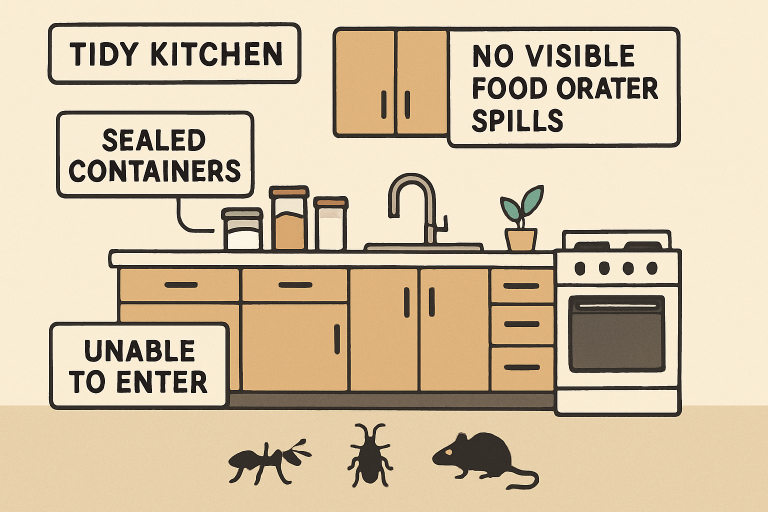
Proper food storage protects your pantry and kitchen from intruders. Move foods like flour, cereal, grains, pasta, sugar, and pet kibble into airtight containers. Plastic, glass, or metal containers with tightly sealing lids provide a much greater barrier to pests than paper or cardboard packaging. Make a monthly habit of cleaning the pantry, discarding expired items, and wiping down shelves to remove food dust and residue.
Remember that pests can detect even a tiny amount of food left out. Consistently refrigerate fruit during warmer months and avoid leaving food bowls out overnight for pets. These small adjustments make a big difference in reducing the attractants that draw pests inside your home.
Seal Entry Points
Many household pests capitalize on small cracks, gaps, and holes to enter your home. Inspect windows, doors, and the foundation annually. Use caulk to seal small cracks around window sills and in your attic or basement. Weatherstripping and door sweeps help block gaps under doors. Be sure to check vent screens for tears or holes and make repairs as needed. Even a gap the width of a pencil can be wide enough for a mouse to get through.
For larger holes or persistent entry points, consider using expandable foam, steel wool, or hardware cloth. These materials are especially useful for deterring rodents, which tend to chew through softer materials. By preventing pests from ever gaining access, you significantly reduce the likelihood of an infestation taking root.
Eliminate Standing Water
Water is just as enticing to many household pests as food. Leaky faucets, dripping pipes, and humid basements create ideal breeding grounds for cockroaches, mosquitoes, and even termites. Fix leaks as soon as they are discovered and dry out affected areas promptly. In your yard, check for standing water in potted plant saucers, gutters, and birdbaths, and empty them regularly.
Mosquitoes can breed in as little as a bottle cap’s worth of stagnant water, so monitor your outdoor spaces closely. Inside the house, use a dehumidifier in damp rooms and ensure good air circulation to keep moisture levels low.
Manage Outdoor Space
Your home’s exterior can play a big role in pest management. Piles of leaves, unmowed grass, and untrimmed shrubs give pests shelter and allow them to get closer to your home. Keep your lawn trimmed and dispose of yard waste regularly. Cut back branches and shrubs that touch your house because they create bridges for ants, rodents, and even squirrels.
Don’t forget about waste bins. Store outdoor garbage in tightly lidded cans and keep them away from entry points. Securing bins and keeping the surrounding area clean will help prevent raccoons and rodents from looking for food scraps outside your home. Learn more tips for managing your outdoor space from the experts at the U.S. Environmental Protection Agency.
Use Natural Repellents
Many people prefer natural repellents to minimize chemical exposure in their homes. Essential oils such as peppermint, lavender, and eucalyptus have been shown to deter a variety of insects. Mix a few drops of your chosen oil with water in a spray bottle and apply the solution near baseboards, window sills, and suspected entry points. Refresh sprays weekly for best results.
Other natural deterrents include vinegar and citrus peels, which ants and spiders dislike. You can simmer citrus peels in water, let the solution cool, and spray it in corners and cabinets. While these methods can help prevent infestations, persistent or large-scale pest problems will likely require stronger measures.
Regular Inspections
Set a seasonal schedule to check your home for droppings, gnaw marks, nesting material, damaged food packaging, and other signs of pests. Basements, attics, crawl spaces, and behind large appliances are common hotspots that warrant regular attention. Early detection is vital for effective pest management. Address any warning signs immediately by cleaning up and reinforcing your pest prevention measures.
Pay close attention to any evidence of wood damage or mud tubes, which may signal termites. These pests can cause significant structural damage if not addressed promptly. For DIY pest inspection tips and signs to look for, consult the U.S. Environmental Protection Agency’s resources.
When to Seek Professional Help
If you find that pests are recurring or an infestation is too extensive to handle on your own, do not hesitate to contact a licensed pest control service. Professionals bring extensive training, access to commercial-grade products, and in-depth inspection techniques that go beyond routine home care. They can identify specific pests and recommend targeted treatments that are safe for humans and pets, ensuring your problem does not return.
Persistent pest issues, unexplained property damage, or health warnings such as allergies or bites are all signs it is time to call for help. Professional pest management can restore your peace of mind and keep your home a safe and comfortable environment for everyone who lives there.


