Why Routine Residential Plumbing Maintenance Matters
Few things disrupt daily life and budget quite like a sudden plumbing emergency. A dripping faucet might seem minor, but it can quickly escalate into a costly repair or even significant water damage. Such incidents are not just an inconvenience; they can lead to sky-high utility bills and extensive home repairs.
Fortunately, many common plumbing issues are preventable. Proactive residential plumbing maintenance is key to keeping your home running smoothly. It helps prevent expensive repairs, reduces water waste, and protects your home’s structural integrity from hidden leaks and mold.
In this comprehensive guide, we will walk you through essential DIY maintenance tasks. We will cover everything from simple drain care and toilet checks to crucial water heater upkeep and seasonal pipe protection. We will also discuss when to tackle tasks yourself and when it’s wise to call in certified plumbing expertise for more complex issues. Our goal is to empower you with the knowledge to maintain a healthy plumbing system and enjoy long-term peace of mind.
The phrase “an ounce of prevention is worth a pound of cure” rings especially true for residential plumbing. Ignoring minor issues can quickly lead to significant problems, impacting not only your finances but also your home’s structural integrity and indoor air quality. Water damage, for instance, is consistently ranked as one of the most common homeowner insurance claims. It can stem from anything from a slow, hidden leak to a sudden burst pipe, potentially costing thousands of dollars in repairs and remediation.
Regular maintenance helps safeguard your home against these costly scenarios. By catching small issues like minor leaks or corrosion early, we can address them before they escalate into major emergencies. This proactive approach saves money on expensive emergency repairs and helps prevent the development of mold and mildew, which thrive in damp conditions created by undetected leaks. Mold not only compromises air quality but can also lead to serious health issues for residents. Consistent plumbing maintenance protects your investment, enhances your home’s value, and ensures a healthier living environment.
DIY Maintenance Task (Annual Cost Estimate) Emergency Plumbing Repair (Single Incident Cost Estimate) Drain cleaning (DIY supplies): $20-$50 Burst pipe repair + water damage remediation: $1,000-$10,000+ Water heater flush (DIY): $0-$10 Water heater replacement (emergency): $800-$2,500+ Leak detection (DIY supplies): $5-$15 Hidden leak repair + mold remediation: $500-$5,000+ Faucet/toilet repair (DIY parts): $10-$100 Faucet/toilet replacement (emergency): $200-$700+ Total Annual DIY Cost: $35-$175 Total Emergency Cost: $2,500-$18,200+ Water Pressure Optimization and Gauge Monitoring
Maintaining optimal water pressure is a critical,, aspect of residential plumbing maintenance. Water pressure that is too high or too low can indicate underlying issues and lead to significant problems. Typical safe residential water pressure ranges from 40 to 60 pounds per square inch (PSI). Pressures consistently above 80 PSI can put undue stress on your entire plumbing system, accelerating wear on pipes, fixtures, and appliances, leading to premature leaks and failures. Conversely, low water pressure can be a sign of clogs, pipe corrosion, or issues with your home’s main water supply.
We recommend regularly checking your home’s water pressure using an inexpensive pressure gauge, which can be easily attached to an outdoor hose bib or a laundry room faucet. If readings are consistently outside the ideal range, especially on the high side, consider installing a pressure-reducing valve (PRV). A PRV helps regulate incoming water pressure to a safe level, protecting your valves, faucets, and appliances from excessive wear and tear. This simple step can significantly extend the lifespan of your plumbing components and prevent costly repairs down the line.
Preventing Catastrophic Water Damage and Mold
The threat of catastrophic water damage often begins with a hidden leak—a slow drip behind a wall, under a floor, or even from a slab leak beneath your home’s foundation. These insidious leaks can go unnoticed for weeks or months, silently causing structural damage, fostering mold growth, and driving up water bills. Undetected leaks are a major contributor to poor indoor air quality, as mold spores released into the air can trigger allergies and respiratory issues.
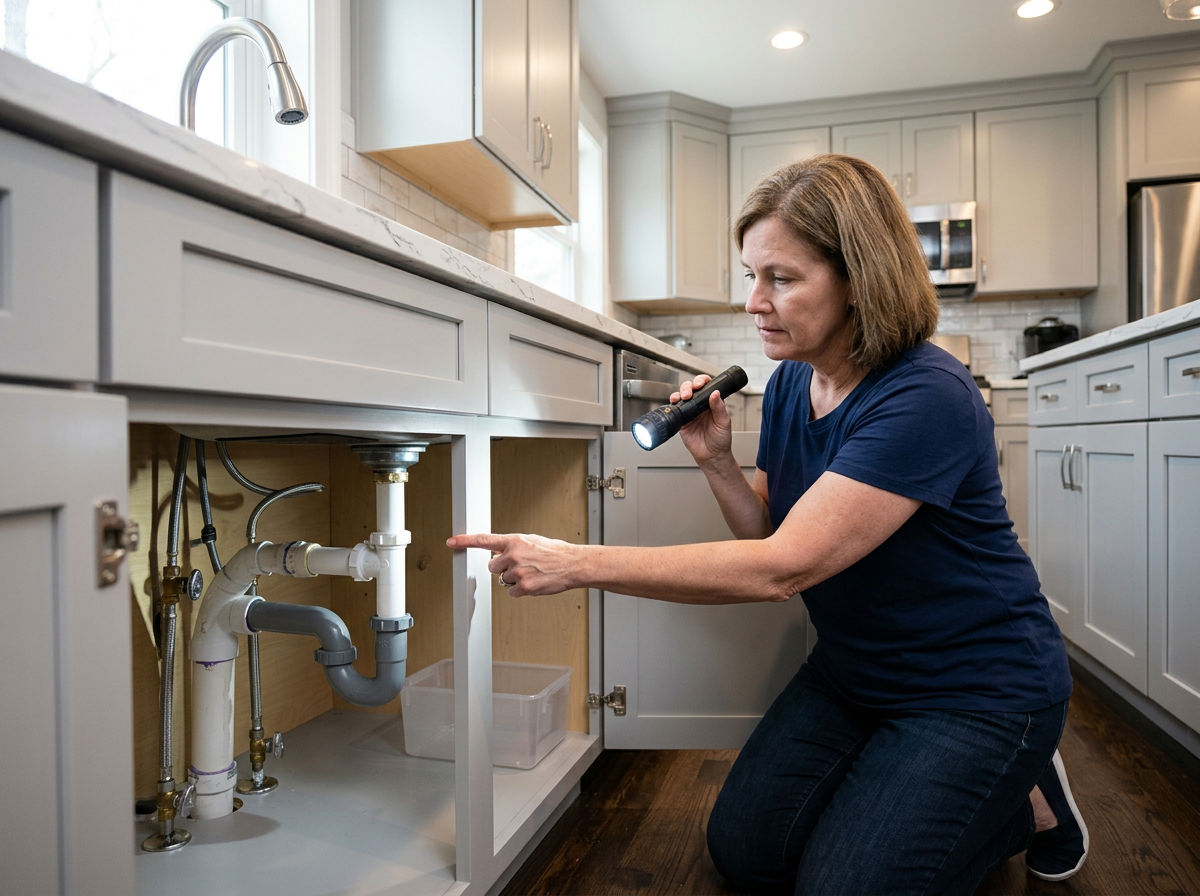
To prevent such scenarios, regular vigilance is key. We advise homeowners to conduct routine visual inspections of exposed pipes, under-sink areas, and around appliance connections for any signs of moisture, rust, or warping. Pay attention to musty odors, which can signal hidden mold. Testing your main water shutoff valve annually is also crucial; ensuring it operates freely can be the difference between a minor puddle and a flooded home during an emergency. For advanced protection, consider installing smart water leak detectors in vulnerable areas. These devices can alert you to moisture and even automatically shut off your home’s water supply in the event of a significant leak, providing an invaluable layer of defense against extensive water damage.
Room-by-Room Guide to Fixture and Drain Care
Effective plumbing maintenance starts with routine, room-by-room checks of your fixtures and drains. These simple visual inspections can help us identify potential issues before they become major problems, extending the lifespan of your plumbing components and preventing inconvenient disruptions. Look for any signs of corrosion, warping, or water droplets around pipe joints, faucet bases, and toilet connections. Even a tiny drip can indicate a slow leak that, over time, can lead to significant damage and water waste.
Kitchen and Bathroom Drain Management
Drains in kitchens and bathrooms are particularly prone to clogs due to the accumulation of hair, soap scum, grease, and food particles. A proactive approach to drain management can prevent slow drains and complete blockages. We strongly recommend using mesh strainers in all sinks, showers, and bathtubs to catch debris before it enters the plumbing system.
For routine cleaning and to address minor clogs, a mixture of baking soda and vinegar is a safe and effective alternative to harsh chemical drain cleaners. Chemical cleaners can corrode pipes over time and are generally not recommended. Simply pour a cup of baking soda down the drain, followed by a cup of white vinegar. Let it sit for 30 minutes to an hour (or even overnight for stubborn clogs), then flush with hot water. For garbage disposals, run cold water while operating, and periodically grind ice cubes and citrus peels to clean blades and freshen the drain. For more persistent clogs, a simple drain snake can often clear the obstruction without professional intervention.
Toilet Tank Maintenance and Hidden Leak Testing
Toilets are often silent culprits of water waste due to hidden leaks. A constantly running toilet can waste hundreds of gallons of water per day, leading to unexpectedly high utility bills. A common issue is a faulty flapper valve that no longer seals properly.
We can easily test for a hidden toilet tank leak using a simple food coloring test. Remove the toilet tank lid and add a few drops of food coloring (any dark color will do) to the water in the tank. Do not flush the toilet. Wait for about 15-20 minutes. If you see colored water appear in the toilet bowl, it indicates a leak from the tank into the bowl, typically due to a worn-out flapper or a misaligned fill valve. Replacing a flapper is a quick and inexpensive DIY fix. Should your toilet ever begin to overflow, the immediate action is to lift the tank lid and push down on the flush valve (the component that the flapper connects to) to stop the water flow, preventing a flood while you address the underlying issue. A toilet should never be used as a trash can; only human waste and toilet paper should be flushed to prevent clogs.
Showerhead Descaling and Supply Line Inspection
Over time, mineral deposits from hard water can build up in showerheads, reducing water pressure and affecting spray patterns. To restore your showerhead’s performance, we recommend descaling it periodically. This can be done by unscrewing the showerhead and soaking it in a solution of equal parts white vinegar and water for several hours or overnight. For showerheads that cannot be easily removed, fill a plastic bag with the vinegar solution and secure it around the showerhead with a rubber band, ensuring the head is submerged. After soaking, scrub away any loosened deposits and rinse thoroughly before reinstalling.
Equally important is inspecting the supply lines connected to your sinks, toilets, and appliances. These lines, often made of braided stainless steel, PVC, or copper, can degrade over time. Plastic (PVC) supply lines typically have a lifespan of 5-7 years, while braided stainless steel can last 10-15 years. Copper lines, if properly installed, can last 50 years or more. Regularly check these lines for any signs of wear, kinks, corrosion, or leaks. Pay particular attention to the connections at the fixture and the shut-off valve. If you notice any bulging, fraying, or dampness, it’s a clear sign that the supply line needs to be replaced immediately to prevent a burst and significant water damage. Also, ensure that the shut-off valves for each fixture are operational and can be easily turned off in an emergency.
Major Equipment and Seasonal System Upkeep
Beyond the daily care of fixtures, your home’s major plumbing equipment requires dedicated attention to ensure long-term functionality and efficiency. This includes your water heater, sump pump, and the entire system’s preparation for seasonal weather changes. These components are often out of sight, but their proper maintenance is crucial for preventing major system failures and protecting your home from significant damage.
Water Heater Flushing and Anode Rod Replacement
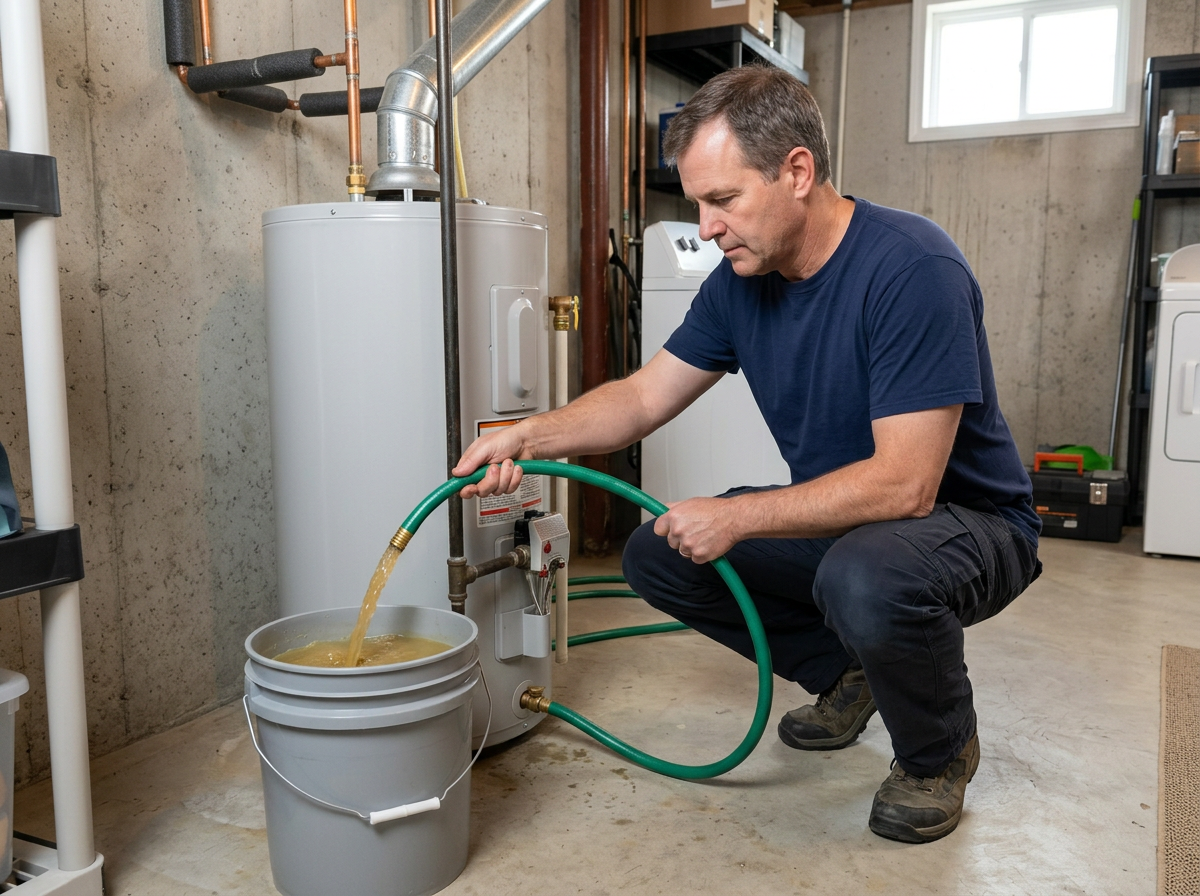
Your water heater is one of the hardest-working appliances in your home, and neglecting it can lead to reduced efficiency, costly repairs, or premature replacement. Over time, mineral sediment from your water supply can accumulate at the bottom of the tank. This sediment not only reduces heating efficiency, forcing the unit to work harder and consume more energy, but it can also cause “banging” noises and lead to premature tank corrosion and failure.
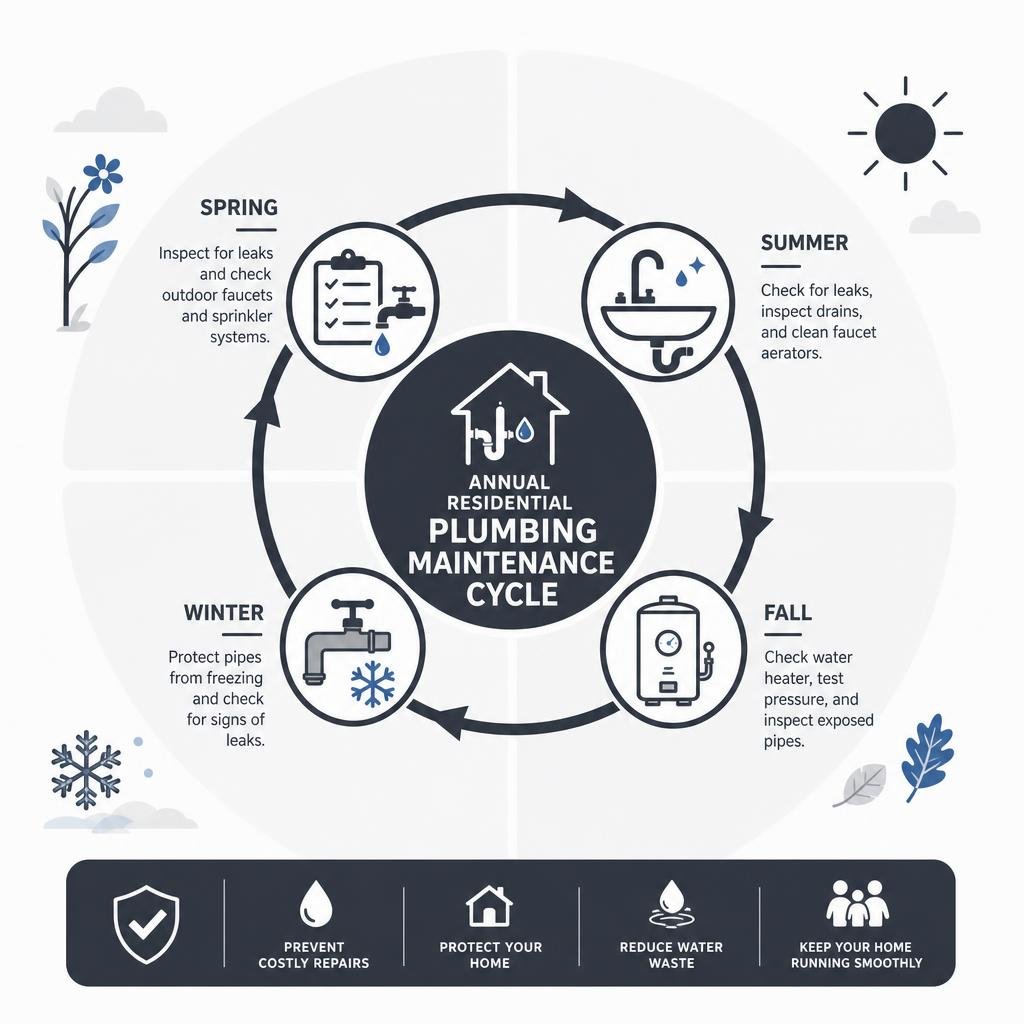
We advise flushing your water heater annually to remove this sediment. For homes with hard water, a semi-annual flush might be more beneficial. This process involves turning off the power/gas, shutting off the cold water supply, connecting a hose to the drain valve, and draining several gallons of water until it runs clear. Additionally, the anode rod inside your water heater acts as a “sacrificial” component, attracting corrosive elements away from the tank’s lining. Inspecting and potentially replacing the anode rod every five years or so (especially in hard water areas) can significantly extend the life of your water heater. Setting your water heater’s thermostat to 120°F is a good balance for safety and energy efficiency, reducing the risk of scalding while minimizing energy consumption.
Sump Pump Testing and Main Shutoff Valve Checks
For homes with basements or crawl spaces, a functioning sump pump is a critical defense against flooding, especially during heavy rains or spring thaws. We recommend testing your sump pump at least twice a year, and more frequently if you live in a flood-prone area. To test it, simply pour a bucket of water into the sump pit until the float switch activates. The pump should turn on, efficiently discharge the water through its outlet pipe, and then shut off automatically. Ensure the discharge line is clear of debris and directed away from your home’s foundation.
Equally important is regularly testing your home’s main water shutoff valve. This valve is your first line of defense in a plumbing emergency, allowing you to quickly cut off the entire water supply to your home. We recommend testing it annually by slowly turning it off and then back on to ensure it operates freely and isn’t seized. If your home has an older gate valve, consider upgrading to a more reliable ball valve, which offers a quicker and more secure shutoff. Labeling all shutoff valves clearly throughout your home can save precious time during a crisis.
Winterizing Pipes and Outdoor Spigot Care
As temperatures drop, preventing pipes from freezing and bursting becomes a top priority, particularly in colder climates. Exposed pipes in unheated areas like basements, crawl spaces, garages, or outside walls are most vulnerable. We recommend insulating these pipes with foam pipe sleeves or heat tape to provide an extra layer of protection. Sealing any air leaks or gaps around pipe penetrations in exterior walls can also prevent cold air from reaching vulnerable pipes.
Don’t forget your outdoor spigots, also known as hose bibs. Before the first hard freeze, disconnect all garden hoses, drain any remaining water from the spigots, and if your spigots have interior shut-off valves, close them and open the exterior spigot to drain any residual water in the line. For frost-free hose bibs, simply disconnecting the hose is usually sufficient, but verifying their functionality before winter is always a good practice. Keeping cabinet doors open under sinks on exterior walls can allow warmer indoor air to circulate, providing a small but effective measure against freezing pipes during extreme cold snaps.
When to Seek Professional Support for Complex Plumbing
While many plumbing maintenance tasks are well within the capabilities of a diligent homeowner, certain issues demand the expertise of a licensed professional. Knowing when to call in the pros can prevent further damage, ensure code compliance, and provide peace of mind.
Scheduling Professional Residential Plumbing Maintenance
Some plumbing problems present clear warning signs that professional intervention is necessary. Recurring drain clogs, especially in multiple fixtures simultaneously, often point to a main sewer line issue. Gurgling sounds from drains or toilets when other fixtures are in use can also indicate a blockage in the main line. Persistent low water pressure throughout the house, unexplained wet spots in your yard, or sewage odors can all signal serious underlying problems like a broken sewer line or a hidden slab leak. These complex issues require specialized tools, such as camera inspections for sewer lines or acoustic leak detection for slab leaks, which are beyond standard DIY capabilities.
For these more intricate concerns, or if you simply prefer to leave the heavy lifting to experts, scheduling regular professional plumbing assistance can be invaluable. Professionals can conduct thorough inspections, identify potential problems with specialized equipment, and perform maintenance tasks that ensure your entire system is in top condition. When facing such complex challenges, turning to professional plumbing assistance is a wise decision.
Long-Term System Longevity with Residential Plumbing Maintenance
Beyond addressing immediate problems, professional residential plumbing maintenance plays a crucial role in the long-term longevity and health of your entire plumbing system. While DIY efforts can manage daily wear and tear, a professional plumber can assess the overall condition of your pipes, identify signs of aging or corrosion that might necessitate future pipe replacement, and ensure your system meets current building codes. They can offer insights into the impact of your local water quality on your plumbing, suggest upgrades for efficiency, or advise on the optimal timing for major component replacements.
Investing in regular check-ups with a reputable company ensures that your plumbing system receives comprehensive care. This proactive approach helps prevent catastrophic failures, extends the lifespan of your infrastructure, and protects your home’s value. For thorough and reliable plumbing workmanship, consider consulting with professionals who can provide detailed assessments and expert solutions tailored to your home’s specific needs. Their expertise can save you from unexpected and costly surprises, ensuring your plumbing system remains robust for years to come.
Frequently Asked Questions About Residential Plumbing Maintenance
We understand that homeowners often have specific questions about how to best care for their plumbing systems. Here, we address some of the most common inquiries to help clarify best practices and empower you with knowledge.
How often should residential plumbing maintenance be performed?
The frequency of plumbing maintenance varies depending on the task and the component. We recommend an annual comprehensive plumbing inspection, which typically takes 2-3 hours for an average home, to catch slow-developing issues. Seasonal checks, especially before winter, are crucial for outdoor components and exposed pipes. Simple tasks like clearing mesh strainers should be done weekly, while flushing your water heater should occur annually (or semi-annually if you have hard water). Regularly testing shutoff valves and checking water pressure can be integrated into monthly or quarterly routines.
What are the earliest signs of a hidden plumbing leak?
Hidden leaks can be notoriously difficult to spot, but several early indicators can alert you to a problem. One of the most telling signs is a sudden, unexplained spike in your water utility bill. Another key indicator is monitoring your water meter: if the meter is moving even when all water fixtures and appliances in your home are turned off, it suggests water is flowing somewhere it shouldn’t be. Other subtle signs include persistent musty odors, particularly in areas like basements or under sinks, and any discoloration or damp spots on ceilings, walls, or flooring.
Why are chemical drain cleaners discouraged for pipe maintenance?
While chemical drain cleaners offer a quick fix for clogs, we strongly discourage their regular use. These harsh chemicals often contain corrosive agents that can damage your pipes, especially older PVC or metal pipes, leading to premature deterioration and leaks over time. They can also be hazardous to your health and the environment. Instead, we recommend using safer alternatives like the baking soda and vinegar method mentioned earlier, or a mechanical drain snake for stubborn clogs. For persistent or recurring blockages, it’s best to consult a professional plumber who can safely clear the drain without compromising your plumbing system.
Conclusion
Proactive residential plumbing maintenance is an investment that pays dividends in peace of mind, cost savings, and the longevity of your home. By integrating these simple, actionable steps into your routine, we can prevent costly emergencies, reduce water waste, and protect your home’s structural integrity from the damaging effects of leaks and mold. From regular drain care and toilet checks to essential water heater flushing and seasonal pipe winterization, each task contributes to a healthier, more efficient plumbing system.
Keeping a detailed maintenance log can help track your efforts and identify recurring issues, allowing for more targeted interventions. While many tasks are DIY-friendly, don’t hesitate to call in professional expertise for complex problems or annual comprehensive inspections. By taking charge of your plumbing maintenance today, you’re not just fixing problems; you’re actively preserving your home’s value and ensuring a comfortable, worry-free living environment for years to come.