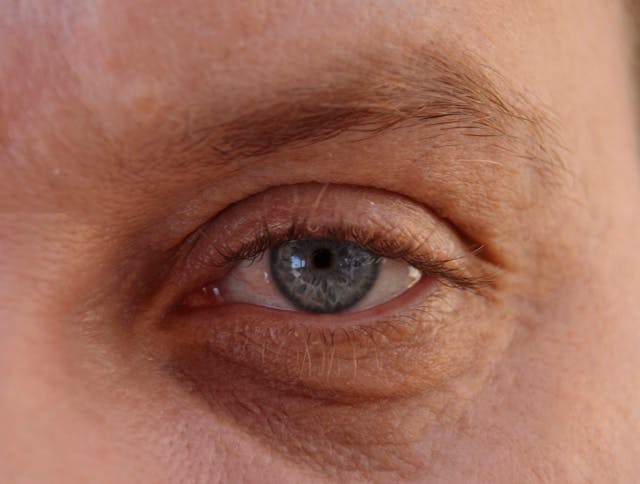
Have you ever noticed how the eyes can change the entire mood of a face? A slight lift makes you look alert. A bit of heaviness, and suddenly people ask if you’re tired. It happens gradually. One year your eyelids feel normal. A few years later, they seem to sit lower, softer, heavier.
The condition of droopy eyelids is more common than you’d guess. Reputable health information sources explain that this condition, often tied to age-related skin laxity, weakened eyelid muscles, or even nerve changes, becomes increasingly noticeable as we grow older. That heaviness isn’t always just about looks. It can affect how much you see, how your eyes feel at the end of the day, and how alert you appear to others.
In areas like Toms River, where people tend to prefer subtle refinements over surprising changes, questions about eyelid drooping usually start with curiosity rather than urgency. What’s causing this? Is it normal? And at what point does surgery make sense?
Let’s break it down clearly.
What Are Droopy Eyelids and What Causes It?
“Droopy eyelids” is a broad term people use to describe heaviness or sagging of the upper eyelid. Medically, it can refer to excess skin, weakened eyelid muscles, or a combination of both. The cause determines the solution.
Common causes include:
- Aging and Skin Laxity: Over time, the delicate eyelid skin loses elasticity and collagen. Gravity pulls the tissue downward, creating folds that can rest closer to the lashes.
- Muscle Weakness (Ptosis): The muscle responsible for lifting the eyelid may stretch or weaken, causing the lid itself to sit lower than normal. In some cases, this can partially obstruct vision.
- Genetics: Some individuals inherit hooded or heavy upper lids and notice drooping earlier in life.
- Fat Redistribution: Fat pads around the eyes can shift forward with age, creating puffiness that contributes to a sagging or weighed-down look.
When people start looking into blepharoplasty in Toms River, it’s rarely because they’ve already decided on surgery. It’s usually because something feels different, heavier, more tired, and they’re trying to understand whether it’s simply aging or something that can actually be improved.
In conversations with esteemed surgeons, like those at Ocean Plastic Surgery, the discussion often begins with simple observations rather than surgical plans. How much skin is truly excess? Is the muscle doing its job? Is vision being affected? Those small diagnostic details shape whether blepharoplasty is even appropriate, or whether reassurance is enough. Understanding the cause is the first step. Treatment should never be one-size-fits-all.
When Is Blepharoplasty Recommended?
Blepharoplasty is generally recommended when drooping eyelids move beyond mild cosmetic concern and begin affecting function, comfort, or facial balance.
Surgery may be appropriate if:
- Excess upper eyelid skin obstructs part of your visual field
- You constantly raise your eyebrows to see clearly
- Forehead tension or eye fatigue develops from compensation
- Skin folds cause irritation against the lashes
- Your eyes consistently appear tired or shadowed in a way that doesn’t reflect how you feel
In some cases, measurable vision impairment can make upper eyelid surgery medically necessary rather than purely elective. When the lid physically blocks part of your visual field, the issue shifts from cosmetic to functional. It’s no longer about looking refreshed, it’s about seeing clearly without constantly lifting your brows or straining your forehead muscles by the end of the day.
What the Procedure Actually Addresses
Upper blepharoplasty typically removes excess skin and may reposition or trim small fat deposits to restore a cleaner eyelid contour. If true ptosis is present, the lifting muscle may be tightened during the same procedure.
Lower blepharoplasty focuses more on reducing puffiness or tightening loose skin beneath the eyes. The goal isn’t to unrealistically change your eye shape. It’s to restore openness. When performed thoughtfully, the results look natural, refreshed rather than altered.
Recovery usually involves temporary swelling and bruising for a couple of weeks, with gradual refinement over several months.
How Do You Know It’s Time?
There isn’t a universal age for eyelid surgery. Some people consider it in their early 40s. Others much later. A few earlier, due to genetics.
You might consider scheduling a consultation if:
- You struggle to see clearly without lifting your brows
- Your upper lid skin rests on your lashes
- You feel persistent heaviness around your eyes
- Photos consistently show drooping that doesn’t match how you feel
A consultation provides clarity, not commitment. A qualified plastic surgeon can assess whether the concern is primarily cosmetic, functional, or a combination of both. Sometimes reassurance is enough, while sometimes surgery becomes a practical next step.
Conclusion
Droopy eyelids can result from aging, genetics, muscle weakness, or shifting fat, often a mix of all three. For some people, it’s a minor aesthetic change. For others, it affects vision and daily comfort in ways that are harder to ignore.
Blepharoplasty is recommended when that heaviness begins to interfere with how you see or how your face naturally rests. It’s less about looking younger and more about restoring balance and clarity.
If your eyes feel heavier than they should, the next step isn’t automatically surgery. It’s understanding the cause, and deciding, thoughtfully, whether correction aligns with your needs.