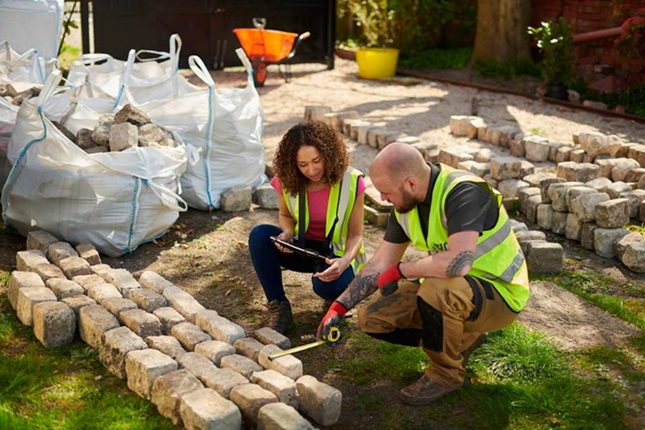
When planning any landscaping project, the choice of materials can make or break the outcome. Whether you’re reimagining a backyard, building a patio, or designing pathways, sourcing the right stone is a foundational step. But how do you choose a supplier who truly understands and provides for projects involving irregular flagstone and bulk materials? Let’s explore the essentials every homeowner, designer, or contractor should consider before selecting a landscape stone supplier.
Assessing Supplier Reputation and Product Range
One of the first steps in selecting a supplier is to research their reputation and evaluate their product selection. A reputable supplier will typically offer a wide range of natural stone options, including irregular flagstone, boulders, gravel, and decorative pebbles. Reviewing a supplier’s portfolio or visiting their website, such as stone center, can give you insight into the diversity and quality of their materials. Ingredient quality matters when choosing a supplier, as high-quality materials ensure durability, aesthetic appeal, and long-term satisfaction with your project. A supplier with an extensive catalog is more likely to have the specific type of stone you need, in the quantity required for your project.
Quality and Consistency in Bulk Materials
Landscape projects often require large volumes of material, especially when working with natural stone in bulk. Ensuring consistency in color, size, and texture is crucial for a harmonious result. When discussing your needs with a supplier, ask about their process for sourcing and sorting stone. Experienced suppliers are transparent about their quality control measures and can provide bulk materials that meet your specifications. If you’re a bulk landscaping stone contractor, consistency and reliability in deliveries become even more important to keep your projects on schedule and within budget.
Understanding Stone Types and Sourcing Locations
Different landscaping projects call for different types of stone. Irregular flagstone, for example, is prized for its organic shapes and unique patterns, making it ideal for patios and walkways. Other projects may require cut pavers, decorative gravel, or large boulders. A knowledgeable supplier should be able to explain the origins of each type of stone, its durability, and how it weathers over time. Local sourcing is often preferable, as it reduces both transportation costs and environmental impact, while ensuring the stone matches the region’s natural palette.
Checklist for Evaluating Landscape Stone Suppliers
Choosing the right supplier involves more than just comparing prices. Use this checklist to guide your decision:
- Product Variety: Do they offer the specific stones and materials you need?
- Quality Assurance: Is there a process for ensuring consistency in color, size, and texture?
- Sourcing Transparency: Can they provide details about where and how their stone is sourced?
- Bulk Supply Capacity: Are they equipped to handle large orders without delays?
- Customer Service: Is the team knowledgeable and responsive to questions?
- Sample Availability: Can you see and handle physical samples before committing?
- Delivery Logistics: Do they offer flexible delivery options to meet your project timeline?
- Environmental Practices: Are their sourcing and delivery methods environmentally responsible?
Reviewing these criteria will help you filter out suppliers who may not be up to the standards your project requires.
Matching Stone to Design Intent
The aesthetic impact of your landscaping project depends on the synergy between material and design vision. Suppliers who specialize in unique products like irregular stone pavers can guide you through the selection process, helping to match stone characteristics with your intended style. Consider how the texture, shape, and color of flagstone or other materials will integrate with plantings, hardscapes, and the overall environment. A collaborative approach with your supplier can lead to creative solutions that elevate the final result.
Logistics, Delivery, and Project Timelines
Timely delivery is essential, especially for larger projects that rely on coordinated schedules. Discuss logistics with potential suppliers: find out how they handle bulk shipments, what lead times are typical, and what happens in the event of weather delays or supply shortages. Reliable suppliers will outline their policies clearly, ensuring you can plan confidently and avoid costly interruptions. Also, inquire about storage and offloading options, as heavy stone materials often require special handling upon arrival at your site.
Sustainability and Ethical Sourcing
With increasing focus on environmental responsibility, many clients and contractors seek suppliers committed to sustainable practices. Ask about the quarrying methods, transportation efficiency, and efforts to minimize ecological impact. Suppliers who prioritize ethical sourcing can provide documentation or certifications attesting to their practices. This not only supports global environmental efforts but can also be a selling point if your project aims for green building standards or certifications.
Conclusion
Choosing a landscape stone supplier is a pivotal decision that influences the look, function, and longevity of your outdoor space. From verifying supplier reputation and product variety with resources to ensuring reliability for professionals, each factor plays a role in project success. Specialized offerings can help bring your design vision to life. By carefully evaluating quality, logistics, sustainability, and communication, you set the stage for a landscape that endures and inspires.