Dental care in early childhood often finds itself in the shadows, overlooked by parents and healthcare practitioners alike. Though it should command as much attention as vaccinations and nutrition, tiny teeth frequently go neglected until cavities become a painful reality. Addressing this blind spot in childhood health is imperative, given the profound implications for long-term well-being. Ensuring robust oral health at an early age makes a home for a lifetime of radiant smiles.
The Stark Reality of Tooth Decay
Children worldwide suffer from rampant tooth decay at alarming rates. According to health forums, dental cavities are among the most common health concerns affecting children today. With close ties to sugary diets, inadequate oral hygiene, and insufficient dental visits, it’s a phenomenon that demands urgency. Tooth decay in early childhood can pave the way for poor oral health throughout life, laying the groundwork for gum disease and eventual tooth loss. Addressing this early could save millions from future dental woes.
The toll taken by untreated decay extends beyond the mouth, influencing overall health and well-being. Children with significant dental issues often struggle with pain that affects their concentration and academic performance. The social aspect should not be underestimated either; visible tooth decay can impact a child’s self-esteem and peer interactions, leading to emotional consequences that last into adulthood. By recognizing the broader impact of dental neglect, parents can take more informed steps to protect their children.
Parental Involvement: A Non-Negotiable Currency
Parental involvement is the linchpin in ensuring children’s oral health. Even as children learn to care for their own teeth, parents must shoulder responsibility until brushing becomes a synchronized habit. Caregivers need to integrate dental care into daily routines, making it as habitual as bedtime stories. It’s worth noting that children who see their parents brush diligently are more inclined to mimic the ritual.
In cultivating a habit of regular dental visits, parents are urged to seek out reputable pediatric dentists to establish a comfortable routine for their children. Services such as those provided by a pediatric dentist Crown Point can offer specialized care in a child-friendly environment, making dental check-ups a less daunting experience.
The Role of Dentists in Early Detection
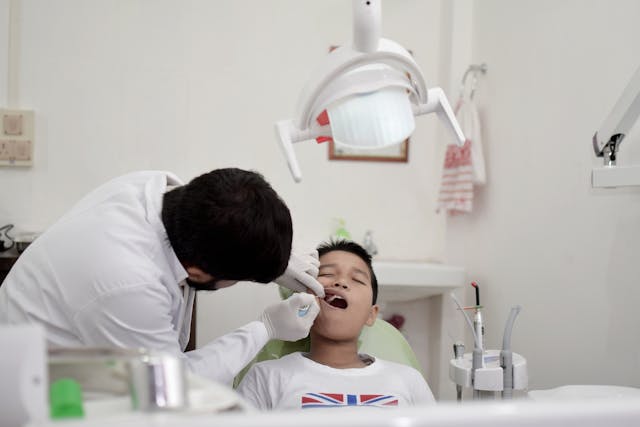
Routine dental visits are paramount yet underused. They are not merely occasions for cleaning, but opportunities for early detection of potential issues. Dental professionals provide insights into areas of improvement and identify problematic practices early on. Parents should schedule the first dental visit within a child’s first year, ensuring that dental health becomes a familiar routine, not a feared ordeal.
Nutrition: Not Just a Factor, but a Focus
The link between what children eat and the state of their teeth is undeniable. High consumption of sugary snacks and drinks is a major culprit, facilitating an acid-drenched environment perfect for cavity-causing bacteria. Yet, many children’s diets remain high in sugars, often hidden in seemingly innocuous treats. Introduce a more tooth-friendly diet comprising fibrous fruits, vegetables, and water. Educating parents on the perpetuating role of sugar is indispensable in breaking the cavity cycle.
Another element of diet that fosters dental empowerment is consistency. Regular mealtimes and controlled snacking can prevent extended exposure to sugary food, which exacerbates decay. It’s equally important to emphasize the role of calcium-rich foods, like dairy, in strengthening teeth. When children enjoy a diet balanced in these nutrients, the foundations for cavity resistance are laid, combining with brushing and dental visits to form a cohesive plan for healthier teeth.
Tools Beyond the Toothbrush
While the toothbrush remains a symbol of dental care, other tools play pivotal roles, including fluoride treatments and dental sealants. Fluoride is a proven ally in fortifying teeth against decay. Meanwhile, dental sealants provide a protective covering for molars, the unsung heroes in cavity prevention. Parents must allow dentists to wield these tools to safeguard their children’s smiles.
The Myth of Baby Teeth Being “Temporary”
The myth that baby teeth do not matter because they eventually fall and give way to permanent teeth is a misconception that badly needs dispelling. Milk teeth not only reserve space for adult teeth but also help with speech development and chewing. Losing them too early due to neglect can lead to misalignment and consequent orthodontic issues. Protecting baby teeth is a minimum standard in child dental care, not a novelty.
Learning to look after baby teeth sets the context for understanding the importance of oral hygiene later in life. The responsibility bestowed upon children to care for their bright little teeth is a lesson in personal hygiene that carries forward. It instills in them a sense of independence, encouraging them to take ownership of their well-being. This foundational aspect of self-care, when begun early, supports lifelong practices that see them preserving the health of both their primary and adult teeth.
Takeaways
Overlooking dental care in early childhood is a grievous oversight, but it can be rectified. Awareness, combined with proactive measures, has the power to overhaul the oral health narrative of the younger generation. It’s time to elevate dental health from its neglected position, acknowledging it as a cornerstone of overall child well-being. If we shift the paradigm, focusing on prevention over cure, the cavity epidemic among children can become a relic of the past.