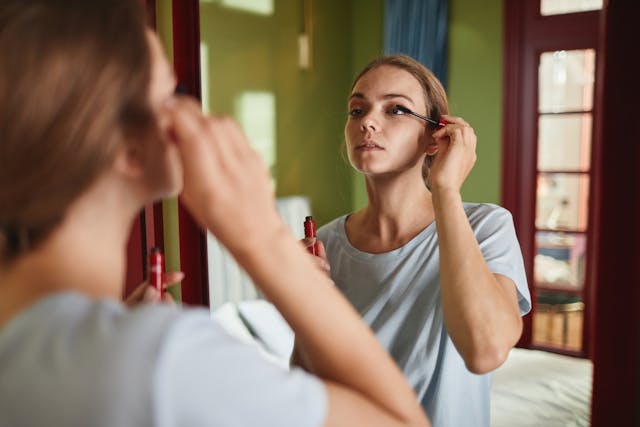
Lash clusters add volume and drama to any look, but removal can feel tricky. Many people worry about damage to their natural lashes or the discomfort that comes with stubborn adhesive. The good news is that anyone can remove lash clusters safely at home with the right approach.
The best way to remove lash clusters without damage is to soften the adhesive first with oil, steam, or a gentle cleanser, then slowly peel the clusters off from the outer corner while supporting the natural lash line. This method breaks down the bond without harsh tugging or pulling. Patience makes all the difference here.
This guide covers safe removal techniques that protect natural lashes and keep them healthy. Readers will learn practical steps for gentle removal, how to care for lashes afterward, and tips to prevent damage during the process. These methods work well at home and require only basic supplies that most people already have.
Best Practices for Safe Lash Cluster Removal
The removal process requires the right products, careful technique, and patience to protect natural lashes from damage. Oil-based removers work best to break down adhesive bonds, though alternatives exist for those without specialized products.
Choosing the Right Remover and Tools
An oil-based remover stands as the most effective option for dissolving lash adhesive. These formulas penetrate the polymer bonds without harsh pulling or rubbing. Professional lash removers contain solvents designed specifically to liquify adhesive while remaining gentle on the delicate eye area.
The tools needed for safe removal include micro-brushes or clean spoolies for application, cotton pads to catch fallen clusters, and fine-tipped tweezers for handling DIY eyelash clusters. A small glass bowl helps contain the remover during application. Some people prefer cleansing balms, which offer similar oil-based properties in a thicker consistency.
Isopropyl alcohol (70% or 90%) serves a different purpose. It sanitizes clusters after removal for potential reuse, but should not be applied directly to the eyes during the removal process. The alcohol can dry out natural lashes and irritate sensitive skin around the eyes.
Step-by-Step Lash Cluster Removal Instructions
Start with a warm, damp cloth pressed gently against closed eyes for 60 seconds. The heat softens the adhesive and prepares it to break down more easily.
Apply the oil-based remover to both the top and bottom of each cluster with a micro-brush. Focus on the base where the cluster meets natural lashes. Full saturation matters more than speed at this stage.
Wait at least 2 to 3 minutes for the solvent to work through the adhesive layers. Many people rush this step, which leads to pulling and potential lash loss. If any resistance occurs, apply more remover and wait another minute rather than tugging.
Wipe downward gently with a clean cotton pad. The clusters should slide off without force. Each cluster takes between 15 and 20 minutes total for safe removal. After all clusters come off, cleanse the eyelid thoroughly with micellar water designed for waterproof makeup to remove residual adhesive.
How to Remove Lash Clusters Without a Remover
Coconut oil or olive oil serves as an effective alternative to professional removers. These natural oils break down adhesive bonds through their lipid content. However, they work more slowly due to their thicker consistency compared to specialized formulas.
Apply the oil liberally to the cluster bases with a cotton swab. The process requires 5 to 7 minutes of contact time instead of the usual 2 to 3 minutes. Steam from a hot shower also helps soften the adhesive before oil application, which reduces overall removal time.
Some people use petroleum jelly, though this method takes the longest to work. The thick texture makes it harder to rinse away completely. A double cleanse becomes necessary to remove all residue from the lash line.
Cold cream offers another household option that contains enough oil to dissolve adhesive. Apply it as you would other oil-based products and allow adequate time for penetration.
Read Also: What Key Ingredients Actually Make an Eyelash Growth Serum Work?
Avoiding Common Removal Mistakes
Never pick at clusters with fingernails or pull them while the adhesive remains intact. This action causes traction alopecia, a type of hair loss from repeated pulling. The damage can create permanent gaps in the natural lash line over time.
Avoid rubbing eyes side to side during removal. This motion breaks natural lashes rather than simply releasing the clusters. Downward swiping motions align with the natural growth direction and prevent unnecessary stress on hair follicles.
Do not reapply a new set immediately after removal without proper cleansing. Residual adhesive and oils prevent the fresh bond from forming correctly. The new clusters will not last as long and may feel uncomfortable.
Skip the temptation to speed up the process by using more force instead of more time. Natural lashes cycle through growth phases, and pulling them out prematurely during the active growth stage means they take months to regrow. Patience protects the health and fullness of natural lashes better than any quick fix.
Maintaining Natural Lash Health After Removal
After you remove lash clusters, your natural lashes need proper care to recover and grow back strong. The right cleansing routine removes leftover adhesive, targeted nourishment supports regrowth, and understanding your lash cycle helps prevent future damage.
Cleansing and Residue Removal
The first step involves gentle but thorough cleansing to remove any adhesive residue left on the lash line. A soft cotton pad with an oil-free cleanser works best to dissolve remaining glue without harsh scrubbing. She should apply the cleanser along the lash line with light pressure and rinse with lukewarm water.
For stubborn residue, a dedicated eye makeup remover can help break down tougher deposits. The goal is to create a clean base for the natural lashes to recover. She must avoid vigorous rubbing or pulling, as this can weaken the lashes further.
Clean lashes twice daily for the first few days after removal to prevent buildup. This practice keeps the follicles clear and reduces the risk of irritation or infection. A clean lash line also allows better absorption of nourishing products applied later.
Nourishing and Strengthening Natural Lashes
Natural lashes benefit from direct nourishment after the stress of wearing clusters. Castor oil provides fatty acids that support hair structure and can be applied with a clean spoolie brush before bed. Just a small amount along the lash line helps moisturize both the lashes and follicles.
A lash serum with peptides and biotin delivers concentrated nutrients that support the natural growth process. She should apply these serums daily to the clean lash line for best results. Most quality serums show visible improvement within four to six weeks of consistent use.
She needs to avoid heavy eye makeup for at least two weeks after removal. This break allows the lashes to breathe and recover without additional weight or stress. If makeup is necessary, water-based formulas are gentler and easier to remove than waterproof versions.
Lash Growth Cycle and Preventing Damage
The natural lash cycle includes three phases: growth, transition, and rest. Each lash completes this cycle in about 60 to 90 days. After cluster removal, lashes may appear sparse because some were already in the shedding phase but stayed attached to the extensions.
Heavy or improperly applied lash clusters can cause traction alopecia, a condition where repeated pulling damages the hair follicles. This type of damage may slow or stop lash growth in affected areas. She should wait at least six to eight weeks before reapplying any eyelash extensions to give follicles time to recover.
During recovery, she must handle the eye area with care. Pat dry instead of rubbing after face washing. Avoid eyelash curlers for at least a month, as they can snap weakened lashes. The gentler her approach, the faster her lash health will return to normal. Most people see full recovery within two to three complete growth cycles if they follow proper aftercare.
Conclusion
The best way to remove lash clusters involves patience and gentle methods that protect natural lashes. Warm water, steam, or natural oils like coconut or olive oil effectively break down adhesive without harsh chemicals. The key is to soften the bond first, then carefully peel the clusters from the outer corner inward while supporting the lash line.
People should never pull or tug at clusters that resist removal. Instead, they can reapply their chosen method and wait a bit longer. After removal, a gentle cleanse removes any leftover adhesive and prepares lashes for proper aftercare.