Key Takeaways
- Heat pumps provide both heating and cooling, delivering high energy efficiency.
- Upgrading to a heat pump can substantially lower household energy bills and reduce carbon emissions.
- Financial incentives and rebates are widely available to help offset the initial installation cost.
- Professional installation and routine maintenance are critical for ensuring heat pump longevity and optimal efficiency.
Enhancing your home’s energy efficiency is essential for reducing both monthly utility bills and overall environmental impact. One of the most effective upgrades modern homeowners can consider is installing a heat pump. Not only does this technology provide both heating and cooling for year-round comfort, but it also uses far less energy than most traditional systems. For families interested in lowering energy costs without sacrificing indoor comfort, heat pump installation for your home in Ontario is a forward-thinking solution that provides both immediate and long-term benefits.
Heat pumps work by transferring heat between indoors and outdoors, delivering high efficiency year-round. Compared with conventional furnaces and air conditioners, heat pumps use significantly less electricity, making them an efficient and sustainable choice for most climates. This energy-conscious technology not only reduces household energy consumption but also offers measurable financial benefits each month.
Switching to a heat pump system can be a game-changer for many households. By adopting this technology, homeowners minimize their reliance on fossil fuels and contribute to a cleaner environment. Not only are operational costs lower, but consumers will also see a reduction in their carbon emissions, helping to create a greener future for all. As more homeowners explore their clean energy options, information about heat pump installation services in Ontario becomes increasingly essential for making informed decisions.
Federal, provincial, and local governments recognize the benefits of heat pump technology and have responded with a variety of incentives and rebates. These programs make it easier for more families to access energy-efficient heating and cooling, while accelerating the shift toward sustainability across communities.
Understanding Heat Pumps
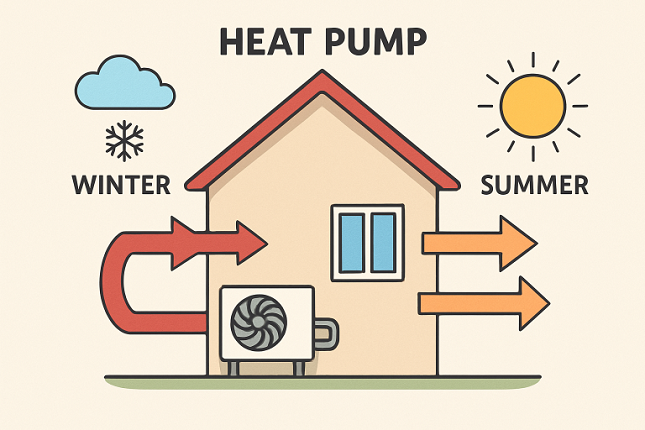
Heat pumps use electricity to transfer heat rather than generate it through combustion or resistance. In the colder months, a heat pump extracts heat from the outdoor air or ground and transfers it indoors. Conversely, during summer, the system removes heat from inside the house and releases it outside. This dual-function unit replaces both a furnace and an air conditioner, providing homeowners with a versatile, efficient single solution.
With advancements in heat pump technology, modern units operate effectively even in colder climates. Industry experts, such as the U.S. Department of Energy, note that properly installed heat pumps can deliver three times as much heating energy as the electrical energy they consume, making them an attractive choice for efficiency-minded homeowners. For further details, refer to the U.S. Department of Energy’s guide on heat pump systems.
Energy Efficiency and Cost Savings
On average, heat pumps can reduce household energy use by 31% to 47% compared to older, less efficient models. This translates to meaningful energy bill savings over time, making the upfront investment worthwhile. According to resources from the National Renewable Energy Laboratory, households switching to heat pumps can drastically cut annual costs, especially when paired with existing insulation upgrades and smart thermostats.
Besides cost, energy efficiency also improves home comfort. Air is distributed evenly, reducing hot or cold spots and maintaining a consistent temperature throughout the rooms. Over the long run, these systems can result in lower maintenance needs and fewer breakdowns than traditional furnaces and AC units.
Environmental Impact
Heat pumps are lauded for their capacity to reduce greenhouse gas emissions. Because they move heat rather than generating it through fossil fuels, homes with heat pumps emit fewer pollutants. The International Energy Agency estimates that widespread adoption of heat pumps in the residential sector could significantly reduce carbon emissions. These dramatic improvements highlight the role of heat pump technology in broader climate change mitigation efforts, as detailed by the International Energy Agency.
Incentives and Rebates
Governments and utility providers promote heat pump adoption by offering generous financial incentives. At the federal level, homeowners may qualify for a tax credit covering 30% of system and installation costs, up to $2,000 per year for qualifying systems. Additionally, Ontario homeowners can benefit from provincial and utility-specific rebate programs, with some local rebates reaching up to $7,500 for heat pump installation. These incentives make it easier for families to adopt superior, energy-saving technology without straining their budgets. For more information, visit Enercare’s rebate page.
Installation Considerations
Achieving the full potential of a heat pump depends heavily on proper installation. Homeowners are advised to hire certified professionals who can evaluate the unique size, layout, and insulation characteristics of each home. A professional installer ensures that the system is placed and configured to achieve maximum efficiency and long-term reliability. This also helps avoid common pitfalls that can degrade system performance or shorten its lifespan.
Maintenance and Longevity
Periodic maintenance is essential for keeping a heat pump running efficiently and extending its operational life. Annual inspections by HVAC professionals are recommended, along with regular filter cleaning or replacement. Routine care enables homeowners to identify minor issues before they become major problems, helping maintain peak system performance. When well-maintained, many heat pumps provide reliable service for 15 years or longer.
Conclusion
Heat pump installation presents a substantial opportunity for homeowners seeking greater comfort, lower energy bills, and a smaller environmental footprint. Supported by a growing list of incentives and proven energy savings, these systems stand out as one of the best investments for sustainable home improvement. Whether installing a new system or upgrading an older one, a properly selected and maintained heat pump can provide year-round benefits for families in Ontario and beyond.