Key Takeaways
- Sealing air leaks around windows helps prevent unwanted drafts and reduces energy loss.
- Installing Low-E coatings and window films boosts window insulation and overall thermal performance.
- Strategic use of window treatments and outdoor shading significantly moderates indoor temperatures year-round.
- Consistent maintenance is crucial for long-term energy efficiency benefits from your windows.
Reducing your home’s energy consumption is not just about saving money on utility bills. It is an opportunity to create a healthier, more comfortable living space for your family. Windows often serve as crucial points of energy transfer, making them a natural focus for energy-efficiency upgrades. Homeowners can reduce heat loss and maintain indoor temperatures by implementing effective improvements. If you are considering major updates, services like window replacement Dallas, TX can offer professional support tailored to your needs and location.
Windows account for a significant portion of heat gains and losses in most homes. Simple actions and smart investments pay dividends in comfort, energy savings, and even property value. Whether you are addressing drafty windows or planning a full upgrade, understanding the best methods for improving energy efficiency can help you make informed decisions.
As energy costs continue to rise and environmental concerns grow, focusing on window energy efficiency is a practical way for homeowners to make a positive impact. Not only does this lead to lower bills, but it also promotes a more sustainable household model, benefiting both your wallet and the environment.
Insulating your windows will also enhance your family’s comfort, reduce strain on your HVAC system, and potentially increase your home’s appeal to future buyers. Whether your motivation is savings or sustainability, efficient windows are a fundamental part of a responsible home.
Seal Air Leaks Around Windows
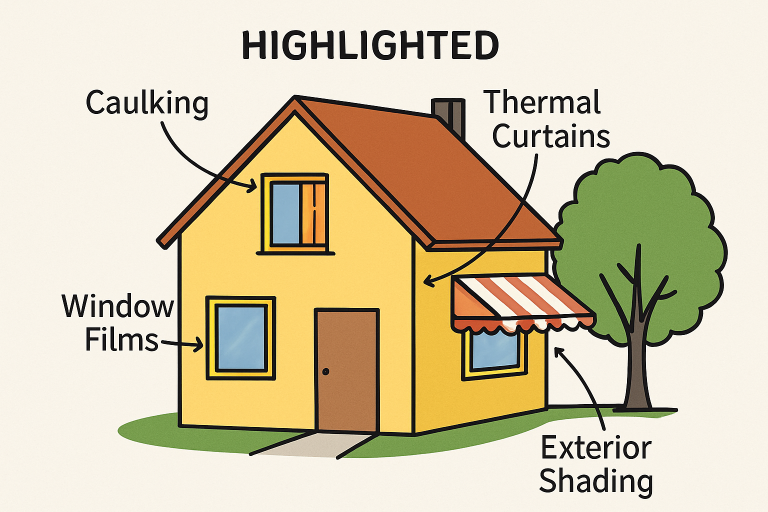
One of the most common culprits of energy loss is air leakage around window frames. Over time, weatherstripping can wear down, leading to small gaps or cracks, especially in older homes. Sealing these leaks is a straightforward and affordable project that yields immediate results. Caulk, weatherstripping, and foam tape are widely available and can be easily installed by homeowners. For especially drafty or complex windows, a professional inspection may reveal underlying issues that can be remedied for lasting benefits. According to the U.S. Department of Energy, addressing window leaks can reduce heating and cooling energy use by 25 to 30 percent.
Apply Low-E Coatings
Low-emissivity (Low-E) coatings are microscopically thin, virtually invisible metallic layers applied to glass surfaces. These coatings are engineered to reflect infrared heat, keeping it inside your home in winter and outside during summer while allowing visible light to pass through. Windows treated with Low-E coatings maintain more stable indoor temperatures and reduce reliance on your heating and cooling systems. The installation process is typically handled by window professionals, although some films are available for DIY projects. Low-E technology is now a common feature of modern window manufacturing due to its superior performance, as detailed by the U.S. Department of Energy.
Install Window Films
Window films are another highly effective solution for energy savings, particularly in areas with intense sunlight or heat. These transparent or tinted layers adhere directly to window glass, enhancing insulation by blocking a significant portion of solar radiation. Many window films also offer UV protection, which prolongs the life of your furniture, carpets, and drapes. With professional or DIY options available, window films provide a relatively low-cost way to upgrade the efficiency of older windows until you are ready for a full replacement.
Use Window Treatments
Window treatments such as thermal curtains, insulated shades, or reflective blinds can provide a valuable extra layer between your living space and exterior conditions. Each type serves a unique role in temperature regulation. During winter, keep drapes open during daylight hours to allow sunlight to naturally heat your home, then close them at night to retain warmth. In summer, close shades or blinds during peak sunlight to block unwanted heat, reducing reliance on air conditioning. Simple behavioral adjustments can enhance the impact of your window treatments year-round.
Add Exterior Shading
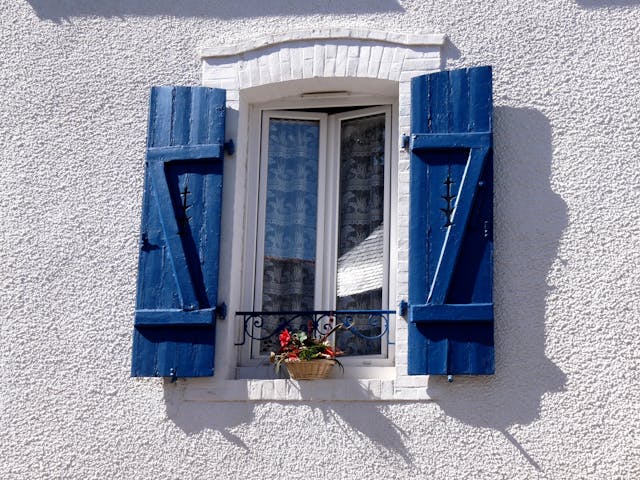
Installing external shading devices is a proactive outdoor solution for window efficiency. Options such as awnings, shutters, and strategically planted trees or shrubs can shield windows from direct sunlight, decreasing indoor temperature spikes during the summer months. Not only do these exterior solutions reduce your cooling load, but they also add curb appeal and value to your property. Trees and landscaping can provide lasting, eco-friendly shade for decades, making this a smart long-term investment.
Upgrade to Energy-Efficient Windows
If your home’s windows are outdated or inefficient, replacing them with modern, energy-efficient alternatives is a worthwhile investment. Look for features such as double- or triple-glazing, inert gas fills (such as argon or krypton) between panes, and high-quality frames made from vinyl, fiberglass, or wood composites. These designs boost insulation, reduce outdoor noise, and offer advanced weather resistance. Though upgrading windows involves a higher upfront cost, homeowners can benefit from improved comfort, reduced energy costs, and a higher resale value over time.
Regular Maintenance
Regular inspection and maintenance help keep your windows operating at peak performance. Clean window tracks, lubricate moving parts, and fix any broken panes, locks, or damaged seals. Addressing smaller issues before they become major repairs will extend the life of your windows. Annual maintenance checks, especially before winter and summer, help ensure your windows stay draft-free and provide reliable insulation regardless of the outside temperature.
Final Thoughts
Boosting window energy efficiency is an accessible and effective way to reduce overall household energy consumption. By sealing leaks, applying efficient coatings, using the right window treatments, adding exterior shading, and upgrading or maintaining your windows, you can create a more comfortable, eco-friendly, and cost-effective home. Adopting these practices not only lowers your utility bills, but it also helps reduce your environmental footprint for years to come.