Key Takeaways
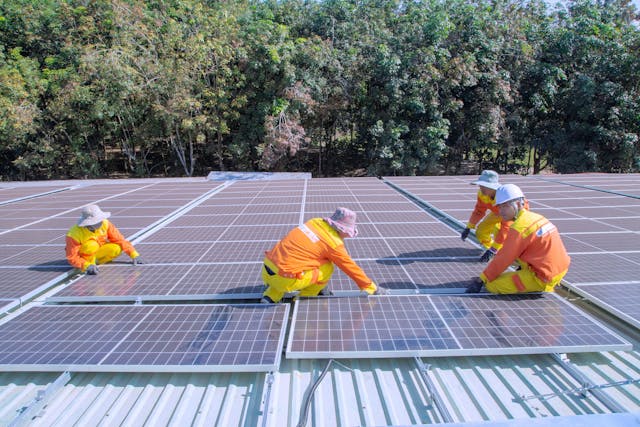
- Green energy includes a wide range of sustainable power sources such as solar, wind, hydropower, geothermal, and biomass.
- Transitioning to renewable energy is accessible to both homeowners and businesses, with solutions tailored to different needs and locations.
- Adopting green energy reduces environmental impact, lowers carbon footprints, and often provides long-term savings on utility bills.
- Expert consultation and research into incentives or rebates can help make the switch to renewables cost-effective.
Table of Contents
- Understanding Green Energy
- Solar Power: Harnessing the Sun
- Wind Energy: Capturing the Breeze
- Hydropower: Utilizing Water Flow
- Geothermal Energy: Tapping into Earth’s Heat
- Biomass Energy: Organic Material Conversion
- Making the Right Choice
- Final Thoughts
Understanding Green Energy
Green energy encompasses all forms of power generated from renewable natural resources. Unlike traditional fossil fuels, green energy sources like solar, wind, and water offer solutions that produce minimal pollution and help tackle climate change. Whether you are a homeowner or business leader, adopting these alternatives not only lessens environmental impact but also promotes energy independence. For those looking to take the first step, exploring reputable providers such as Indra Energy can connect you to clean energy options tailored for your unique needs.
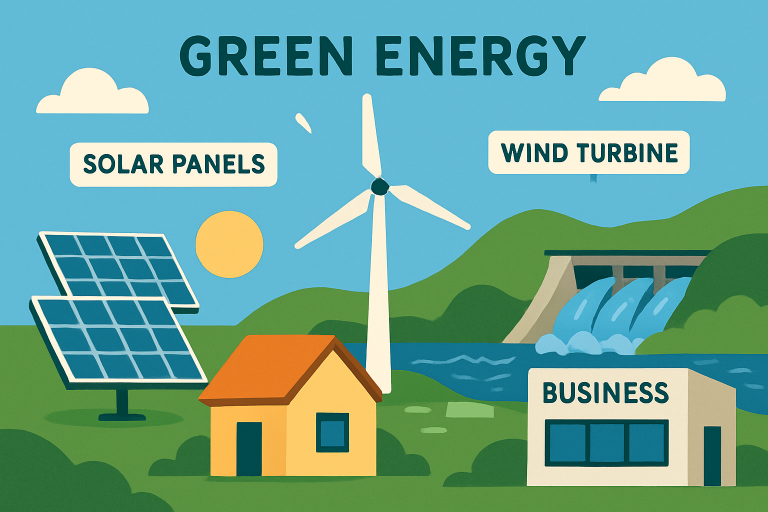
Making the switch to green energy means tapping into resources that are naturally replenished and abundant. Solar energy harnesses the sun’s power, wind turbines capture air movement, hydropower utilizes flowing water, geothermal energy uses the Earth’s heat, and biomass converts organic waste into usable energy. Each has its own set of pros, considerations, and best use cases for both residential and commercial customers.
Today’s consumers are more informed than ever about the need to reduce their carbon footprint. According to the U.S. Environmental Protection Agency, using renewable energy significantly reduces emissions associated with electricity generation. As a result, more households and organizations are prioritizing sustainable choices that benefit both their operations and the wider environment.
In addition, community-driven innovation continues to expand the reach of green energy. Local projects, shared solar farms, and grassroots wind initiatives all contribute to the democratization of clean energy, ensuring those who rent or lack suitable rooftops can still participate in renewable solutions. With advancements in technology and financing options, it’s never been easier for individuals and companies to embrace a cleaner future.
Hydropower: Utilizing Water Flow
The movement of water has generated power for decades, but today’s hydropower technology is more sustainable and environmentally conscious. While large dams still supply vast quantities of renewable energy, small-scale micro-hydro systems present an opportunity for rural property owners with streams or rivers. Hydropower delivers consistent electricity production with a relatively low carbon footprint, making it a valuable component of a balanced green energy portfolio. However, careful evaluation is needed to mitigate impacts on local waterways and ecosystems, as National Geographic notes.
Geothermal Energy: Tapping into Earth’s Heat
Geothermal energy harnesses the Earth’s constant internal temperature, providing heating and cooling through underground heat-exchange systems. Although upfront installation costs are significant, the year-round efficiency and minimal environmental impact often translate to long-term savings and reliable comfort for both homes and commercial facilities. In areas with available geothermal resources, this technology is setting the standard for sustainable temperature regulation.
Biomass Energy: Organic Material Conversion
Biomass technology converts organic waste, ranging from wood chips to agricultural byproducts, into energy through combustion or biogas production. For businesses, particularly in the agriculture sector, this approach not only disposes of waste sustainably but also generates heat, electricity, or even transportation fuels. Biomass helps close the loop on resource management and supports a circular economic model where waste becomes an asset.
Making the Right Choice
Choosing the appropriate green energy source is a highly individualized process. Important criteria include location (e.g., available sunlight or wind), budget, and energy consumption patterns. Consulting experienced energy professionals can help identify the optimal fit for your property and goals. Additionally, many state and federal programs provide rebates and incentives that significantly reduce the initial investment required for clean energy upgrades.
Final Thoughts
Adoption of green energy is not just a trend; it’s a commitment to a resilient and sustainable future. Homes and businesses that invest in renewables not only reduce their own environmental impact but also contribute to broader shifts in energy production and use. By staying informed, seeking expert advice, and taking advantage of financial incentives, transitioning to clean power is within reach for nearly everyone, paving the way for reduced emissions, energy savings, and a cleaner planet for generations to come.