Want to know how to transform dull classrooms into vibrant learning spaces?
Every school wants more engaged, focused and enthusiastic students. After all, happy learners means:
- Better grades
- Improved social skills
- Increased retention
Here’s the issue…
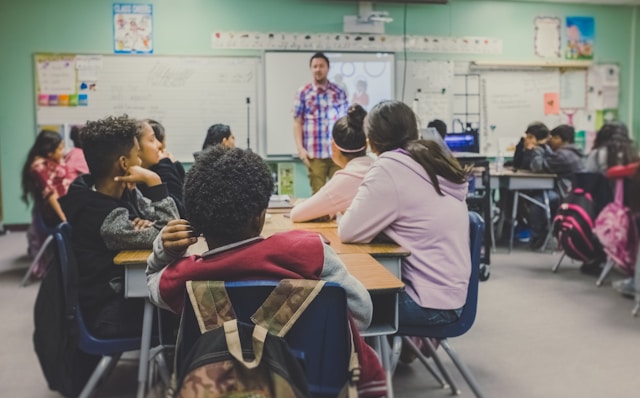
Sticking kids in stiff, fixed seating arrangements kills off engagement. Rows upon rows of uncomfortable chairs facing forward… It’s a breeding ground for distracted, disengaged kids eager to get out.
Without dynamic seating options, students simply can’t reach their full potential.
The answer? Creating collaborative learning spaces with flexible soft seating choices that put students at the centre of their own learning journey.
In this article, we’ll cover:
- Why School Soft Seating Options Matter More Than You Think
- The Science Behind Collaborative Learning Environments
- How to Design Dynamic Learning Spaces
- Best Practices for Implementing Flexible Seating Solutions
Why School Soft Seating Options Matter More Than You Think
The way students sit has a huge impact on how they learn. Research by University of Washington found that active learning boosts grades by half a letter compared to traditional lecture-style methods.
But here’s the kicker…
Traditional classroom set-ups actually work against this. When students are trapped in rigid rows they can’t easily collaborate, move around or choose learning positions that suit their individual needs.
That’s where school soft seating options come into play.
Quality modular sofa seating allows students to reconfigure their learning environment for the activity at hand. Need to work in pairs? Simply move the pieces together. Time for individual reflection? Students can create their own cozy nook.
And the results speak for themselves…
Studies show flexible classroom seating has positive effects on attention, motivation, engagement and task appropriate behaviour. Students in these environments report greater comfort, increased focus and reduced anxiety.
Pretty cool right?
The Science Behind Collaborative Learning Environments
Here is a little secret most educators don’t realize…
The physical environment is just as important as the teaching method when it comes to student success.
Research shows collaborative learning environments lead to better academic performance. But here’s what’s really interesting – only 20% of learning professionals actually implement collaborative learning with any regularity, despite 80% saying it’s important or essential.
Why the disconnect?
Simple: Traditional classroom set-ups make collaboration difficult.
If students are trapped in rigid desk arrangements, natural interaction is nearly impossible. They have to twist around awkwardly to face each other, can’t easily share resources, and feel disconnected from their peers.
But when you introduce dynamic soft seating options, everything changes…
Students can naturally form groups, face each other comfortably, and create intimate learning circles that facilitate discussion and collaboration. The furniture adapts to them, not the other way around.
How to Design Dynamic Learning Spaces
Designing effective collaborative learning areas isn’t rocket science, but there are some key principles you need to follow.
Here’s what works…
Create Flexible Zones
Your learning space should have multiple areas that serve different purposes:
- Quiet reflection zones with comfortable individual seating
- Small group collaboration areas with modular pieces that can be rearranged
- Large group discussion circles for whole-class activities
- Standing work areas for kinesthetic learners
The beauty of quality soft seating is that these zones can overlap and change throughout the day. The same space might serve as a reading corner in the morning, a group project area in the afternoon.
Prioritise Movement and Choice
Students learn better when they can move around and choose positions that work for them.
Some students focus better when slightly elevated on a cushioned ottoman. Others prefer to sprawl on floor cushions. Some need the back support of a soft chair.
By offering different seating heights, textures and configurations you’re acknowledging that each student has unique learning preferences and needs.
Consider Traffic Flow
Don’t just randomly place furniture around the room…
Think about how students will move through the space. Create clear pathways between different zones. Make sure collaborative areas don’t block access to resources or create bottlenecks.
The goal is smooth natural movement that supports learning not disrupts it.
Best Practices for Implementing Flexible Seating Solutions
Ready to transform your learning environment? Here’s how to do it right…
Start Small and Build
You don’t need to overhaul your entire classroom overnight.
Begin with one collaborative zone using modular soft seating pieces. Allow students and teachers to get comfortable with concept before expanding.
This approach allows you to:
- Test what works in your specific space
- Build buy-in from skeptical faculty
- Refine your approach based on real feedback
- Manage budget constraints effectively
Set Clear Expectations
Flexible seating isn’t a free-for-all…
Students need to understand that with choice comes responsibility. Establish clear guidelines about:
- Respectfully moving and arranging furniture
- When different seating options are appropriate
- Caring for and maintaining soft furnishings
- Expectations for focus and engagement in each zone
Choose Quality Over Quantity
Crucial point…
Cheap flimsy furniture that falls apart will quickly will undo your entire initiative. Invest in high quality pieces designed for educational environments that can withstand daily use by energetic students.
Look for:
- Durable easy to clean fabrics
- Sturdy construction with safety features
- Modular designs that offer maximum flexibility
- Appropriate sizing for age groups
The Real World Impact
When schools get collaborative learning spaces right, the results are impressive…
Teachers report students are more engaged in discussions, more willing to share ideas, better at working together to solve problems. Physical comfort of quality soft seating removes distractions allows students to focus on learning.
Students develop crucial 21st century skills like collaboration and communication adaptability that they’ll need long after leaving the classroom.
But most importantly, these environments acknowledge learning fundamentally a social activity. When we create spaces to facilitate natural interaction and collaboration, we’re setting students up for academic and social success.
Wrapping It All Together
Creating collaborative learning areas with dynamic soft seating choices isn’t just about following the latest education trend…
It’s about recognizing traditional classroom set-ups often work against how children naturally learn and interact. By providing flexible, comfortable seating options, we’re creating environments where every student can thrive.
Research is clear – collaborative learning leads to better outcomes. Only question is whether we’re willing to create physical spaces that make it possible.
Start small, choose quality pieces and watch your learning environment transform from a place students endure to one where they genuinely want to learn and grow.
Investment in proper soft seating solutions pays dividends in student engagement academic performance classroom culture.