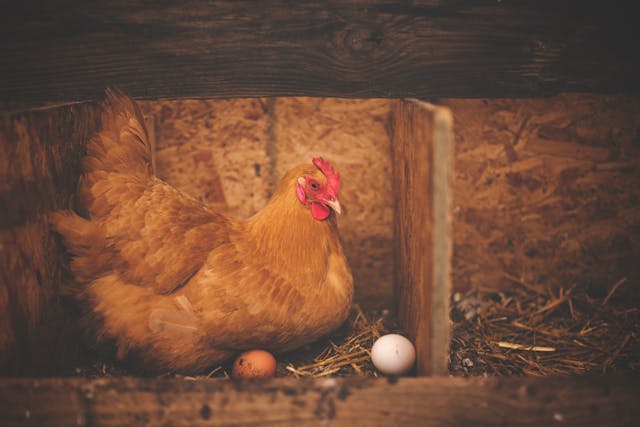
Imagine heading out to your chicken coop, expecting to collect fresh eggs, but instead, you find something odd—an egg that looks nothing like the usual smooth-shelled ones you gather daily. It’s misshapen, rubbery, or even filled with strange material. If you’ve ever encountered something like this, you may have encountered a Lash Egg. While normal eggs are a sign of a healthy laying hen, lice eggs indicate an underlying health issue that chicken owners should not ignore.
Understanding the difference between lash and normal eggs is crucial for keeping your flock in top shape. Here’s what you need to know about identifying, preventing, and managing this unusual condition in chickens.
What Is a Lash Egg?
Human ocular pathology under the microscope demonstrates differences between a regular egg and a lash egg, which consists of pus alongside tissue matter and egg components present inside the reproductive system of hens. Lash eggs differ strongly from normal eggs because they display rubbery textures, abnormal shapes, and infection-related material layers. The color of lash eggs spans from pale yellow to brown or includes blood-red streaks.
Salpingitis produces lice eggs because the infection with E. coli, Mycoplasma, and Salmonella affects the oviducts of hens. Inflamed reproductive tracts of hens result in the production of abnormal lash eggs instead of typical normal eggs. An infection reaching this stage produces last eggs as symptoms which indicate poor health for the affected hen.
How Do Lash Eggs Differ from Normal Eggs?
The visual appearance of normal eggs barely matches that of lash eggs. Eggs that appear normally contain a strong shell protecting a visible yolk within transparent egg white proteins. A healthy hen consistently builds this specific egg type without adverse effects on human health. Lash eggs contain bacterial and pus-filled layers instead of a normal shell because they contain solidifying pus and yolk material.
Breaking an egg open is easy to distinguish between standard and lash eggs when you feel comfortable performing this examination. A typical egg has an edible interior with a pleasant taste, yet the lash egg produces an unpleasant odor and a solid texture. Normal egg production by hens leads to eggs without symptoms of distress, but when hens lay eggs, the symptoms may include body weakness and a swollen abdomen, as well as illness indications.
What Causes a Hen to Lay a Lash Egg?
Lay eggs occur when a hen’s reproductive system is fighting an infection. The most common culprit is salpingitis, an oviduct inflammation caused by bacterial infections. Several factors can contribute to the development of salpingitis, including:
- Poor coop hygiene – Dirty nesting boxes and unsanitary conditions expose hens to harmful bacteria.
- Stress and weakened immune systems – Chickens experiencing stress from overcrowding, extreme weather, or nutritional deficiencies are more vulnerable to infections.
- Previous reproductive issues – Older hens or those with past egg-laying problems are more likely to develop oviduct infections.
- Injury to the reproductive tract – Internal damage from laying oversized eggs or egg-binding can lead to infections that result in lash eggs.
Since lash eggs are often linked to bacterial infections, it’s important to monitor the health of your entire flock, as some infections can spread between birds.
Can Lash Eggs Be Prevented?
While lash eggs cannot always be prevented, keeping your chickens healthy and their environment clean significantly reduces the risk. Here are some effective ways to minimize the chances of lash egg formation:
- Maintain a clean coop – Regularly clean nesting boxes, replace bedding, and keep water sources free of contamination. A dry, well-ventilated coop helps prevent bacteria from thriving.
- Provide a balanced diet – Ensuring your hens get the right nutrients, including calcium, protein, and vitamins, strengthens their immune system and supports reproductive health.
- Monitor for early signs of illness – Lethargy, reduced egg production, or changes in appetite can indicate a developing infection. Catching and treating problems early can prevent severe conditions like salpingitis.
- Limit stress – Reducing overcrowding, providing proper roosting space, and keeping hens comfortable in extreme weather helps maintain a strong immune system.
- Consider vaccinations – Some bacterial infections can be prevented through vaccination, particularly if your flock has a history of reproductive diseases.
Focusing on these preventive measures can improve your flock’s overall well-being and reduce the likelihood of lice eggs appearing in your coop.
What Should You Do If Your Hen Lays a Lash Egg?
When finding a lash egg, the initial action should be to examine the laying hen. Search for health indications on chickens through observation of abdominal swelling and walking impairment, and reduced food consumption. The bird shows evidence of illness, then isolates herself before getting a professional veterinary examination for diagnosis and treatment protocols.
Treatments for lash eggs require antibiotic medications to defeat bacterial infection entities. The veterinarian may supplement treatment with supportive procedures that involve fluids, nutritional improvement, and warm temperatures. The recovery process becomes challenging when bacterial infections have spread throughout the hen’s body.
The healthy state of the hen after the incident shows that the problem likely existed only in the single egg. The hen’s immune system will benefit from using probiotics, nutritious food, and enough clean water despite her overall good health condition.
Healthy Hens Lay Healthy Eggs
Learning about lash eggs and their prevention measures aids backyard chicken owners in better caring for their flock even though the condition may be alarming. The presence of normal eggs can be a health condition, whereas lay eggs requires closer examination to identify health issues. Keeping your environment clean and supplying proper nutrition and early disease watch for your hens will help your birds remain healthy and efficient.
Unusual egg appearances should always receive investigation because it improves your poultry population’s happiness and biological success.