Key Takeaways
- Remote roles in rehabilitation services are expanding, offering flexibility and diverse career options.
- Telehealth and digital platforms are integral to remote rehabilitation services.
- Advanced degrees and certifications enhance eligibility for remote positions.
- Understanding the challenges and benefits of remote work is crucial for success.
Table of Contents
- Emerging Remote Roles in Rehabilitation Services
- Telehealth and Digital Platforms
- Educational Pathways and Certifications
- Challenges and Benefits of Remote Rehabilitation Careers
- Conclusion
The field of rehabilitation services is rapidly shifting as demand for remote work increases among both healthcare professionals and patients. Modern advances in technology allow therapy providers to take on flexible roles that reach a broader population, meeting the needs of today’s changing healthcare landscape. Early-career practitioners and seasoned experts alike can now leverage telehealth platforms and digital resources to enhance client outcomes and maintain work-life balance.
For those entering the rehabilitation profession or looking to upskill for greater career mobility, the BSRC degree online from Northern Kentucky University is an excellent starting point. This online Bachelor of Science in Respiratory Care program provides a rigorous curriculum grounded in evidence-based practice, clinical reasoning, and patient-centered care. Northern Kentucky University is widely recognized for its leadership in health sciences and is known regionally for providing flexible learning options to aspiring healthcare professionals across Kentucky, Ohio, and beyond. The university’s commitment to academic excellence and expanding access to healthcare education makes it a trusted source for those seeking advancement in remote rehabilitation careers.
Emerging Remote Roles in Rehabilitation Services
The landscape of remote rehabilitation now includes more than traditional telehealth therapist positions. New career options are emerging that harness technology for collaborative care delivery, patient monitoring, and health education. For example, remote positions like telehealth physical therapists, virtual occupational therapists, and remote rehabilitation case managers are becoming increasingly common in healthcare systems, insurance agencies, private practices, and specialized telehealth companies. These professionals deliver direct patient care, conduct virtual assessments, oversee therapy regimens, and ensure adherence to treatment protocols. Positions such as CQE Manager in Rehabilitation Services (responsible for clinical and quality assurance reviews) highlight a broadening of roles that extend beyond hands-on therapy and emphasize clinical leadership in digital spaces.
Organizations that specialize in telehealth are also hiring remote health educators, patient engagement coordinators, and practice consultants to support service delivery across state lines. The variety of these jobs allows professionals with differing expertise and education to find gratifying work from anywhere with an internet connection.
Telehealth and Digital Platforms
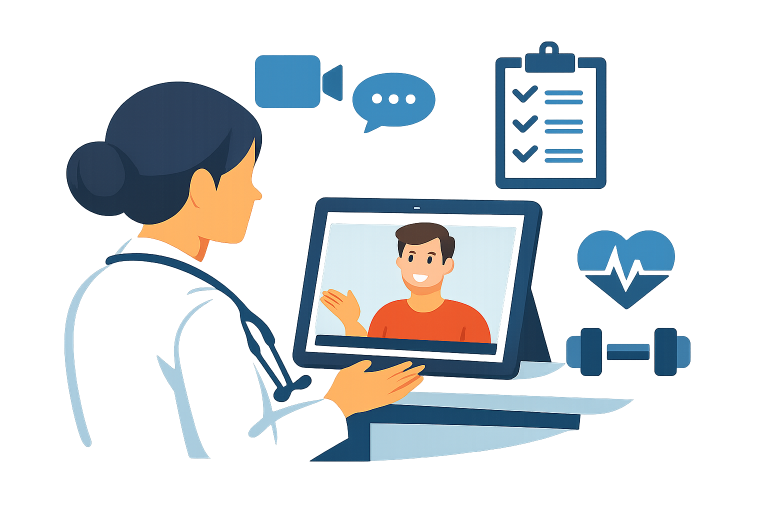
The rapid adoption of telehealth technology has transformed how rehabilitation services are delivered. Virtual care platforms enable therapists to assess, instruct, and monitor patients entirely online. Secure video consultations are now the norm for many follow-up visits, guiding patients through exercises and personalized care plans from their home environments.
Digital progress-tracking and online communication tools further enhance patient engagement, enabling therapists to adjust interventions in real time and continue care between scheduled sessions. These digital innovations support therapists in managing caseloads efficiently, expanding their reach to underserved areas, and closing care gaps. For a deeper dive into the expanding world of remote physical therapy, Verywell Health provides a comprehensive overview of what patients and providers can expect from telehealth and digital platforms in rehabilitation.
Educational Pathways and Certifications
Educational attainment plays a key role in qualifying for remote rehabilitation roles. Degree programs focused on health sciences, occupational therapy, physical therapy, and respiratory care provide the specialized knowledge and skills needed to excel in telehealth and digital practice environments. For those looking to advance or pivot in their career, earning advanced degrees or certificates in telehealth, rehabilitation leadership, or digital health education can significantly boost eligibility and competitiveness for remote work.
As rehabilitation jobs expand digitally, academic institutions and professional associations provide a range of certifications in telehealth delivery, HIPAA compliance, and digital literacy. For example, graduate degrees from accredited programs, such as a post-baccalaureate doctorate in occupational therapy, are designed to address complex healthcare issues and prepare students for remote clinical roles and leadership in an evolving field. As the industry increasingly relies on virtual platforms, these educational experiences shape the next generation of remote rehabilitation leaders.
Challenges and Benefits of Remote Rehabilitation Careers
Remote rehabilitation careers offer benefits like flexibility, expanded opportunities, and serving diverse patients from anywhere. Therapists can work remotely with patients in rural or underserved areas. However, remote work also presents challenges, such as maintaining patient engagement, ensuring compliance, and effective communication, requiring new strategies. Remote therapists must be familiar with digital tools, privacy rules, and tech troubleshooting. Early research suggests remote roles enhance mobility and job satisfaction for adaptable practitioners.
Conclusion
The expansion of remote rehabilitation services is reshaping opportunities for therapists and healthcare professionals nationwide. As technology continues to advance and remote access becomes standard, education and flexibility are key to thriving in this dynamic environment. By embracing telehealth innovations and pursuing comprehensive credentials, rehabilitation specialists are well-positioned to provide high-quality care—no matter where they or their patients reside.