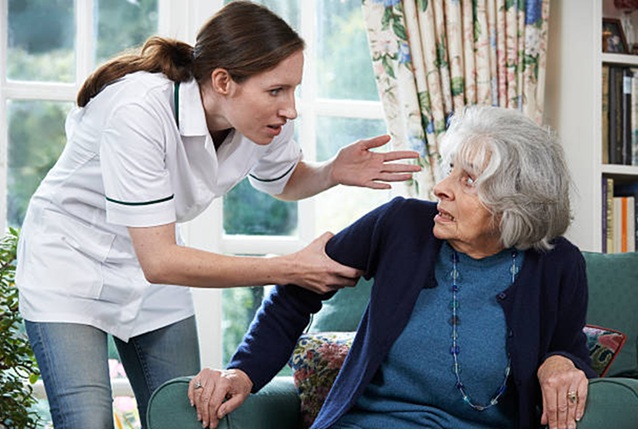
Nursing home abuse can show up in physical, emotional, or behavioral changes, and recognizing the signs early is key to protecting your loved one. The most important thing to know is that sudden injuries, changes in mood, poor hygiene, or unusual fear around staff may point to abuse or neglect. Families should trust their instincts and take concerns seriously.
It is not always easy to spot abuse, especially when residents cannot speak for themselves. Many families only realize something is wrong after noticing patterns over time. Knowing what to look for can help you act quickly and protect your loved one. It is also important to understand how to report a suspected nursing home abuse so that the issue can be addressed as soon as possible.
Physical Signs of Abuse
Physical injuries are often the most visible warning signs.
Look for:
- Unexplained bruises, cuts, or burns
- Broken bones or frequent falls
- Bedsores (pressure ulcers)
- Signs of restraint, such as marks on wrists
If staff cannot clearly explain how an injury happened, it may be a red flag.
Emotional and Behavioral Changes
Abuse is not always physical. Emotional harm can be just as serious.
Watch for:
- Sudden withdrawal or depression
- Fearfulness, especially around certain staff members
- Anxiety or agitation
- Changes in personality
These changes may happen gradually, so it is important to pay attention to even small differences.
Signs of Neglect
Neglect happens when basic needs are not met. This is one of the most common forms of abuse.
Common signs include:
- Poor hygiene or dirty clothing
- Dehydration or malnutrition
- Untreated medical conditions
- Unsafe or unclean living conditions
Neglect can lead to serious health problems if not addressed quickly.
Financial Abuse Indicators
Financial abuse involves the misuse of a resident’s money or property.
Warning signs may include:
- Missing personal items
- Unusual bank activity
- Sudden changes in financial documents
- Unpaid bills despite available funds
This type of abuse can be harder to detect but should not be ignored.
Staff Behavior and Facility Red Flags
Sometimes the behavior of staff or the condition of the facility can signal problems.
Pay attention to:
- Staff refusing to allow private visits
- Delays in answering questions
- High staff turnover
- Lack of proper supervision
These issues may point to deeper problems within the facility.
What to Do If You Suspect Abuse
If you notice signs of abuse, taking action quickly is important.
Steps to consider:
- Document what you see, including photos and notes
- Speak with the facility management
- Seek medical care if needed
- Report concerns to local authorities or state agencies
Acting early can prevent further harm and protect your loved one.
Why Early Action Matters
Nursing home abuse can get worse over time if nothing is done. Early reporting helps stop the abuse and may protect other residents as well.
It also creates a record of the issue, which can be important if legal action becomes necessary.
Supporting Your Loved One
Emotional support is just as important as taking action.
- Visit regularly
- Listen to their concerns
- Reassure them they are safe.
- Stay involved in their care
A strong support system can make a big difference in recovery and well-being.
Key Takeaways
- Nursing home abuse can show up as physical, emotional, or financial harm.
- Unexplained injuries and behavior changes are major warning signs.
- Neglect is common and can lead to serious health issues.
- Staff behavior and facility conditions can reveal deeper problems.
- Acting quickly helps protect your loved one and prevent further harm.
Recognizing the signs of nursing home abuse is the first step in keeping your loved one safe. Staying alert and involved can help ensure they receive the care and respect they deserve.