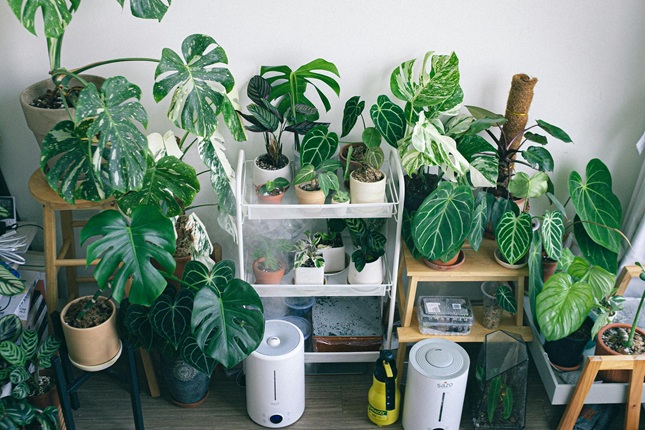
In the debate between fake and real plants, it’s vital to consider both environmental and practical impacts. Statistics show that the home decor sector substantially incorporates both types, each offering distinct advantages and drawbacks.
This article explores the sustainability, maintenance, cost, and health implications of choosing between fake and real plants. Understanding these factors can help determine the most eco-friendly option for your home or office.
Comparing Environmental Impact: Fake Plants vs Real Plants

Real plants are often celebrated for their ability to absorb carbon dioxide while releasing oxygen, thus improving air quality. They also play a part in reducing airborne dust levels and increasing humidity. These aspects make them vital components in eco-friendly home decor strategies.
Conversely, fake plants, typically made from plastics and synthetic materials, contribute to plastic waste and involve energy-intensive manufacturing processes. These production methods release harmful pollutants and greenhouse gases, which negate any potential environmental benefits.
Choosing real plants over synthetic ones can significantly reduce your carbon footprint. When selecting real plants, consider species that require less water and maintenance, optimizing ecological efficiency.
Assessing Durability and Maintenance: Choosing Between Real and Artificial Greenery
While real plants offer freshness and air-purifying benefits, they demand regular care including watering, pruning, and exposure to adequate sunlight. These activities require both time and knowledge about specific plant needs, which can be challenging for some.
Artificial plants, on the other hand, provide a hassle-free solution without the need for ongoing upkeep. They remain visually appealing year-round and are particularly suitable for areas with poor natural light or in environments like offices where maintenance routines are less feasible.
For those who travel frequently or have limited time for care, artificial plants might be the more practical choice. Consider the specific conditions of your space and lifestyle needs when deciding between real and synthetic plants.
Analyzing Cost Effectiveness Over Time: Real Plants vs Synthetic Options
Initially, fake plants might seem like a cost-effective option due to their longevity and minimal maintenance requirements. However, they may require periodic cleaning and can deteriorate in appearance over time, leading to replacement costs.
Real plants, despite potentially higher upfront costs for purchase and soil, offer the unique benefit of adapting and growing over time, which can provide increasing aesthetic and health returns on your investment. They do, however, require ongoing expenditures for fertilizer and water.
To truly assess cost-effectiveness, consider not only the initial expense but also the long-term benefits and costs associated with both options. Potentially, the enduring growth and environmental benefits of real plants may offset their initial higher costs.
Health and Wellness Benefits: How Real and Fake Plants Affect Indoor Environments

Real plants have a positive impact on mental health by reducing stress and enhancing mood – benefits that are well-supported by research. The presence of greenery also encourages a connection with nature, which can boost mental well-being.
Although artificial plants don’t offer the same air-purification and psychological growth as living plants, they can still enhance indoor aesthetics, contributing to a calming environment. However, they do not actively improve the air quality or humidity levels within a space.
When considering health and wellness, prioritize spaces where you spend the most time. Installing real plants in these areas can enhance both your physical and mental health, improving overall life quality.
Overall, choosing between fake and real plants involves a series of trade-offs regarding environmental impact, maintenance, cost, and health benefits. While fake plants offer ease and consistency in decor, real plants provide environmental and health benefits that can contribute to a more sustainable and fulfilling lifestyle. Whichever choice you make, ensuring it aligns with your personal and environmental values will lead to the best outcome.