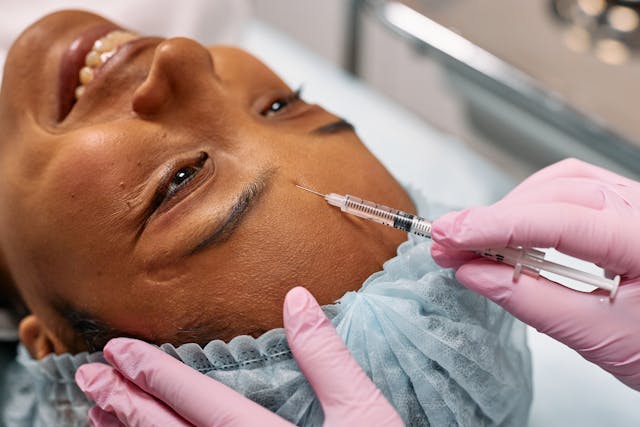
If you’ve ever scrolled through beauty feeds or browsed lifestyle blogs, chances are you’ve seen stories about facial fillers and how they can subtly refresh your look. The idea of injecting something into your face can be a little intimidating, especially if you’re worried about discomfort.
For many first-timers, the question isn’t just “Will it work?” but “Will it hurt?” Understanding what really happens during the procedure can help ease nerves, so you know exactly what to expect before booking an appointment in Charleston or elsewhere.
Here are 5 things to expect during your facial filler procedure.
1. The Sensation Isn’t as Intense as You Might Think
A lot of people imagine facial fillers as painful, but in practice, the experience is usually more about pressure than sharp pain. Most fillers contain a small amount of lidocaine, a mild numbing agent, which helps reduce discomfort significantly. You might feel a gentle sting or pinch when the needle enters the skin, but it usually lasts only a few seconds per injection.
Areas with thinner skin, like under the eyes or around the lips, can feel slightly more sensitive, but the sensation is brief and tolerable. For anyone anxious about needles, knowing that the discomfort is fleeting can make the idea of trying fillers far less intimidating.
2. Topical Numbing and Ice Can Make a Big Difference
Before the injections, many clinics apply a numbing cream or cold pack to the area. This step is surprisingly effective at dulling sensations and helping you relax during the procedure. Some patients describe it as a firm pressure rather than pain, almost like a strong massage.
In addition, facial fillers in Charleston often involve gentle techniques such as slow injections, spacing sessions, and using ultra-fine needles to further minimize discomfort. Providers like Thomas Funcik Plastic Surgery usually prioritize these small but meaningful details, tailoring the approach so it feels more manageable. The goal is to make your session feel as smooth and comfortable as possible while achieving natural-looking results.
3. Minor Swelling or Bruising Is Common but Temporary
Even when the procedure itself is painless, it’s normal to notice some swelling, redness, or light bruising afterward. This usually peaks within 24 to 48 hours and subsides within a few days. Knowing this ahead of time helps manage expectations and avoids any surprise when looking in the mirror.
You might want to schedule your appointment a few days before an important event to allow any puffiness to settle. Simple strategies, such as applying a cold compress immediately after the treatment and avoiding strenuous activity for 24 hours, can reduce post-injection swelling and make recovery smoother. Studies show that bruising occurs in about 19–24 percent of filler treatments, depending on the area and technique used, so it’s a minor consideration rather than a deterrent.
4. You’ll Feel Some Pressure, Not Continuous Pain
During the session, most people notice a pushing or stretching sensation as the filler is carefully placed under the skin. This is different from pain, and it generally signals that the product is settling in the right spot. Many patients find it helps to breathe slowly and relax facial muscles while the injector works.
Some areas, like the cheeks, are less sensitive, whereas the lips or nasolabial folds might feel more noticeable. But even in these regions, discomfort is brief, and experienced injectors know how to make adjustments on the spot. Techniques such as gentle massage after placement can also smooth the filler and ease any lingering pressure.
5. Post-Treatment Care Can Reduce Discomfort and Speed Recovery
After your session, following simple care tips can make a big difference in how you feel and how your skin looks. Common recommendations include:
- Avoiding touching or massaging the treated area for at least a few hours.
- Staying hydrated and keeping your skin clean.
- Skipping strenuous exercise and alcohol for a day or two.
These small actions help prevent additional irritation or bruising and support a smoother, faster recovery. Most patients notice that any soreness or sensitivity disappears within a day, leaving only the subtle, refreshed look they hoped for. Knowing what to expect and taking these precautions can make the whole experience feel reassuring rather than intimidating.
Facial fillers are far less painful than most people anticipate. With careful technique, topical numbing, and gentle post-care routines, first-timers often leave feeling pleasantly surprised at how manageable the procedure was.
The Bottom Line
Trying facial fillers can feel like a small leap if you’re new to aesthetic treatments, but understanding the sensations and aftercare helps you approach it with confidence. From the mild sting of the needle to the temporary swelling, most of the sensations are brief and easily handled.
The end result—a refreshed, natural appearance—makes the few moments of discomfort well worth it for many people. If you’re curious about exploring this for yourself, taking a guided, informed approach can turn nerves into excitement and leave you looking and feeling your best.