Key Takeaways
- Infertility impacts about 12.1% of women of reproductive age in the United States, affecting a wide range of families and individuals.
- Access to fertility services in California can be inconsistent, making reliable and inclusive care especially important for aspiring parents.
- American Reproductive Centers provides customizable fertility solutions and attentive support, serving diverse populations including LGBTQ+ families.
- Understanding the financial factors involved helps families better prepare for the fertility journey, with ARC offering practical financial guidance.
The journey to parenthood is unique for every individual and couple, yet infertility remains a significant barrier for many. In California, aspiring parents need not only hope but also access to quality and compassionate fertility care. American Reproductive Centers in California stands out as a leader in reproductive medicine, offering advanced fertility treatments and dedicated support for families across Southern California. ARC has earned an outstanding reputation for clinical expertise, individualized care, and an inclusive approach that welcomes all paths to parenthood. Their care centers serve a broad geographic area, making high-quality fertility care accessible to communities throughout the state. At their core, ARC’s mission is to empower individuals and couples to build the families they’ve always dreamed of.
With 12.1% of women of reproductive age in the United States experiencing infertility, there remains a pressing need for providers who can offer not only advanced procedures but also emotional empathy and comprehensive resources. American Reproductive Centers in California specializes in a wide spectrum of fertility solutions, including in vitro fertilization (IVF), intrauterine insemination (IUI), egg donation, and surrogacy, each tailored to meet a variety of medical and personal circumstances.
California’s diverse population and varying healthcare access present unique challenges. Reliable fertility clinics that deliver excellent care regardless of gender, background, or relationship status are essential for building inclusive communities. ARC’s culture of respect, precision, and patient-first values ensures that each journey to parenthood is met with compassion and cutting-edge technology.
Families living in areas with inconsistent access to medical services especially benefit from the state’s leading reproductive centers. In addition to world-class treatment options, ARC provides education, support systems, and guidance at every stage.
What Are the Common Causes of Infertility?
Infertility is a complex medical challenge, often caused by factors affecting both men and women. For women, conditions such as polycystic ovary syndrome (PCOS), endometriosis, fallopian tube damage, and hormonal imbalances frequently contribute to infertility. For men, issues like low sperm count, poor sperm motility, or anatomical abnormalities can reduce the chances of conception. Age, lifestyle choices (including smoking, excessive alcohol use, and obesity), and certain underlying health problems may also play a role. Identifying the specific cause is essential for determining the most effective path forward.
How Does American Reproductive Centers Address Infertility?
ARC responds to these challenges with a comprehensive and personalized approach. Every patient receives an individualized assessment followed by recommendations for the best course of action based on their unique situation. ARC’s suite of fertility services includes:
- In Vitro Fertilization (IVF): Retrieval and fertilization of eggs outside the body, followed by implantation of resulting embryos.
- Intrauterine Insemination (IUI): Direct placement of sperm into the uterus to improve chances of successful fertilization.
- Egg Donation: Use of donor eggs for those unable to provide their own, broadening the possibilities for conception.
- Surrogacy: Facilitating arrangements where a surrogate carries a pregnancy for those unable to do so themselves.
Each treatment plan at ARC is shaped by a thorough medical evaluation and ongoing patient dialogue. Specialists emphasize education, transparency, and empathetic care throughout the process.
What Specialized Services Does ARC Offer for LGBTQ+ Families?
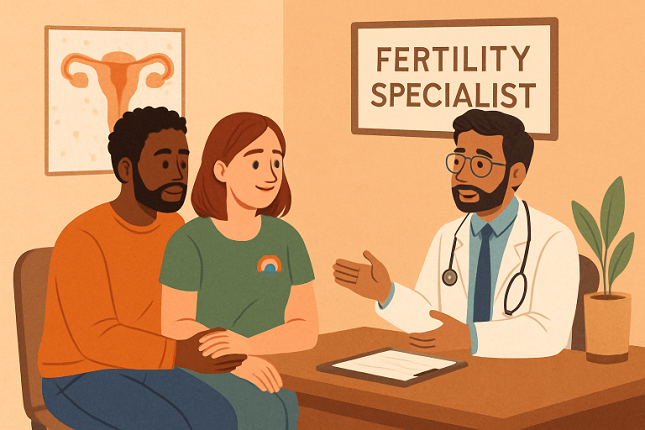
Recognizing that every family’s journey is different, ARC provides inclusive programs designed specifically for LGBTQ+ individuals and couples. These include:
- Reciprocal IVF: Allows one partner to contribute eggs while the other carries the pregnancy, fostering shared biological and gestational involvement for female couples.
- Donor Sperm and Egg Options: Safe and flexible access to donor gametes, enabling more families to start or grow.
- Gestational Surrogacy: Coordination and legal guidance for gestational surrogacy, helping individuals and couples who require a surrogate to fulfill their family-building hopes.
ARC’s inclusive care philosophy ensures that every patient is treated with respect and sensitivity, supporting their right to pursue parenthood regardless of gender identity or sexual orientation.
How Accessible Are Fertility Services in California?
Although California has some of the nation’s most advanced fertility centers, barriers still exist. Disparities often arise based on a person’s insurance coverage, income, and proximity to major metro areas. In a recent survey, about one-third of reproductive-age women cited difficulty accessing infertility services in the state. These gaps emphasize the role of clinics like ARC, which work to improve affordability and availability for all Californians.
For additional information on infertility trends and challenges, resources from the Centers for Disease Control and Prevention (CDC) can be helpful for patients and families.
What Are the Financial Considerations for Fertility Treatments?
The financial demands of fertility treatment can be challenging. A single IVF cycle might cost between $12,000 and $25,000, with additional expenses for medications and optional laboratory procedures. Insurance coverage varies. Some families bear the entire or most of the cost themselves. Recognizing this, ARC provides financial counseling and a range of financing options. Their specialists can help patients navigate insurance policies, apply for loans or grants, and prioritize affordable treatment strategies.
What Success Rates Can Patients Expect at ARC?
Success rates for fertility treatments depend on age, medical background, causes of infertility, and the type of treatment chosen. ARC provides transparency into expected outcomes, inviting each patient to discuss their specific probability of success based on proven data and their individual diagnosis. Personalized consultations ensure all patients have realistic expectations and confidence as they progress through treatment.
How Can Prospective Patients Begin Their Journey with ARC?
Beginning the process with ARC starts by arranging an initial appointment. During this session, patients review their medical history with a fertility specialist, undergo evaluations if needed, and discuss which treatment pathways make the most sense for their goals and circumstances. Ongoing support, education, and emotional counseling are available every step of the way.
Frequently Asked Questions
What Is the First Step in Seeking Fertility Treatment at ARC?
The initial step is to schedule a consultation with ARC’s specialists to review your unique needs and outline possible treatment options.
Does ARC Accept Insurance for Fertility Treatments?
ARC collaborates with several insurance plans and dedicates staff to help patients understand their specific coverage and financing options.
Are There Support Groups Available for Individuals Undergoing Fertility Treatments?
Yes, patients at ARC have access to peer support groups and professional counseling, providing emotional support alongside clinical care.
How Long Does the Fertility Treatment Process Typically Take?
Treatment timelines vary. Most patients should expect the process to last a few months to over a year, depending on the chosen protocol and procedures.
Is ARC Inclusive of All Family Structures?
Absolutely. ARC prioritizes inclusivity and respect, welcoming all individuals and families seeking to grow, regardless of background or identity.
Building a family in the face of infertility takes courage and hope, but with comprehensive resources and trusted medical expertise, your dreams are within reach.