Clutter rarely shows up all at once. It builds slowly through busy weeks, changing seasons, and well-intentioned purchases that never quite find a proper place. One day, the countertops are clear, and the next, they are holding stacks of mail, school papers, and items that belong somewhere else. In households juggling work, family, and community life, especially in four-season regions like Rutland, Vermont, the constant shift between winter gear and summer equipment makes staying organized even more challenging.
A messy environment does more than affect appearances. Visual clutter competes for your attention, making it harder to focus. It can also make your home feel smaller and less inviting than it actually is. Many homeowners think the solution is a massive spring cleaning session, but that approach rarely lasts. Long-term tidiness comes from repeatable habits and simple systems that support daily life.
Managing Seasonal Overflow Before It Takes Over
Seasonal transitions are one of the biggest organizational stress points. Heavy winter jackets, boots, and sports gear take up space for months, then suddenly need to be put away when spring arrives. Without a clear rotation plan, closets stay overcrowded, and items get shoved wherever they fit. That leads to wrinkled clothes, misplaced accessories, and unnecessary frustration.
Start by editing before every seasonal switch. Remove items that no longer fit, serve no purpose, or have duplicates. Then separate what you will use in the coming months from what can be packed away. Take an honest look at the space you actually have available. Renting a storage unit will keep the home clutter-free.
The 15-Minute Nightly Reset: Small Effort, Big Impact
A short nightly reset can completely change how your home feels the next morning. Instead of waking up to yesterday’s mess, you start with clear surfaces and organized spaces. Set a timer for 15 minutes and focus on high-traffic areas such as the kitchen, living room, and entryway.
Clear counters, return misplaced items to their designated spots, and sort through the day’s mail. Encourage everyone in the household to participate. When this routine becomes automatic, clutter never gets the chance to pile up. The effort is small, but the payoff is significant.
The “One-In, One-Out” Rule: A Simple System That Prevents Overload
The one-in, one-out rule keeps your home from slowly filling up again. The concept is simple. Every time you bring a new item into the house, you remove one of a similar category. If you buy a new sweater, donate an old one. If you upgrade a kitchen gadget, let go of the outdated version.
This habit forces you to pause before purchasing and keeps your total inventory stable. Keep a donation bin in a closet so the process feels easy, not disruptive. When you schedule regular drop-offs, you create a consistent exit strategy for excess belongings. Over time, this small rule protects your space from gradual overload.
Maximizing Vertical Space and Hidden Square Footage
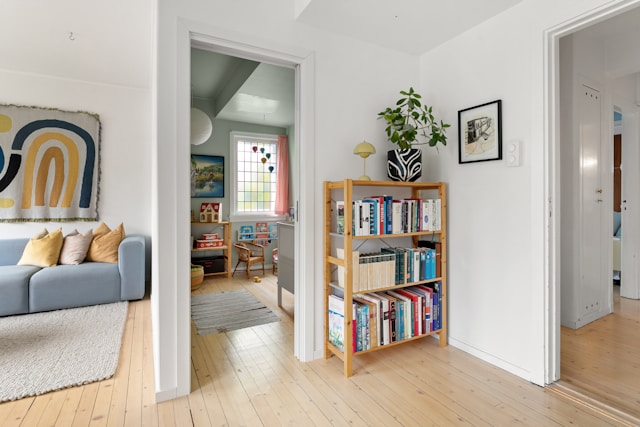
Many homes feel cramped not because they lack space, but because they fail to use it efficiently. Walls, doors, and the space above cabinets often go untouched. By installing shelves, hooks, or tall bookcases, you expand your usable storage area without increasing square footage.
Look for overlooked spaces such as under beds, behind doors, and along hallway walls. These areas can hold baskets, organizers, or slim cabinets that keep items accessible but out of sight. When you think vertically and strategically, you create room to breathe without sacrificing style or comfort.
Creating Clutter-Free Zones for Mental Clarity
Every home benefits from at least one surface that stays completely clear. It might be your kitchen island, nightstand, or entryway table. When that space remains free of random items, it creates a sense of order that positively affects the rest of the room. You think more clearly and move through your routines with less distraction.
Protect that zone with simple rules. Limit what is allowed to live there and reset it daily. Make sure everyone in the household understands its purpose. When you maintain even one consistently tidy area, you build momentum that makes organizing other spaces feel manageable.
Seasonal Rotation Systems for Clothing and Decor
Rotating clothing and decor twice a year prevents closets and cabinets from becoming overcrowded. At the start of each season, review what you actually wore or displayed in the previous one. If something stays untouched, it may be time to donate or discard it. This editing process keeps your collection realistic and usable.
Store off-season items in clearly labeled bins so they stay protected and easy to find later. Keep an updated inventory list if you tend to forget what you own. With a consistent rotation system, transitions feel organized rather than chaotic, and your everyday spaces stay focused on what you need right now.
Digital Decluttering and Paper Management
Physical clutter often starts with paper. Mail, receipts, school forms, and warranties stack up quickly when you delay decisions. Adopt a touch-it-once approach. When you bring mail inside, immediately recycle junk, file important documents, and respond to time-sensitive items. This prevents small piles from turning into overwhelming stacks.
Digital clutter also deserves attention. Organize your computer files into clearly named folders and delete duplicates. Unsubscribe from promotional emails you never read. Scan important documents and securely store them. When both your physical and digital paperwork stay organized, you reduce stress and free up valuable mental space.
Giving High-Traffic Items a Permanent Home
Daily-use items cause the most frustration when they lack a designated spot. Keys, backpacks, shoes, and remote controls tend to migrate across surfaces unless you assign them a clear home. Choose locations that make sense for your routine, such as hooks near the door or a tray on a console table.
Convenience matters. If the assigned location feels awkward or far from where the item is used, people will ignore it. Use baskets, drawer dividers, or labeled bins to create structure. Once everything has a consistent resting place, cleanup becomes faster, and arguments over misplaced items decrease significantly.