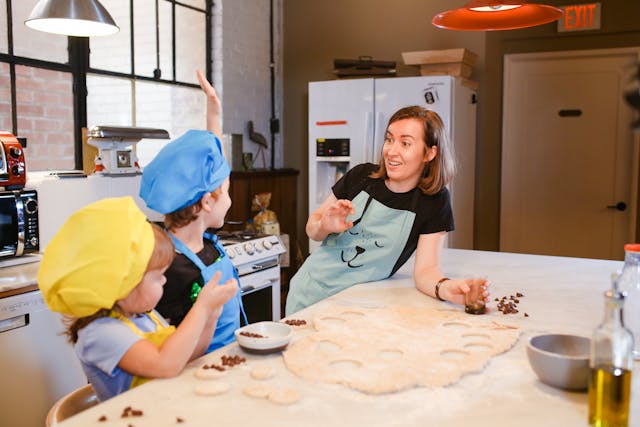
New Orleans is a historic city in southern Louisiana with a deep connection to food and tradition. Music, culture, and shared meals are part of everyday life across the city, shaping how families gather and celebrate. These traditions are often passed down from one generation to the next, making food an important part of how children grow up in this environment.
In a place where food holds such meaning, you can expect cooking camp for kids to be fun, engaging, and educational. Children learn basic cooking skills while building confidence and independence in a supportive environment. Each day combines hands-on activity with creativity and teamwork, making learning both practical and enjoyable.
Because of this cultural backdrop, kids culinary camp in New Orleans feels authentic and naturally connected to the city’s living traditions rather than just another routine program.
A Friendly and Supportive Beginning
Cooking camps usually begin with introductions and orientation. Children are shown around the kitchen and learn basic rules. Instructors take time to explain tools and safety in a calm way. This helps kids feel relaxed and ready to participate. A comfortable start sets the tone for the rest of the camp.
A Structured Yet Relaxed Daily Schedule
Most camps follow a clear daily routine. This helps children know what to expect and feel secure. A typical day includes instruction, cooking time, and moments to enjoy what they prepare. Breaks are added to keep kids energized. The balance helps learning feel natural instead of rushed.
Hands On Cooking Experience
Children actively take part in every step of cooking. They measure ingredients, mix batter, and assemble dishes themselves. Learning by doing makes the experience memorable. Kids feel proud when they complete tasks on their own. This sense of ownership builds confidence.
Learning Kitchen Safety from Day One
Safety is an important part of cooking camp. Children learn how to handle tools properly and move safely in the kitchen. Instructors closely supervise all activities. Safety habits are reinforced daily. These lessons help kids become more responsible.
Teamwork Through Shared Tasks
Many cooking activities are done in small groups. Kids share tools and work together to complete recipes. This encourages cooperation and patience. Children learn how to listen and take turns. Teamwork develops naturally through shared goals.
Building Confidence Step by Step
Recipes are chosen carefully to match children’s abilities. Instructors guide without taking over. Each successful dish builds confidence. Over time, kids trust their skills more. This confidence often carries into other areas of life.
Trying New Foods Without Pressure
Cooking camp introduces children to new ingredients. Tasting is encouraged but never forced. This gentle exposure helps kids feel curious instead of resistant. Over time, many become more open to new flavors. Food becomes something to explore.
Creativity in the Kitchen
Creativity is an important part of many camps. Kids may decorate dishes or choose simple variations. There is no pressure to be perfect. Children are encouraged to express ideas freely. This builds creative confidence.
Skills That Extend Beyond Cooking
Cooking camp teaches discipline. Children practice focus, responsibility, and time awareness. Programs like a kids culinary camp in New Orleans help children apply these skills at home and school. Parents often notice positive changes after camp ends.
Support From Patient Instructors
Instructors play a key role in the experience. They explain clearly and encourage questions. Kids feel supported without being rushed. This balance helps children learn independently. Trust builds naturally.
A Fun and Encouraging Atmosphere
Cooking camps are designed to feel joyful. Laughter and conversation are part of daily activities. Kids associate learning with fun. This positive experience encourages curiosity. It helps children enjoy trying new things.
What Children Take Home After Camp
The impact of cooking camp lasts beyond the final day. Children leave with new skills and stronger confidence. Many want to help more in the kitchen at home. Parents often notice pride and independence growing. These changes reflect real growth.
Key Takeaways
- Cooking camps offer hands-on learning in a safe space
- Children build confidence through guided success
- Teamwork and communication grow naturally
- Kids explore new foods without pressure
- Life skills learned extend beyond the kitchen
- Positive experiences encourage long-term growth.