You know that feeling when you flip on the lights in an older home, and the room still feels dim, even though every bulb works. The space isn’t broken. It just feels stuck. You have walked through enough older houses to know that most of them don’t need a full gut job. They need attention in the places people actually notice.
Age shows up in small ways. Trim that once looked detailed now looks fussy. Cabinets feel heavy, and switch plates have yellowed. The house may be solid, even well built, but it carries the mood of another decade. Modernizing it doesn’t mean stripping out its character. It means clearing away what distracts from how people live today.
Start With the Parts Everyone Sees First
The outside sets the tone before anyone steps inside. In older homes, that first impression often feels cluttered or tired, even if the structure is sound. Faded paint, mismatched hardware, and dated light fixtures all pile up. None of them are major flaws, but together they send a message that the house hasn’t kept up.
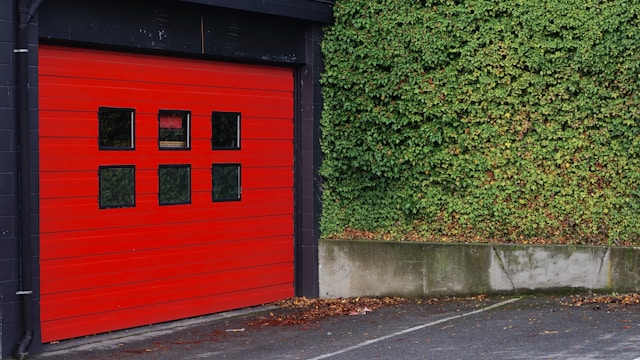
The garage door plays a big role here, especially in neighborhoods where it takes up a third of the front view. The panels may be dented, the windows might be cloudy, and the style could scream early 2000s. In most cases, replacing the whole door isn’t always required. Sometimes new hardware, fresh paint, or updated window inserts can shift the look in a quiet but noticeable way.
When the door starts sticking or making noise, it’s often brushed off as normal wear. Still it affects how the home feels every single day. Having a proper garage door service done can correct alignment, replace worn springs, and improve insulation without changing the whole structure. It’s not flashy work, but the improvement is felt right away, both in sound and in how smoothly the house functions.
Light Changes Everything
Most older homes were designed around different lighting habits. Rooms relied on a single overhead fixture, and natural light was blocked by heavy curtains. Wall colors leaned warm, sometimes too warm. The result is a kind of dimness that doesn’t match how people live now, especially with screens and remote work in the mix.
Modernizing lighting does not require tearing into ceilings. Swapping out dated fixtures for simple, low-profile ones can clear visual clutter. Recessed lights can be added in key areas, though they should be used with care. Too many and the room feels flat. A few placed well, especially near work zones like kitchen counters or desks, can shift the whole mood.
Kitchens Without a Full Remodel
The kitchen is usually where people assume the most money must be spent. In some cases, that’s true, but if you are mindful and clever about design, less shows up as more. Cabinets may be solid wood, just stained dark. Counters might be laminate, but in decent shape. The layout could still function.
Painting cabinets changes everything. It’s labor-intensive and it needs to be done properly, but the cost is far lower than replacing them. Swapping out hardware for simpler pulls or knobs makes an immediate difference. Brushed nickel or matte black often feels cleaner than shiny brass from the 90s.
Backsplashes are another smart update. Removing dated tile, installing a simple subway pattern or even a solid slab behind the stove can shift a dated room to feel modern and up to date. It doesn’t need to be trendy. In fact avoiding a heavy makeover and adopting minimalism helps the kitchen age better the second time around.
Appliances also matter. Stainless steel has held on for years, though panel-ready options are gaining more attention. Even replacing one outdated appliance at a time can help. A mismatched set often makes the space feel more chaotic than it really is.
Bathrooms: Clean Lines Over Luxury
Bathrooms in older homes often feel cramped, even when the square footage is decent. Part of that comes from bulky vanities and oversized mirrors with decorative frames. Replacing a heavy vanity with a slimmer one can open the floor visually even if no walls are moved.
Large mirrors that stretch across the wall reflect more light. Frameless glass shower panels reduce visual breaks. Small-format tiles with busy patterns tend to date quickly but larger simpler tiles in neutral tones create a calmer surface.
Fixtures should match. It sounds obvious yet many bathrooms carry three different finishes from updates done years apart. Choosing one finish and sticking with it brings order. It’s a small detail that people notice without realizing why.
Keep What Works
Not every old feature should be replaced. Original wood floors, exposed beams, and well-made cabinetry can add depth that new builds struggle to replicate. The key is contrast. Pair old elements with simpler surroundings.
A modern sofa against a brick wall works because one balances the other. The mistake is layering the old on what is already old, making the house feel like it is frozen in time. Selective updates let the character stay without overpowering daily life.
Older homes don’t become modern overnight; they shift gradually through dozens of small decisions. Fresh paint here. Updated lighting, a revamped garage door, and cleaner hardware make a significant difference if done with a creative mind. Over time, the house stops feeling stuck and starts feeling lived in and updated. And that, more than anything, is what most people are after.