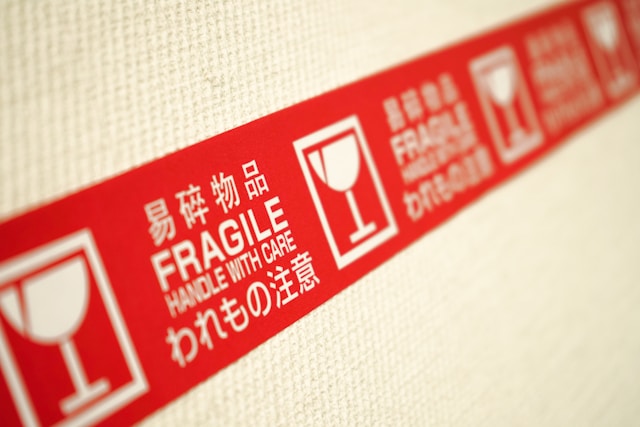
Safe packing and moving of delicate items?
It’s easier said than done, and nearly 40 million Americans move every summer. So a lot of people see their most treasured possessions damaged during the moving process.
The Problem is:
Fragile items are essentially sitting ducks when they get moved from one place to another. Move it enough and eventually one bump or careless second will cause your grandmother’s china set to shatter.
The truth is… The average person has no idea how to properly pack fragile items. They throw them into random boxes, hope they don’t get crushed, and then end up confused when everything arrives broken.
It doesn’t have to be this way.
In this guide you’ll learn:
- Why Most Fragile Items Get Damaged During a Move
- How to Pack Like the Pros
- 5x Bulletproof Methods for Every Fragile Item Type
- What the Pros Do Differently
Why Most Fragile Items Get Damaged During Moves
Ready to learn the most important secret when it comes to moving fragile items?
Simple: treat them different than regular household items.
The Reality…
Delicate items require a completely different packing approach than your typical books or clothing. Drinking glasses are the #1 breakable item during moves, but they’re just the tip of the iceberg.
When you deal with a professional home moving company like threemovers.com they know fragile items face a gauntlet of risks during transport:
- Abrupt stopping and turns in the truck
- Vibrational damage from the road surface
- Compression from heavier items placed on top
- Temperature fluctuations that can damage sensitive items
The truth? Amateur packing methods just can’t stand up to this level of stress.
The average person has no idea just how much punishment fragile items go through during a move. The mirror that’s stood in your living room for decades can shatter when it hits a single pothole.
The Professional Packing Method That Actually Works
Ready to pack like a pro?
It’s not about buying more bubble wrap (though that’s important). It’s about knowing that each fragile item has different vulnerabilities and packing requirements.
Professional movers don’t have a one-size-fits-all mentality. They analyze each item and engineer custom protection based on its individual needs.
Here’s how it’s done:
The Three Layer Protection System
Think of this like armor for your fragile items. Each layer serves a unique function:
Layer 1: Direct Contact Protection This is the material that comes into direct contact with the item. For example, acid-free tissue paper for glassware. Anti-static foam sheets for electronics.
Layer 2: Shock Absorption Bubble wrap, foam padding, or specialized cushioning material that cushions and absorbs impacts and vibrations.
Layer 3: Structural Support Outer box or crate that provides rigid structural support and protection to prevent compression damage.
The magic happens when these three layers work together in harmony…
Material Selection That Makes The Difference
Not all packing materials are created equal.
Cheap bubble wrap may seem like it’s doing a fine job, but professional-grade packing materials provide vastly superior protection. Here’s what actually works:
- Multi-cell bubble wrap (instead of regular bubble wrap)
- Double-wall corrugated boxes for structural strength
- Foam inserts that are cut to fit specific items
- Specialized boxes for fragile item categories
5x Bulletproof Strategies for Different Fragile Items
Different fragile items require different packing strategies. Here are the 5x proven methods that professional movers use:
Strategy #1: Glassware & China
Breakable glass and china is the #1 cause of heartbreak during moves.
The Professional Packing Method: Wrap each individual piece with tissue paper. Add a layer of bubble wrap around each piece. Place vertically in dish-specific boxes with dividers between each dish. Never stack plates flat. Always pack plates vertically like records.
Strategy #2: Electronics & Appliances
Electronics can suffer internal damage even if the outside doesn’t visibly appear harmed.
The Professional Packing Method: Always use original manufacturer packaging where possible. If that is not available use anti-static packing materials and ensure all internal components are secured.
For TVs and monitors create cardboard screen protectors and pack upright, never flat.
Strategy #3: Artwork & Mirrors
Fun Fact… Mirrors are the most filed-for item when it comes to making insurance claims during college moves.
The Professional Packing Method: Create an “X” with tape on the mirror surface. (this way if it breaks you have a cross pattern instead of total shattering). Wrap with bubble wrap, then insert in a custom-sized mirror box with corner protectors.
Strategy #4: Musical Instruments
Instruments are sensitive to temperature and humidity changes.
The Professional Packing Method: Remove all detachable parts and pack separately. Use climate-controlled transport when possible.
Strategy #5: Antiques & Collectibles
These items often have irreplaceable sentimental and monetary value.
The Professional Packing Method: Photograph and document with photos prior to packing. Use archival-quality materials to prevent chemical damage. Consider professional insurance coverage.
What Professional Home Moving Services Do Differently
Think professional movers just bring fancier boxes?
Think again.
Professional moving services bring experience, specialized equipment, and proven systems most people simply can’t match.
Here’s what sets them apart:
Specialized Equipment
Professional movers have dollies, straps, and specially equipped vehicles for fragile items.
Training & Experience
Professional movers have an intuitive feel for how materials behave under stress and vibration.
Insurance & Accountability
Reputable moving services have specialized insurance and damage-reporting procedures.
Climate Control Options
Professional services offer climate-controlled transport for sensitive items.
Smart Packing Tips That Save Items (And Money)
Ready to get the most out of your packing protection without spending a fortune?
Use these insider tips:
Create a “fragile items inventory” with photographs. This will be a huge help with insurance claims if damage does occur.
Pack an “essentials” box with fragile items you’ll need immediately and want to personally transport.
Don’t overpack boxes. Heavy boxes are more likely to be dropped. Keep fragile boxes at light weights.
Use clothing as padding to save money and get excellent cushioning protection.
Taking Action On Your Move
Moving fragile items doesn’t have to be a living nightmare.
The key is knowing that fragile items need special attention, materials, and techniques to keep them safe during transport. Whether you’re packing yourself or hiring a pro, these strategies will dramatically lower your risk of damage.
But always remember… There’s no substitute for experience when it comes to protecting your most valuable belongings.
Professional moving services have honed these techniques through thousands of moves. They know which shortcuts work and which lead to disaster.
The bottom line?
Your fragile possessions are irreplaceable. The cost of protecting them properly is always less than the cost of replacement – especially when replacement is not even an option.
Don’t let your treasured belongings become another statistic of the moving process. Take the time to pack them right or trust them to professionals who know how to keep them safe.