
Table of Contents
- Early Career: Building the Foundation
- Mid-Career: Expanding and Protecting Wealth
- Pre-Retirement: Preparing for the Transition
- Retirement: Managing and Preserving Assets
- Universal Strategies for Financial Wellness
Financial wellness is a journey that grows with you, adapting to the milestones and transitions you’ll experience along life’s path. From your early working years to retirement, adopting the right strategies builds confidence, security, and a path to financial prosperity. Whether you’re learning to budget your first paycheck or preparing for your golden years, following well-crafted guidance and using reliable resources like MaxLend can set you up for success.
Understanding financial wellness at every stage encourages long-term security and resilience. By forming good habits early and adjusting them as your circumstances evolve, you can confidently handle life’s unexpected events, support your goals, and prepare for the future. This comprehensive guide covers essential steps for every phase, ensuring your financial health keeps pace with your life changes.
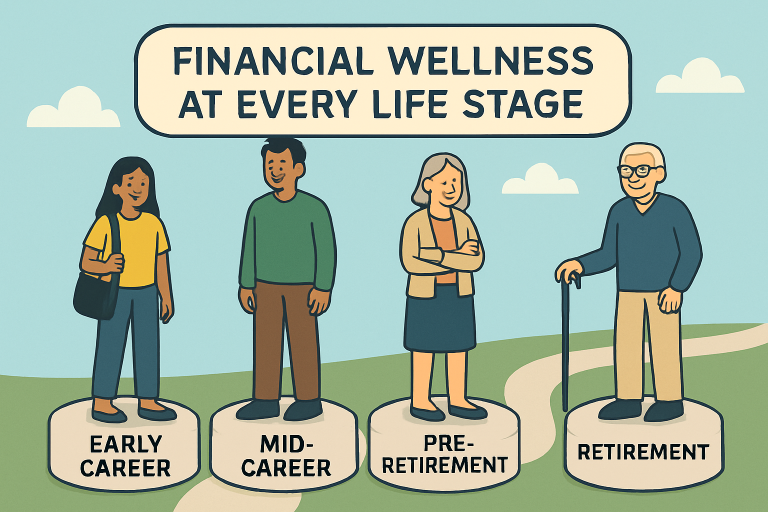
Building a foundation early, expanding and protecting your wealth mid-career, carefully planning pre-retirement, and managing assets wisely in retirement are the pillars of lifelong financial health. Each stage has unique considerations, and the more you know about them, the more empowered you are to make smart money decisions year after year.
No matter your age, continuous learning and regularly revisiting your plan are critical. Simple practices and professional guidance play a significant role in strengthening your finances at any point in life, allowing you to respond flexibly to challenges or new opportunities along the way.
Early Career: Building the Foundation
At the start of your financial journey, your main goals should be awareness and development of good habits that will carry you forward. Establishing a budget is the first and perhaps most empowering step. Start by tracking every dollar: income, expenses, and discretionary spending. This exercise clarifies your patterns and helps you recognize where you can cut back without sacrificing what’s important to you.
Setting up an emergency fund should be your next priority. Experts recommend putting aside three to six months’ worth of living expenses as a safety cushion. This fund is your frontline defense against financial surprises, such as sudden medical bills, car repairs, or job changes.
Another key area is to begin saving for retirement as soon as possible. Take advantage of employer-sponsored retirement accounts like 401(k)s, especially if your employer offers a match. The power of compounding interest can turn even modest early contributions into significant savings over time, as Investopedia explains.
Mid-Career: Expanding and Protecting Wealth
With higher income and more complex financial responsibilities mid-career, it’s essential to create a plan that helps you grow and safeguard your wealth. Regularly review and adjust your budget to reflect life events and evolving goals such as buying a house, raising a family, or pursuing higher education.
Increase your retirement contributions as your salary grows. This proactive step will help provide added security when you retire. Consider diversifying your investments to help balance growth potential and risk. A well-rounded investment portfolio may include stocks, bonds, real estate, and other assets. It’s wise to speak with a financial advisor experienced in your specific needs and goals. Personalized advice can be a game-changer.
Protecting your wealth also means safeguarding against adversities. Adequate health, life, and disability insurance are crucial in this stage of life. Insurance shields your assets and provides peace of mind through changing circumstances. Guidance from trusted sources like NerdWallet can help you compare and choose the right insurance plans for your situation.
Pre-Retirement: Preparing for the Transition
As you approach retirement, preparation becomes even more focused. Begin by assessing your retirement readiness, reviewing your savings, and estimating future expenses to see if you’re financially on track. If not, adjust your retirement savings plan or budget accordingly.
Paying down high-interest debts like credit cards and loans should be a top priority while you’re still working. Carrying debt into retirement can strain your finances and reduce your flexibility. Transparency about your financial status can help you make smarter decisions as you near retirement.
Don’t overlook healthcare costs. Research predicted Medicare or supplemental insurance premiums and out-of-pocket expenses, and considered the impact of long-term care. Being proactive in budgeting for these possibilities will minimize the risk of financial stress down the road.
Retirement: Managing and Preserving Assets
Once you’ve entered retirement, your focus shifts to managing withdrawals, preserving assets, and maintaining your financial independence. Develop a sustainable withdrawal strategy that ensures your savings last throughout retirement. Different account types, tax implications, and required minimum distributions must be considered here.
Keep a close eye on your investments and continue adjusting them to fit your age, health, and evolving goals. Many retirees opt for more conservative investments, but maintaining some growth assets can help protect against inflation.
Stay informed on updates to tax laws, benefits, and health care policies, as these can significantly impact your retirement resources. Reliable sources like Kiplinger offer news, calculators, and tips specifically for retirees who want to safeguard their finances.
Universal Strategies for Financial Wellness
Certain practices benefit you at any life stage. Continuous financial education is key; staying informed enables more intelligent decisions and builds confidence. Many organizations, including the FDIC, offer free, structured learning resources for people of all ages and needs; visit their Financial Education for Every Stage of Life program for trusted information.
Conduct regular financial check-ups to ensure your plan continues to align with your current circumstances and goals. Make updates as needed when you encounter job changes, family additions, or other major life events. Finally, professional advice from a trusted financial expert tailors your strategy to your unique journey and can help you avoid costly missteps.
Building healthy financial habits, proactively preparing for change, and seeking good information are the cornerstones of financial wellness that serve you in every moment and at every milestone.