Table of Contents
- Rising Demand for After-School Programs
- Benefits of Before and After School Care
- Challenges in Accessing Quality Care
- Initiatives to Expand Access
- Role of Public-Private Partnerships
- Importance of Community Involvement
- Future of Before and After School Care
- Final Thoughts
In an era where many parents juggle demanding careers and family life, effective childcare solutions have become increasingly vital. Before- and after-school care programs serve as indispensable, safe havens for children during the hours when their caregivers are unavailable. Options such as daycare and afterschool care offer families peace of mind, knowing their children are cared for, engaged, and enriched during the critical before- and after-school hours.
As families continue to navigate evolving work schedules and responsibilities, these programs are much more than a convenience. They are essential for fostering academic growth and social development and for ensuring child safety throughout the year. The continued growth of such programs underscores their role as a cornerstone of the modern family support system, meeting both practical needs and nurturing children’s well-being.
The impact extends beyond just providing care. High-quality before and after-school programs help bridge educational and social gaps, offering children access to resources and opportunities that may not be available at home or in standard classroom settings. As demand grows, understanding the benefits, challenges, and future possibilities is key to shaping a supportive environment for all families and their children.
Rising Demand for After-School Programs
The need for structured childcare before and after regular school hours has surged, with many parents dependent on these services to bridge the gap between work and school schedules. Data from the Afterschool Alliance reveals that while over 30 million children would benefit from after-school programming, only about 7 million are actually enrolled. This means millions of families nationwide are seeking solutions like after school programs near me to ensure their children are safe, supervised, and stimulated academically once the school bell rings.
This shortage highlights the significant gap between available resources and growing family needs. With economic pressures, more parents are working full-time than ever before, making dependable, accessible childcare a necessity rather than a luxury.
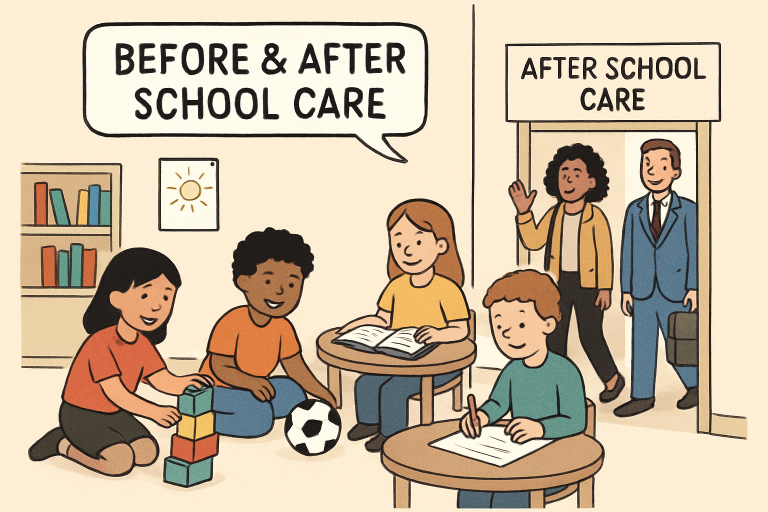
Benefits of Before and After School Care
- Academic Support: These programs provide a structured environment for homework assistance and enrichment activities. This is shown to positively impact academic performance by providing children with targeted support and more time for learning outside school hours. According to Child Trends, high-quality afterschool programs contribute to better grades and improved attitudes toward school.
- Social Development: Children build friendships, practice teamwork, and develop essential social skills in a well-supported, supervised setting. This structure helps foster emotional intelligence and resilience as they learn to interact and collaborate with peers.
- Safety and Supervision: Before- and after-school care ensures that children are monitored when parents are not present. This reduces the risk of accidents or exposure to unsafe situations during the hours when unsupervised activity is most likely.
Challenges in Accessing Quality Care
Despite clear benefits, gaining access to high-quality care remains challenging for many. Significant hurdles include:
- Limited Availability: Many programs are unable to meet demand, leading to long waitlists and unmet needs.
- Cost Barriers: Fees for before and after-school care can pose a major obstacle, especially for low- and middle-income families who rely on every dollar.
- Transportation Issues: Reliable transportation is often lacking, especially in rural or underserved communities, making it difficult for children to attend.
In states like Massachusetts, four out of five families want after-school care but cannot access it due to these barriers.
Initiatives to Expand Access
Innovative policy and programmatic solutions are being rolled out nationwide to meet rising needs. Some states have taken bold action, such as New Mexico’s move to offer universal, free child care for all income levels. This step paves the way for more inclusive access to services.
Program providers are expanding their locations, hiring more staff, and delivering new models of care that cater to diverse family schedules. Champions, KinderCare, and similar organizations serve as examples of how the private sector is banding together to increase capacity and availability for families who need support the most.
Role of Public-Private Partnerships
Collaboration is key to tackling the scale and complexity of childcare access issues. Public-private partnerships blend resources and expertise across different sectors, yielding innovative solutions and stronger programs. Organizations like the Afterschool Alliance work alongside schools, non-profits, and businesses to enhance both funding and accessibility.
Broader Impact Beyond Childcare
When public and private entities work in concert to support before and after-school programs, communities reap broad benefits. Parents gain job security by knowing their children are cared for, employers benefit from a more stable workforce, and local economies are strengthened.
Importance of Community Involvement
Meaningful community engagement drives the longevity and effectiveness of before and after-school care programs. Local businesses, civic organizations, and individual volunteers bring unique resources and support that enrich the programming and create a lasting impact. Direct involvement from families and community stakeholders ensures that programs remain relevant, flexible, and sustainable over time.
By fostering grassroots partnerships, communities can address gaps in transportation, funding, and program diversity, offering every child an equal chance to succeed. Community-driven initiatives ensure that care options reflect local needs and values.
Future of Before and After School Care
- Policy Advocacy: Advocating for policies that sustain funding and support creative solutions will be pivotal to future access and quality.
- Innovative Solutions: Harnessing technology, flexible models, and new implementation strategies can help overcome persistent barriers such as costs and logistics.
- Research and Evaluation: Persistently evaluating what works and what does not will ensure that programs evolve to meet changing family and community needs.
Final Thoughts
Before- and after-school care programs are fundamental to helping modern families balance work and parenting while providing invaluable developmental and academic benefits to children. By expanding access, encouraging community participation, and investing in partnerships and innovation, society can ensure all children have the support and opportunities they need during critical hours outside the traditional school day.