
Evolving Therapeutic Models for Complex Needs
The landscape of mental health and substance abuse treatment is constantly evolving. We’ve seen a significant shift from older, institution-based care to more modern, community-focused support. This change aims to make help more accessible and effective for everyone.
For communities like Hawkins County, TN, understanding these advancements is key. It means better options for individuals and families facing mental health challenges or substance use disorders.
In this guide, we will explore the latest innovations shaping mental health care. We’ll look at new ways to treat complex needs, how care is being brought closer to the community, and the impact of digital technology. We will also discuss how data and personalized approaches are improving outcomes.
Our goal is to provide a clear picture of how treatment is improving. We aim to show how these new approaches are creating a more hopeful path to recovery and well-being.
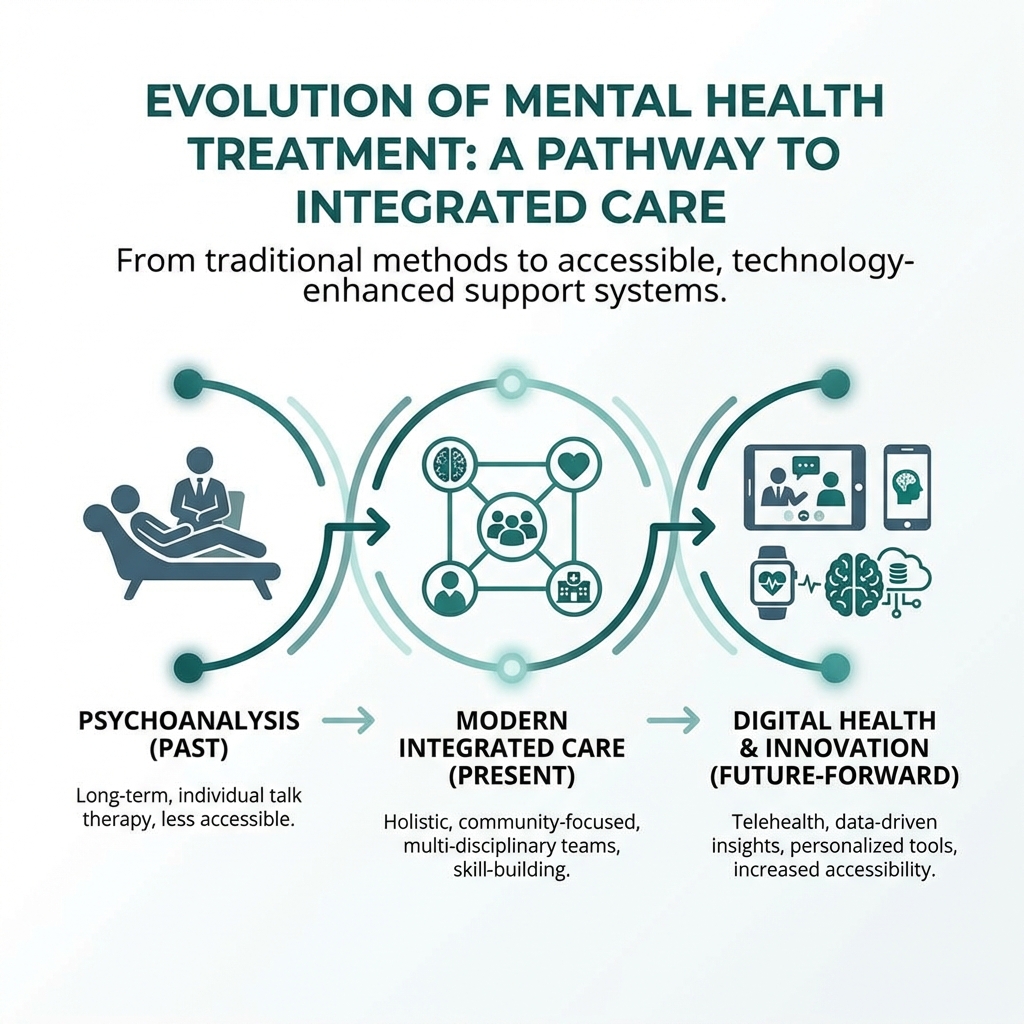
The journey of mental health and substance abuse treatment has moved far beyond the confines of traditional talk therapy. Today, we understand that effective care requires a multi-faceted approach, incorporating a range of evidence-based modalities designed to address the complex interplay of biological, psychological, and social factors. Innovations in this area focus on tailoring treatment to the individual, recognizing that what works for one person may not work for another.
Modern therapeutic models emphasize active engagement and skill-building. Cognitive Behavioral Therapy (CBT), for instance, helps individuals identify and change negative thought patterns and behaviors that contribute to their struggles. Dialectical Behavior Therapy (DBT), often used for more intense emotional regulation challenges, combines CBT techniques with mindfulness, distress tolerance, and interpersonal effectiveness skills. These therapies are not just about discussing problems; they are about equipping individuals with practical tools to manage their mental health and steer life’s challenges more effectively.
Furthermore, Medication-Assisted Treatment (MAT) has emerged as a cornerstone in the treatment of substance use disorders, particularly opioid and alcohol dependence. MAT combines FDA-approved medications with counseling and behavioral therapies, offering a comprehensive approach that addresses both the physiological and psychological aspects of addiction. This integrated strategy has proven to significantly improve treatment outcomes, reduce relapse rates, and improve the overall quality of life for individuals in recovery.
Beyond these well-established methods, experiential therapies are gaining recognition for their ability to engage individuals in non-traditional ways. These can include art therapy, music therapy, recreational therapy, and even adventure-based counseling, all designed to help individuals express emotions, build self-esteem, and develop coping mechanisms in a supportive and creative environment. Such diverse offerings ensure that treatment can be adapted to individual preferences and needs, fostering a more holistic healing process.
The Rise of Integrated Care for Co-Occurring Disorders
One of the most significant advancements in mental health care is the widespread recognition and treatment of co-occurring disorders, often referred to as dual diagnosis. Historically, individuals struggling with both a mental health condition (like depression, anxiety, or PTSD) and a substance use disorder often faced fragmented care, being shuttled between different providers who treated only one aspect of their condition. This siloed approach frequently led to incomplete treatment, higher relapse rates, and poorer long-term outcomes.
Today, the paradigm has shifted towards integrated care, where both conditions are treated simultaneously and in a coordinated manner. This holistic approach recognizes that mental health issues can exacerbate substance use, and vice versa, creating a complex cycle that requires comprehensive intervention. By addressing both disorders concurrently, treatment providers can help individuals understand the intricate relationship between their mental health and their substance use, leading to more effective strategies for managing both.
For instance, Hawkins County innovative dual diagnosis programs are designed to provide comprehensive care that considers the whole person, not just their symptoms. This approach often involves a team of specialists—psychiatrists, therapists, case managers, and addiction counselors—working collaboratively to develop a unified treatment plan. Such coordinated care plans are crucial for individuals navigating the complexities of dual diagnosis, offering them a clear path to recovery that addresses all their needs. The goal is to stabilize mental health symptoms while simultaneously supporting sobriety, fostering resilience, and promoting overall well-being. This integrated model is vital for achieving lasting recovery and improving the quality of life for those affected by co-occurring conditions.
A Key Mental Health Innovation: Specialized Therapies
Beyond the foundational therapies, specialized approaches have been developed to address specific underlying issues that often contribute to mental health and substance use challenges. Trauma, in particular, is increasingly recognized as a significant factor in many behavioral health conditions. Trauma-informed care is an innovation that acknowledges the pervasive impact of trauma and integrates this understanding into all aspects of service delivery. It focuses on creating safe, collaborative, and empowering environments, helping individuals heal from past experiences without re-traumatization.
One powerful specialized therapy within trauma-informed care is Eye Movement Desensitization and Reprocessing (EMDR). EMDR therapy helps individuals process distressing memories and reduce their emotional impact, allowing them to develop healthier coping mechanisms. It’s a structured therapy that has shown remarkable effectiveness in treating post-traumatic stress disorder (PTSD) and other trauma-related conditions, often in a shorter timeframe than traditional therapies.
Family psychoeducation and couples therapy are also vital specialized interventions. These therapies recognize that mental health and substance use issues affect not just the individual but their entire support system. Family psychoeducation provides families with information about mental health conditions and addiction, helping them understand the challenges, reduce stigma, and learn effective communication and support strategies. Couples therapy, similarly, focuses on improving communication, resolving conflicts, and rebuilding trust within relationships, which can be critical for maintaining long-term recovery and stability. By addressing these relational dynamics, specialized therapies aim to mend fractured relationships and build a strong, supportive network essential for sustained well-being. These innovations move beyond symptom management to address the root causes of distress, fostering deeper, more lasting healing.
Systemic Mental Health Innovation: Integrating Care into the Community
The vision for modern mental health care extends far beyond the traditional clinic walls. A significant innovation in the field is the shift towards a public health approach, actively integrating care into the community where individuals live, work, and interact. This systemic innovation aims to make mental health and substance abuse services more accessible, less stigmatizing, and more responsive to the real-world challenges people face. By embedding support within existing community structures, we can reduce recidivism, lower hospitalization rates, and foster robust support networks that promote long-term recovery and well-being. This approach recognizes that recovery is not just about individual treatment but also about creating a supportive and enabling environment.
Community-based care models prioritize early intervention and prevention, addressing issues before they escalate into crises. This can involve partnerships with schools, workplaces, and local organizations to provide educational programs, screenings, and immediate support. The goal is to create a seamless web of services that individuals can tap into at various points of need, ensuring that help is available when and where it’s most effective. This integration also helps to destigmatize mental health and substance use challenges by normalizing the conversation and presenting care as a routine aspect of health, much like physical health.
Moreover, this community integration fosters a sense of belonging and collective responsibility. When individuals feel supported by their community, they are more likely to engage in treatment, maintain sobriety, and participate actively in their recovery journey. This systemic innovation is about building resilient communities that can collectively address mental health and substance abuse challenges, moving towards a future where comprehensive care is a fundamental right, not a privilege.
The Transformative Role of Recovery Courts
A powerful example of systemic innovation in integrating care into the community comes from the justice system: the rise of recovery courts. These judicially-supervised court dockets represent a shift from purely punitive measures to a more rehabilitative approach for individuals with substance use disorders and mental health challenges who have become involved with the legal system. Instead of incarceration, recovery courts offer a pathway to treatment and recovery under close legal and clinical supervision, ultimately aiming to reduce correctional costs, protect community safety, and improve public welfare.
In a recovery court, non-violent individuals with substance use disorders participate in rigorous, judicially-supervised treatment programs. This involves regular court appearances, mandatory drug testing, and access to a range of therapeutic and rehabilitative services. The judge, probation officers, treatment providers, and other court personnel work as a team, providing both accountability and support. This collaborative model helps participants steer the challenges of recovery while addressing the underlying issues that led to their legal troubles.
Tennessee has accepted this innovative approach, establishing various types of recovery courts to meet diverse needs:
- Adult Drug Courts: These are specially designed court calendars focused on reducing recidivism and substance abuse among drug-involved adult offenders. They provide continuous, intense judicially-supervised treatment, mandatory periodic drug testing, community supervision, and rehabilitation services.
- Veterans Treatment Courts: Recognizing the unique challenges faced by service members, these hybrid drug and mental health courts use the recovery drug court model to serve veterans struggling with addiction, serious mental illness, and/or co-occurring disorders. They leverage partnerships with VA networks and veteran mentors to promote sobriety and stability.
- Mental Health Courts: Developed in response to the overrepresentation of individuals with mental illnesses in the criminal justice system, these courts divert select defendants with mental health disorders into judicially-supervised, community-based treatment. A team of court staff and mental health professionals develops treatment plans and supervises participants.
- DWI Courts: These distinct post-conviction court systems are dedicated to changing the behavior of alcohol-dependent repeat offenders arrested for driving while impaired. They apply the drug court model to address the root cause of impaired driving.
- Juvenile Drug Courts: Operating within juvenile courts, these dockets handle delinquency cases where youth have problems with alcohol and/or other drugs. A designated judge and treatment team frequently meet to address the substance abuse and related problems of the youth and their family.
- Family Dependency Treatment Courts: These juvenile or family court dockets identify abuse, neglect, and dependency cases where parental substance abuse is a primary factor. They unite judges, attorneys, child protection services, and treatment personnel to provide safe homes for children and support for parents to achieve abstinence and family reunification.
These recovery courts exemplify a profound innovation in how society addresses addiction and mental illness within the justice system, offering a path to healing and reintegration rather than just punishment.
Expanding Support with Ancillary and Community-Based Services
Beyond formal treatment programs and recovery courts, a robust network of ancillary and community-based services forms a critical layer of systemic innovation in mental health care. These services are designed to provide comprehensive support that addresses the social determinants of health, recognizing that recovery is deeply intertwined with stable housing, employment, social connections, and overall well-being. By offering support that extends beyond clinical sessions, we can create a more resilient and supportive environment for individuals navigating their recovery journey.
One such innovation is Assertive Community Treatment (ACT). ACT is an intensive, integrated, and highly individualized approach for individuals with severe mental illness who have difficulty engaging in traditional outpatient services. ACT teams provide services in the community, often in clients’ homes or other natural settings, delivering psychiatric treatment, medication management, crisis intervention, and support for daily living. This proactive, hands-on approach helps prevent hospitalizations and promotes greater independence.
Case management services are another cornerstone of community-based support. Case managers play a vital role in coordinating care, linking individuals to essential community resources, and advocating on their behalf. For example, Frontier Health – Hawkins County Mental Health Center provides case management services that are home and community-based. These services support treatment goals and provide crucial linkages to community resources, ensuring individuals have access to everything from medical appointments to legal aid, housing, and food assistance. This comprehensive support helps individuals steer complex systems and maintain stability.
Peer support specialists, individuals with lived experience of mental health or substance use recovery, offer invaluable support. They provide empathy, encouragement, and practical guidance, serving as role models and mentors. Their unique perspective fosters trust and can be particularly effective in engaging individuals who may be resistant to traditional forms of treatment. Peer support is a powerful innovation that leverages personal experience to build connection and hope.
Furthermore, community-based services often include linkage to housing and vocational resources, which are fundamental for long-term recovery. Stable housing provides a safe environment, while meaningful employment fosters purpose and financial independence. Many programs also extend into school-based settings, offering early intervention, mental health education, and support for children and adolescents. Frontier Health’s Project Basic Classroom program, for instance, targets appropriate expressions of feelings, social skills, conflict resolution, and problem-solving skills with fun, challenging activities for children. This proactive approach helps build resilience from a young age.
Finally, suicide prevention services are increasingly integrated into community care, offering crisis intervention, education, and support for individuals at risk and their families. The availability of 24-hour crisis hotlines, such as the Tennessee Statewide Crisis Line (1-855-274-7471) or the national 988 lifeline, provides immediate support, underscoring the commitment to a comprehensive, community-integrated system of care that addresses needs at every level.
The Digital Revolution in Mental Health Services

The advent of digital technology has sparked a revolution across nearly every sector, and mental health services are no exception. This digital change represents a profound innovation, offering unprecedented opportunities to overcome long-standing barriers to care, improve patient engagement, and significantly improve practice efficiency. For individuals in rural areas like parts of Hawkins County, or those with mobility challenges, digital solutions can be the new front door to essential support.
The digital revolution addresses critical issues such as geographic isolation, which often limits access to specialized care. It also provides flexibility for individuals with demanding schedules or those who face transportation difficulties. By leveraging technology, we can extend the reach of mental health professionals, making quality care more equitable and accessible to a wider population. This shift is not just about convenience; it’s about fundamentally rethinking how mental health services are delivered and consumed, placing the individual’s needs and circumstances at the forefront.
Moreover, digital tools can improve patient engagement by offering interactive platforms for learning, self-monitoring, and communication. Secure patient portals, for example, allow individuals to access their health information, schedule appointments, and communicate with their care team outside of traditional office hours. This continuous connection can foster a greater sense of partnership in the recovery process, empowering individuals to take a more active role in their well-being. The integration of digital solutions is truly reshaping the landscape of mental health care, making it more responsive, inclusive, and effective.
Telehealth and Telemedicine: The New Front Door to Care
Telehealth and telemedicine have rapidly transitioned from supplementary services to essential components of modern mental health care, particularly accelerated by recent global events. This innovation has fundamentally reshaped how individuals access and receive support, effectively becoming a new, highly accessible front door to care. For many, virtual appointments offer a level of convenience and privacy that traditional in-person sessions cannot match.
Through telehealth, individuals can engage in virtual individual and group therapy sessions from the comfort and safety of their homes. This eliminates barriers such as transportation costs, time off work, childcare arrangements, and the potential stigma associated with visiting a clinic. Remote psychiatric evaluations and medication management are also widely available via telemedicine, allowing individuals to consult with psychiatrists and nurse practitioners without geographical constraints. This is particularly beneficial for rural and underserved populations, where access to mental health specialists can be severely limited.
Digital crisis intervention services, often delivered through secure video platforms or dedicated apps, provide immediate support during acute mental health crises. These services ensure that individuals can receive timely and professional help when they need it most, potentially preventing escalation and hospitalization. For example, clinics like Dragonfly Medical and Behavioral Health offer telehealth services, making it easier for patients to connect with providers. While they also provide in-person services with specific clinic hours (Tuesday-Thursday 2 pm – 8 pm, Friday 9 am – 12 pm, Saturday 8 am – 3 pm) and urine drug screen hours (Tuesday-Thursday 2 pm – 8 pm, Friday 9 am – 12 pm, Saturday 7 am – 2 pm), their accept of telehealth expands their capacity to serve a broader community. This blend of in-person and virtual care represents a flexible and patient-centered approach, significantly increasing accessibility and ensuring continuity of care.
A Key Mental Health Innovation in Practice Management
Beyond direct patient care, the digital revolution has brought about transformative innovations in the practice management of mental health services. These advancements are crucial for ensuring that clinics and providers can operate efficiently, securely, and effectively, ultimately enhancing the quality of care delivered. Streamlined administrative workflows are at the heart of this innovation. Electronic health records (EHRs) and practice management software automate tasks that were once manual and time-consuming, such as scheduling, record-keeping, and appointment reminders. This allows staff to dedicate more time to patient interaction and less to paperwork, improving both efficiency and job satisfaction.
Secure patient portals are another vital innovation. These platforms provide a safe and confidential channel for communication between patients and providers, allowing individuals to access their treatment plans, lab results, and educational resources. They also facilitate secure messaging, enabling patients to ask questions or seek clarification without needing an immediate appointment. This transparency and ease of communication foster a stronger therapeutic alliance and empower patients to be more involved in their own care journey.
Integrated billing and insurance processing systems have also revolutionized practice management. These digital tools automate the complex process of submitting claims, verifying insurance eligibility, and managing payments. This reduces administrative errors, speeds up reimbursement, and helps clinics manage their financial health more effectively. For patients, it can mean clearer understanding of costs and less hassle with insurance paperwork. For instance, facilities like Frontier Health – Hawkins County Mental Health Center accept a wide array of payment options, including Medicare, Medicaid, Private Health Insurance, and cash or self-pay, with digital systems making the processing of these diverse payment methods more efficient.
Finally, HIPAA-compliant data management systems are paramount in the digital age. These systems ensure the privacy and security of sensitive patient information, protecting against breaches and maintaining trust. By adhering to strict regulatory standards, digital practice management tools enable clinics to leverage technology’s benefits while upholding their ethical and legal obligations to patient confidentiality. These innovations in practice management are not merely technological upgrades; they are fundamental shifts that support a more organized, responsive, and ultimately more effective mental health care system.
The Future of Care: Data, Personalization, and Quality Assurance
As we look to the horizon of mental health care, the future is undeniably shaped by the intelligent use of data, the relentless pursuit of personalization, and an unwavering commitment to quality assurance. These three pillars are converging to move us towards a system that is not just reactive but predictive and preventative, capable of anticipating needs and intervening before crises escalate. This forward-looking approach promises to transform mental health from a response to illness into a proactive strategy for well-being.
The integration of data analytics into mental health practice is allowing us to identify patterns, understand treatment efficacy, and predict potential risks with greater precision. By analyzing aggregated, anonymized patient outcomes, we can gain insights into which therapies work best for specific conditions or demographics, leading to more informed clinical decisions. This continuous feedback loop fuels ongoing quality improvement, ensuring that treatment protocols are constantly refined and updated based on real-world evidence.
Moreover, the emphasis on personalization recognizes that each individual’s journey is unique. Rather than a one-size-fits-all approach, future care models will increasingly tailor interventions to the specific genetic, psychological, social, and environmental factors influencing an individual’s mental health. This bespoke approach, informed by data and individual preferences, promises to make treatment more relevant, engaging, and ultimately, more successful. Quality assurance, through rigorous accreditation and outcome measurement, serves as the guardian of these innovations, ensuring that as care evolves, its standards remain exceptionally high, fostering trust and accountability within the system.
Tailoring Treatment for Diverse Populations
A critical innovation in mental health care is the move towards highly custom treatment programs that recognize and address the unique needs of diverse populations. The understanding that “one size does not fit all” has led to the development of specialized approaches designed to be more effective and culturally competent for various groups within our communities.
For instance, specialized programs for adolescents are crucial. Young people face distinct developmental challenges, peer pressures, and educational demands that require treatment approaches different from those for adults. Programs like Frontier Health’s Project Basic Classroom, which focuses on social skills and emotional expression through engaging activities, exemplify this custom approach. These programs often integrate family therapy, school collaboration, and age-appropriate therapeutic modalities to support healthy development and prevent long-term issues.
Similarly, services for seniors and older adults are being refined to account for age-related factors such as cognitive changes, grief and loss, chronic health conditions, and social isolation. Treatment plans for this demographic often involve a focus on maintaining independence, managing medication complexities, and fostering social connections, ensuring that mental health care supports their overall quality of life.
Gender-specific care for men and women is another important innovation. Recognizing that men and women often experience and express mental health and substance use issues differently, specialized programs can provide more comfortable and effective environments. For example, some facilities offer separate residential programs for men and women, allowing for discussions and therapeutic interventions that are sensitive to gender-specific experiences and societal expectations.
Culturally competent treatment for diverse communities ensures that services are delivered in a way that respects and integrates the cultural beliefs, values, and languages of individuals. This involves training staff in cultural sensitivity, offering services in multiple languages (such as the interpreting services and Spanish language services provided by Hawkins County Mental Health Center), and adapting therapeutic techniques to be culturally relevant. This approach builds trust and improves engagement, leading to better outcomes for individuals from various ethnic and cultural backgrounds.
Finally, veteran-centric services acknowledge the specific traumas and challenges faced by military personnel and veterans, such as PTSD, moral injury, and reintegration difficulties. These programs often incorporate peer support from fellow veterans, specialized trauma therapies, and coordination with VA benefits and services, ensuring that those who have served receive the targeted care they deserve. By tailoring treatment to these diverse populations, we move closer to a truly equitable and effective mental health care system.
Leveraging Data and Accreditation for Better Outcomes
The future of mental health care is deeply intertwined with the strategic leveraging of data and the robust framework of accreditation. These elements are not merely administrative necessities; they are powerful drivers of continuous quality improvement, ensuring that treatment is not only effective but also consistently evolving to meet the highest standards.
Using research to inform treatment is a cornerstone of modern, evidence-based practice. By collecting and analyzing outcome data, providers can assess the efficacy of different therapeutic approaches, identify areas for improvement, and adapt their services based on what truly works. This data-driven approach moves mental health care beyond anecdotal evidence, grounding it in measurable results and scientific rigor. For instance, the Addiction Resource Score, which evaluates facilities based on operations, customer satisfaction, and trust metrics, signifies an industry-wide push for data-informed transparency and quality.
Adherence to best practice standards is another crucial aspect. Professional guidelines and clinical protocols, developed through extensive research and expert consensus, provide a roadmap for delivering high-quality care. When treatment centers commit to these standards, they ensure that their services are aligned with the most current and effective interventions available.
The role of accreditation bodies, such as the Commission on Accreditation of Rehabilitation Facilities (CARF), is paramount in this ecosystem. CARF accreditation is a rigorous process that evaluates a facility’s programs, services, and administrative functions against internationally recognized standards. For example, Frontier Health – Hawkins County Mental Health Center is accredited by CARF, which ensures the highest standards of care. This accreditation signifies a commitment to excellence, continuous improvement, and a focus on person-centered services. It provides an external validation of a facility’s quality, offering peace of mind to individuals and families seeking care.
Measuring treatment efficacy through systematic outcome tracking allows providers to understand the real-world impact of their interventions. By monitoring patient progress, relapse rates, and overall well-being, clinics can identify successful strategies and pinpoint areas where adjustments are needed. This continuous evaluation process is vital for creating truly individualized care plans that are responsive to each person’s unique journey and needs. Leveraging data and accreditation fosters a culture of accountability and excellence, driving the mental health field towards increasingly better outcomes for all.
Conclusion
The landscape of mental health and substance abuse treatment is undergoing a profound change, marked by a series of innovations that promise a more accessible, effective, and compassionate future. We’ve explored how integrated and holistic treatment models are addressing the complex interplay of mental health and substance use disorders, exemplified by services that provide comprehensive care for co-occurring conditions. The emphasis on specialized therapies, such as trauma-informed care and EMDR, further refines our ability to address the root causes of distress.
Beyond individual treatment, systemic innovations are embedding care directly into the community. The transformative role of recovery courts, with their judicially-supervised treatment programs, offers a rehabilitative path within the justice system, reducing recidivism and fostering recovery. This is complemented by an expansion of ancillary and community-based services, including assertive community treatment, case management, and peer support, all designed to build robust support networks and address social determinants of health.
The digital revolution has brought about unprecedented accessibility through telehealth and telemedicine, overcoming geographic and mobility barriers, and enhancing patient engagement. Simultaneously, innovations in practice management are streamlining administrative workflows, securing patient data, and improving the overall efficiency of care delivery.
Looking ahead, the future of care is deeply rooted in data, personalization, and quality assurance. By tailoring treatment for diverse populations—adolescents, seniors, veterans, and various cultural groups—we ensure that care is relevant and effective for everyone. Leveraging data and accreditation, such as CARF, drives continuous quality improvement, leading to truly individualized care plans and better outcomes.
These innovations collectively paint a picture of a mental health landscape that is increasingly integrated, community-focused, technologically advanced, and deeply committed to personalized, evidence-based care. As we continue to accept these advancements, we move closer to a future where mental health and substance use support is not just available, but truly effective, accessible, and empowering for all.