In an increasingly digital world, technical abilities are no longer the only skills that define professional success. Employers now place significant emphasis on soft skills—those interpersonal, communication, and emotional intelligence abilities that help individuals collaborate and lead effectively.
However, teaching and practicing these skills can be challenging, especially in traditional classroom or online formats. This is where vr soft skills training comes into play.
VR training transforms learning by immersing participants in realistic scenarios that encourage active engagement and practical application. Instead of reading about communication strategies or watching videos, learners step into simulated environments where they can practice, make mistakes, and learn from them in real time. In this blog post, we’ll explore what VR soft skills training is, its benefits, key use cases, and how organizations can implement it effectively.
What Is VR Soft Skills Training?
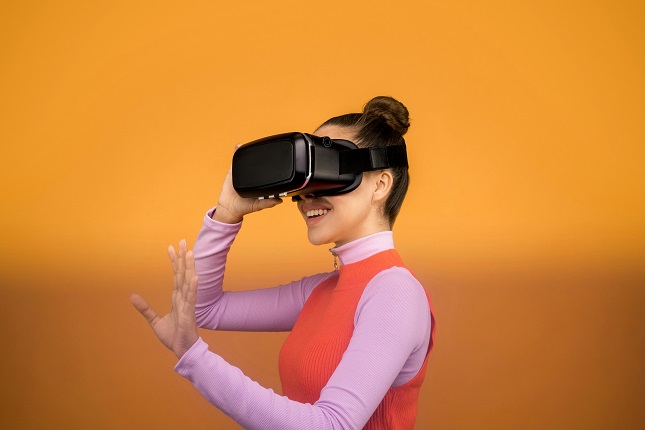
VR soft skills training uses immersive technology to simulate real-world environments for the purpose of practicing interpersonal skills. Through VR headsets and interactive scenarios, learners can engage in lifelike conversations, navigate challenging workplace situations, and build confidence in a safe, controlled setting.
Unlike traditional training methods, VR puts learners inside the experience. Participants interact with virtual characters, respond to dynamic events, and receive feedback based on their decisions. This hands-on approach helps bridge the gap between theoretical knowledge and practical application.
Why Soft Skills Matter
Soft skills are essential across nearly every profession and industry. Some of the most valued include:
- Communication: Clearly expressing ideas and actively listening.
- Emotional Intelligence: Understanding and managing emotions, both one’s own and others’.
- Conflict Resolution: Navigating disagreements constructively.
- Leadership: Guiding teams with empathy and clarity.
- Collaboration: Working effectively with diverse groups of people.
Research consistently shows that employees with strong soft skills perform better, adapt more quickly to change, and contribute to healthier workplace cultures. These skills are particularly important in roles requiring customer interaction, teamwork, or leadership.
Benefits of VR Soft Skills Training
Enhanced Engagement and Retention
Traditional training formats, like lectures or slide decks, often fail to keep learners fully engaged. VR grabs attention by placing learners in immersive experiences where they must think and act as they would in real life. This active participation enhances information retention and skill transfer.
Safe Space for Practice
Practicing difficult conversations—such as delivering feedback or handling conflict—can be nerve-wracking in real life. VR provides a safe environment where learners can experiment with different approaches without fear of real-world consequences. Mistakes become learning opportunities.
Personalized and Repeatable Experiences
VR training can adapt to individual learning styles and progress at a learner’s pace. Unlike role-plays with peers, VR scenarios can be repeated multiple times, which reinforces mastery and confidence.
Objective Feedback and Analytics
Many VR training platforms capture performance data—such as response time, tone of voice, and decision patterns—that can be shared with learners to reflect on their strengths and areas for growth. This objective feedback complements subjective reflection and enhances self-awareness.
Key Use Cases for VR Soft Skills Training
Customer Service and Sales
Frontline employees often face complex interactions with customers. VR training allows them to practice active listening, empathy, and problem-solving in simulated shop floors, call centers, or sales meetings. By rehearsing customer scenarios, employees can handle real interactions with greater confidence and professionalism.
Leadership and Management Development
Managing a team involves more than assigning tasks. Leaders need to provide constructive feedback, navigate conflict, and inspire performance. VR scenarios can simulate one-on-one reviews, team meetings, and ethical dilemmas to help future leaders practice and refine their approach.
Diversity and Inclusion Training
Conversations about diversity, equity, and inclusion can be sensitive and nuanced. VR puts learners in scenarios that require perspective-taking and empathy, helping them understand different viewpoints and respond thoughtfully. This experiential approach encourages deeper insight than passive learning.
Healthcare and Education
In healthcare, effective communication can impact patient outcomes. VR allows practitioners to practice bedside manner, empathy, and clear communication under realistic conditions. In educational settings, teachers can rehearse classroom management and student engagement techniques.
How Organizations Can Implement VR Soft Skills Training
Start with Clear Learning Objectives
Before adopting VR training, organizations must define what they want learners to achieve. Are they focusing on communication, leadership, conflict resolution, or all of the above? Clear goals help design meaningful scenarios and measure success.
Integrate with Broader Learning Programs
VR should complement—not replace—other training methods. Blending VR with workshops, coaching, and reflection sessions creates a holistic learning experience that reinforces concepts from multiple angles.
Provide Support and Debriefing
After VR sessions, learners benefit from guided reflection. Facilitators can help individuals process their experiences, discuss what they learned, and identify strategies for applying new skills in the workplace.
Evaluate and Iterate
Collect feedback from learners and track performance improvements over time. Use this data to refine scenarios, address gaps, and ensure the VR program continues to meet evolving needs.
Conclusion: Preparing for the Future of Work
As workplaces evolve, so too must our approach to learning. VR soft skills training represents a powerful tool for developing human-centered capabilities that are essential in today’s complex and collaborative environment. By immersing learners in real-world scenarios, providing actionable feedback, and creating a safe space for practice, VR helps individuals build confidence and competence that translate into meaningful workplace performance.
Whether you’re an HR professional, a learning and development leader, or simply someone curious about the future of training, VR offers an engaging and impactful way to cultivate the soft skills that matter most.