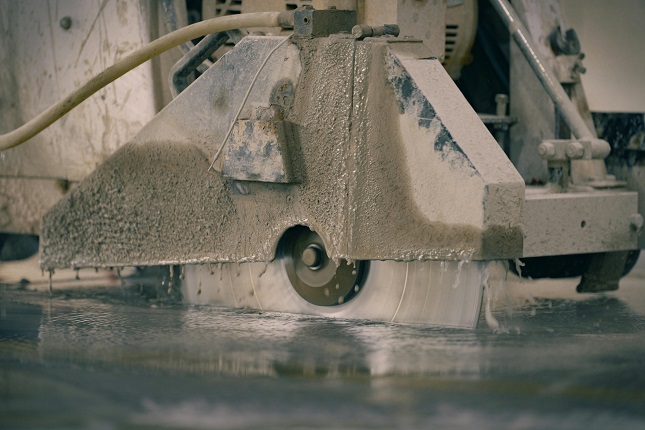
Concrete grinding is an essential process in many construction, renovation, and flooring projects. Whether you’re preparing a surface for polishing, leveling uneven floors, removing coatings, or repairing damaged concrete, choosing the right concrete grinding solution can make all the difference. In this blog post, we’ll explore various concrete grinding solutions, techniques, and tips to help you achieve excellent results — whether you’re a seasoned professional or a motivated DIYer. We’ll also discuss common challenges and how to overcome them.
Understanding Concrete Grinding
Concrete grinding is the process of removing surface materials and imperfections from concrete slabs. This is done using specialized machinery equipped with grinding discs or abrasive tools. The goal of grinding can vary widely — from smoothing rough surfaces to preparing a floor for a decorative finish. Grinding helps improve safety, enhance aesthetics, and create a more durable surface.
Why Concrete Grinding Matters
1. Surface Preparation
Before applying coatings, adhesives, sealers, or polished finishes, the existing concrete surface must be free of irregularities. Grinding removes bumps, ridges, and contaminants, ensuring a smooth and receptive surface.
2. Leveling and Flattening
Old or poorly finished concrete can have dips, high spots, or uneven areas. Grinding levels these inconsistencies, creating a flat and safe walking or working surface.
3. Coating and Adhesion
If paints, epoxies, or other surface treatments are going to be applied, grinding helps improve adhesion. A properly ground surface allows coatings to bond effectively, extending their lifespan.
4. Aesthetic Enhancement
For decorative concrete floors, grinding is often the first step in achieving a polished, shiny, and visually appealing finish.
Types of Concrete Grinding Tools
Handheld Grinders
Handheld grinders are compact and versatile. They’re ideal for small areas, edges, corners, and hard-to-reach sections. While they may not deliver the same power as larger machines, they’re indispensable for detail work.
Best Uses:
- Edge work along walls
- Small patches or confined spaces
- Light grinding and surface preparation
Walk-Behind Grinders
Walk-behind grinders are more powerful and suitable for medium to large floor areas. They typically have one to three grinding heads and can accommodate a variety of abrasive attachments.
Best Uses:
- Large open floor areas
- Leveling uneven slabs
- Preparing floor surfaces for coatings
Ride-On Grinders
For the largest industrial or commercial projects, ride-on grinders deliver maximum efficiency. Operators sit on the machine, which can house multiple grinding heads and offer significant ground coverage in less time.
Best Uses:
- Big warehouse floors
- Large scale polishing
- Heavy material removal
Choosing the Right Abrasive Media
Grinding performance depends not only on the machine but also on the abrasive tools used. Diamonds are the most common abrasive choice due to their hardness and effectiveness on concrete.
Diamond Grinding Discs
Diamond discs come in various grit levels:
- Coarse grits (30–40): Best for heavy material removal and surface leveling.
- Medium grits (60–80): Balanced for surface preparation and initial smoothing.
- Fine grits (100–200+): Perfect for polishing and finishing work.
Choosing the correct grit sequence helps ensure a smooth transition from rough grinding to polished finish.
Key Techniques for Effective Grinding
Start with Assessment
Before grinding, inspect the concrete surface for cracks, major defects, or embedded objects. Planning your approach helps you avoid damage and choose the right tools.
Work in Sections
For large areas, divide the space into manageable sections. This helps maintain consistent pressure and ensures even grinding across the entire floor.
Maintain a Steady Pace
Avoid rushing. Move the grinder at a consistent pace to prevent gouging the surface or missing areas. Let the machine do the work without forcing it.
Dust Management
Grinding generates dust. Use a vacuum attachment or dust collection system to minimize airborne particles. This protects both the operator and the environment.
Common Challenges and How to Handle Them
Uneven Surface
If the floor has deep dips or significant unevenness, start with coarse grinding discs. Take it slow and check your progress frequently.
Stubborn Coatings
Old paint, adhesives, or old coatings can be difficult to remove. Pre-soaking with appropriate solvents or using dedicated stripping discs can help.
Excessive Dust
Without proper dust control, your workspace can become messy and unsafe. Always connect a high-quality dust extraction vacuum and wear appropriate protective gear.
Safety Considerations
Concrete grinding involves powerful machinery and airborne dust. Always wear:
- Eye protection
- Hearing protection
- Respiratory mask
- Sturdy footwear
Ensure the grinder is in good working condition and that electrical connections are safe — especially in wet or high-traffic areas.
Conclusion
Concrete grinding may seem intimidating at first, but with the right tools, techniques, and planning, it becomes a manageable and rewarding process. Whether you’re preparing a floor for a polished finish or leveling out old concrete, understanding your options and best practices will help you achieve professional-grade results. From handheld grinders for small jobs to ride-on machines for large areas, there’s a solution that fits every project size and requirement. Concrete grinding isn’t just about removing material — it’s about transforming surfaces into durable, smooth, and functional spaces for whatever comes next.