The typhoon season in the Philippines can be unpredictable. Storms can bring intense winds, heavy rainfall, and flooding, often with little warning. Due to their sudden onset, these natural events pose a threat to a household’s property and personal safety. But while it’s difficult to predict the kind of damage a typhoon can cause, preparing for these calamities can still minimize risks and reduce potential losses.
Being prepared ensures your home is well-secured and your family can respond effectively when storms strike, giving you peace of mind. Let’s go through practical measures you can take to strengthen your household and protect your well-being.
Repair Existing Leaks on the Roof and Walls
The roof and exterior walls are the most exposed parts of a home, and small issues can be amplified into major structural problems in the event of a storm. For instance, leaks that may seem tolerable during drizzles can let in copious amounts of water during a typhoon, weakening your home’s structure. If neglected, water can seep deeper into the building and collect in difficult-to-reach areas, causing even more problems.
Thus, inspecting these areas before storms arrive gives you the chance to address vulnerabilities while conditions are still safe. Should you find cracks or leaks, repair them ahead of time so that your home can withstand heavy rain and strong winds.
However, the cost of repairs can sometimes be high, especially if the damage has been neglected for some time. To manage this safely, you can borrow money online from a reputable digital bank like Maya. This approach offers a fast and convenient way to cover emergency expenses. Maya Easy Credit, for example, lets you borrow up to PHP 30,000, which will be credited to your Maya account instantly. If you need more funds for bigger repairs, you can opt for Maya Personal Loan instead, with a maximum loanable amount of PHP 250,000 and a low add-on rate of 0.77%. With quick access to funds, you can secure the materials and professional help needed to make timely repairs.
Trim the Trees in Your Yard and Near Your Home
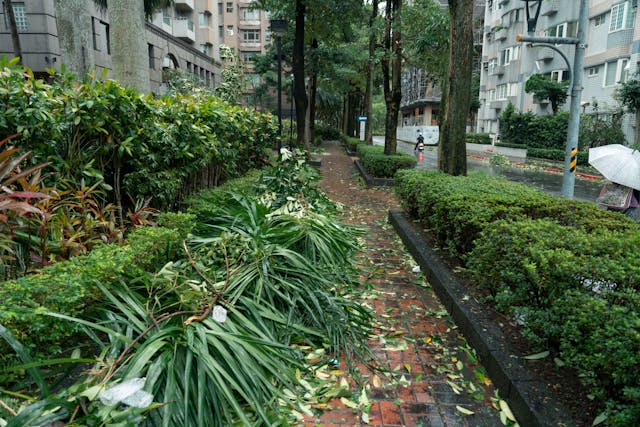
Trees add beauty and shade to a property, but during a typhoon, overgrown or dead branches can become dangerous projectiles. Limbs that hang over the roof or are close to windows increase the risk of damage when strong winds hit, putting both your home and family at risk.
Thus, regularly trimming the trees in and around your yard helps reduce these hazards. Before the rainy season hits, remove weak or dead branches to reduce the chance that they will break off and cause injury or property damage. Keeping trees in good health also helps prevent them from weakening and falling over during storms, keeping your yard and home safer for your family.
Elevate Appliances and Electrical Systems in Flood-Prone Areas
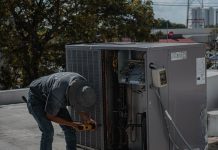
During a typhoon, heavy rains can quickly cause flooding, and appliances or electrical systems placed directly on the floor are at high risk of damage. Water can short-circuit devices, corrode wiring and contact points, and create serious safety hazards for anyone in the home, potentially leading to fires or electrocutions.
Placing appliances on raised platforms or moving them to higher floors helps protect them from water damage and buys you some time to keep them safe. It also makes cleanup easier after the floodwaters recede, minimizing downtime of household activities. If you have the budget, have a professional electrician elevate any electrical panels and outlets on the ground floor to mitigate catastrophic damage should floodwaters rise.
Prepare a Go-Bag for Each Member of Your Family
A go-bag provides immediate access to essential items, allowing each person to be self-sufficient during an evacuation or sudden power outage. Each bag should include essentials that cover basic survival and personal needs, such as a change of clothing, important documents, personal hygiene items, medications, and a flashlight with extra batteries. Adding a fully charged phone and a power bank in each bag ensures that family members can stay connected and access emergency information when needed.
Importantly, try to include enough non-perishable food and bottled water to sustain your family and pets if evacuation or temporary shelter becomes necessary. Assigning a go-bag to every member guarantees that everyone has access to what they need, minimizing the stress and confusion that often arise during sudden evacuations.
Orient Family Members About Evacuation Procedures
In case an evacuation becomes necessary, knowing what to do can make a significant difference in keeping your family safe. However, it’s easy to panic or become disoriented in such situations. Therefore, it’s in your best interest to educate your family about proper evacuation procedures beforehand to ensure everyone can act quickly and confidently during an evacuation.
Begin by making sure everyone understands the evacuation routes and the locations of nearby shelters. This way, no one wastes time figuring out where to go when warnings are issued. Next, explain the meaning of official warnings such as storm alerts or evacuation announcements so that your family can interpret instructions correctly and respond without hesitation.
Lastly, assigning each family member clear responsibilities, like gathering emergency supplies, helping younger children, or checking on elderly family members, ensures they know their role when action is needed. Practicing these steps together allows your household to respond efficiently, reducing confusion and improving everyone’s chances of reaching safety during a typhoon.
Be Ready Before the Rain Falls
Typhoon season can be unpredictable, but careful planning can help you face it with confidence. Taking steps to anticipate challenges allows you to move on with daily life while still remaining adaptable, ensuring you can respond effectively during severe weather. With these strategies in place, you can approach the season knowing that you and your loved ones are prepared for whatever comes your way.