Key Takeaways
- Urban trees in Boulder face unique challenges from urbanization, climate, and limited green space.
- Smart solutions, such as data-driven monitoring and nature-based interventions, are vital for tree vitality and canopy expansion.
- Community programs and active resident involvement play a leading role in preserving Boulder’s urban forestry legacy.
Table of Contents
- Challenges of Urban Tree Care in Boulder
- Data-Driven Approaches to Tree Health
- Nature-Based Solutions for Urban Forests
- Community Engagement in Tree Care
- Local Programs Supporting Urban Forestry
- Frequently Asked Questions
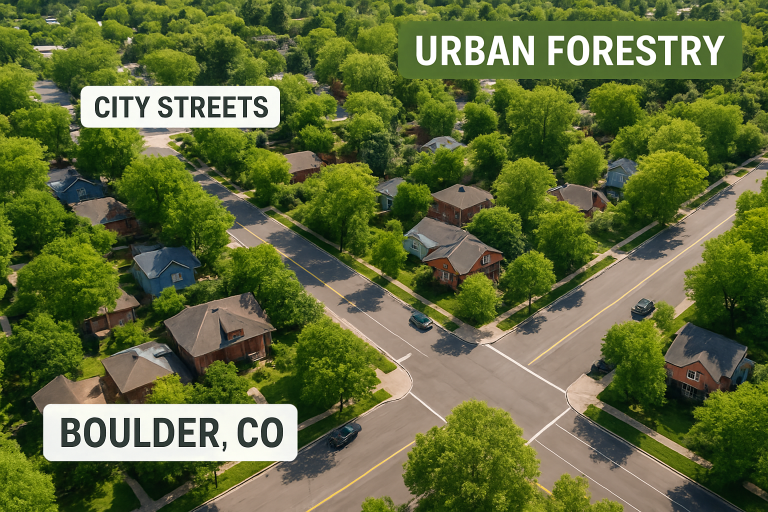
Urban trees are the green heartbeat of Boulder, Colorado, contributing not only to the city’s scenic beauty but also its environmental health and resident well-being. These trees shade our homes, clean the air, enhance biodiversity, and provide crucial cooling as urban temperatures rise. Yet, trees in Boulder’s urban landscapes face numerous challenges, such as limited root space, soil compaction, and environmental stressors. For homeowners, businesses, and city planners seeking to nurture this valuable canopy, partnering with an experienced local provider is essential.
Roots Up Tree Service has established itself as a trusted authority in urban forestry, offering expert tree care, emergency response, and reliable tree removal in Boulder, CO and surrounding areas. Their deep understanding of Boulder’s unique tree species and city ordinances ensures your landscape receives informed and eco-friendly care, whether you need hazardous tree removal, pruning, or consultations for long-term urban canopy health.
Implementing innovative, smart tree-care strategies is crucial to addressing these urban realities. Advances in technology, community involvement, and nature-based planning are transforming how the city manages its green spaces. With a focus on proactive maintenance, sustainability, and inclusivity, Boulder is forging a path that other communities can follow to grow and protect their own urban forests.
Challenges of Urban Tree Care in Boulder
Boulder’s urban trees grow in environments far different from their native woodland habitats. As development pushes outward, trees are often squeezed into narrow medians, cramped yards, or traffic islands, facing compacted soil that restricts healthy root growth. Pollutants from vehicles and structures, occasional droughts or intense rainstorms, and fluctuating temperatures further stress the canopy. These pressures can make trees more susceptible to disease, shorten their life spans, and even lead to dangerous limb drop or tree failure. Proactive and knowledgeable management is required to prevent common issues, protect property, and ensure Boulder’s green infrastructure thrives for generations.
Data-Driven Approaches to Tree Health
Harnessing technology can lead to more brilliant, more effective urban forestry. Advanced tools like soil sensors and mobile health monitoring systems enable arborists and city managers to detect problems earlier than ever before. For example, soil nutrient tests can pinpoint fertilizer requirements specific to Boulder’s arid climate, potentially saving both money and water. Mobile instruments mounted on public vehicles can gather real-time data on moisture, temperature, pests, and disease, enabling precision interventions that keep urban trees healthy without unnecessary treatments.
Nature-Based Solutions for Urban Forests
Nature-Based Solutions (NBS) play a critical role in Boulder’s blueprint for a resilient, sustainable future. By integrating natural processes—like expanding urban tree canopies, creating green corridors between neighborhoods, or planting rain gardens—the city addresses environmental issues while enriching public spaces. Boulder’s Nature-Based Toolkit serves as a guide for planners and residents to integrate these strategies into local development projects. Such efforts not only improve tree health but also help manage stormwater, reduce heat islands, and nurture habitats for native wildlife, positively impacting both the environment and people’s quality of life.
Community Engagement in Tree Care
Community buy-in is fundamental to long-term success in urban forestry. Boulder’s programs actively engage citizens through hands-on opportunities such as neighborhood planting days, youth training programs, and tree adoption schemes that turn residents into active stewards of the urban canopy. Many of these efforts reflect broader best practices in public participation and education highlighted by organizations like the Arbor Day Foundation, whose resources on community engagement in tree programs illustrate how local involvement strengthens long-term outcomes.
The Community Forestry Corps, for example, educates and employs young residents in planting, mulching, and monitoring street trees, laying the groundwork for future stewardship. Volunteers and homeowners also contribute by caring for trees on their own property and in shared public spaces, helping to close gaps in citywide coverage and deepen personal investment in a greener local environment. The city’s ongoing outreach campaigns and workshops empower anyone, regardless of prior experience, to participate meaningfully in protecting Boulder’s trees.
Local Programs Supporting Urban Forestry
Several city-led and nonprofit initiatives offer practical support for urban forestry at the grassroots level. The Street Tree Planting Program allows eligible homeowners to apply for free trees, together with planting and care guidance, lowering barriers to expanding the canopy. Complementary programs like Growing Shade are focused on equity—prioritizing lower-income or heat-vulnerable neighborhoods that may lack sufficient greenery. By ensuring all residents have access to the benefits of urban trees, Boulder’s leadership is building not just healthier landscapes, but stronger, more just communities.
Frequently Asked Questions
How can I participate in Boulder’s urban forestry programs?
Residents can get involved by applying to the Street Tree Planting Program or volunteering with local initiatives such as the Community Forestry Corps. Details on how to sign up, join workshops, or sponsor a tree are available on Boulder’s official city website.
What are the benefits of nature-based solutions in urban forestry?
Nature-based interventions improve environmental resilience, reduce flooding and air pollution, create cooler urban microclimates, and provide critical wildlife corridors. These benefits extend to social well-being, offering attractive green spaces for recreation, relaxation, and gathering.
How does data-driven tree care improve urban forests?
Innovative technology enables precise, rapid response to emerging threats, helping prevent disease outbreaks, reduce maintenance costs, and ensure that trees remain thriving, safe components of the city’s landscape. Data-driven care maximizes the value of each resource invested in Boulder’s urban forest.
Boulder’s approach to urban tree care brings together technological innovation, nature-based planning, and energetic community participation to create a city that is both sustainable and beautiful. By learning from local experts like Roots Up Tree Service and leveraging the best of modern science and grassroots dedication, residents and leaders are ensuring Boulder’s trees stand firm—now and into the future.